Commercial · Don Mills
Commercial-Grade Lock Replacement in Don Mills
Head office wants every branch keyed alike under one system, and half the locations are still running whatever lockset the original contractor happened to install years ago.
In plain words
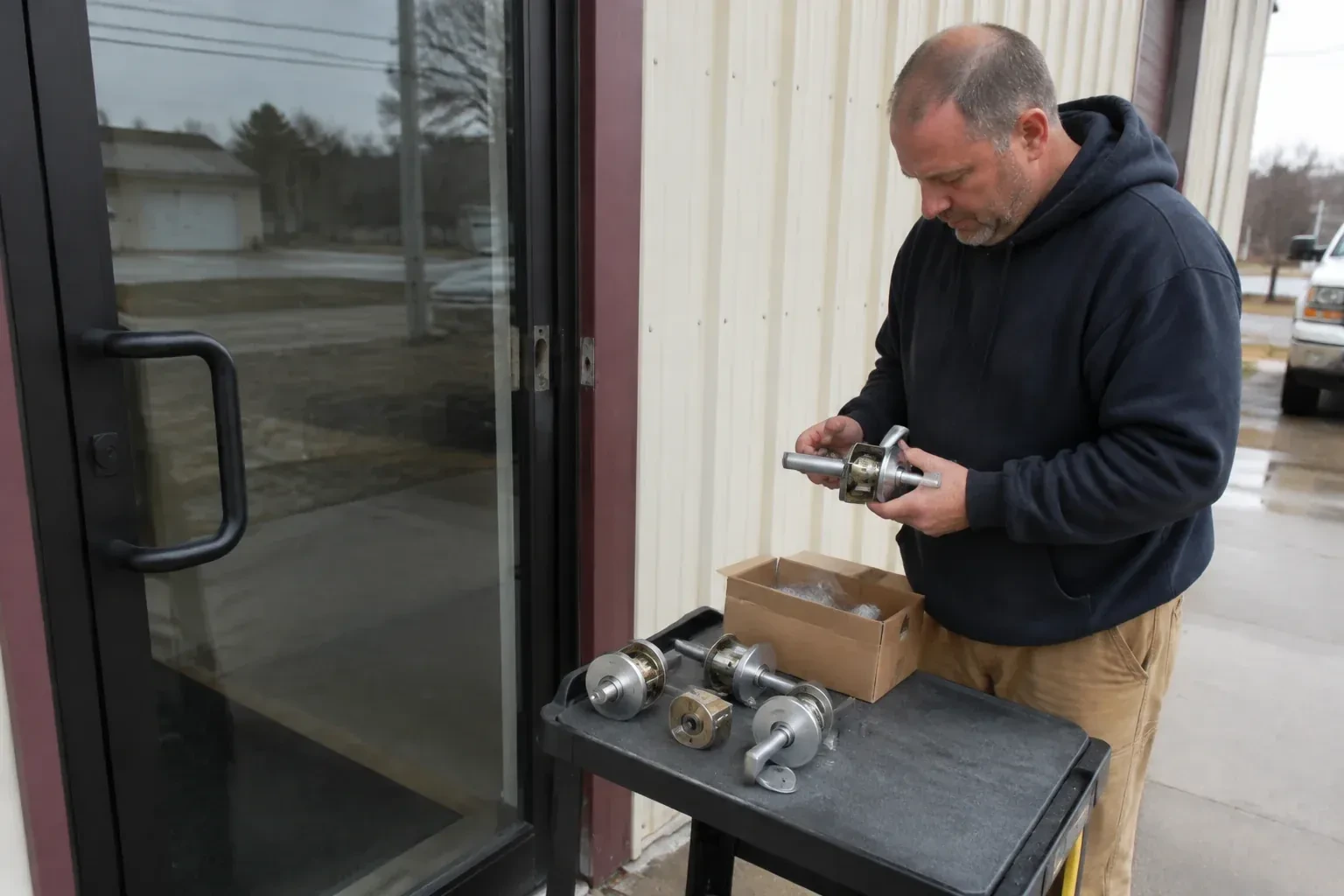
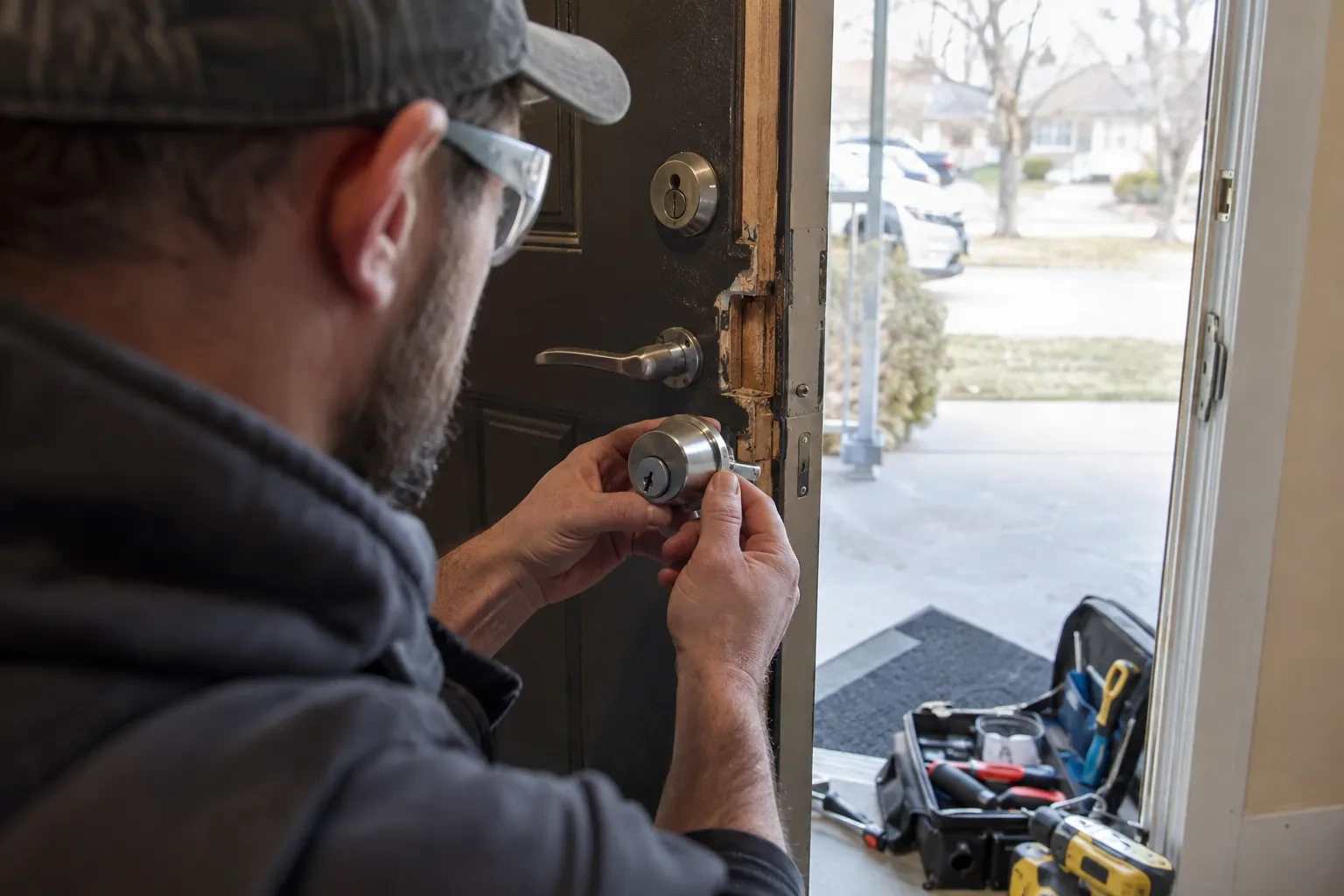
A great deal of what happens during this service is choosing the right category of hardware before a single screw comes out. Storefront glass and aluminum doors call for a narrow-stile lock or a hookbolt rather than the mortise body a solid wood or hollow-metal door would take, and a door serving a busy exit route may need listed exit hardware regardless of what was on it before. The locksmith identifies which category the opening belongs to, sources hardware built for it, installs it to the door's existing preparation, and confirms the finished lock operates correctly from both the public and the staff side.
How the visit goesThe key to the office entrance turns with almost no resistance now, and some mornings the deadbolt does not fully retract until someone jiggles the handle and tries the key again.
Commercial-Grade Lock Replacement
How the visit goes
Looking at how the opening is actually used
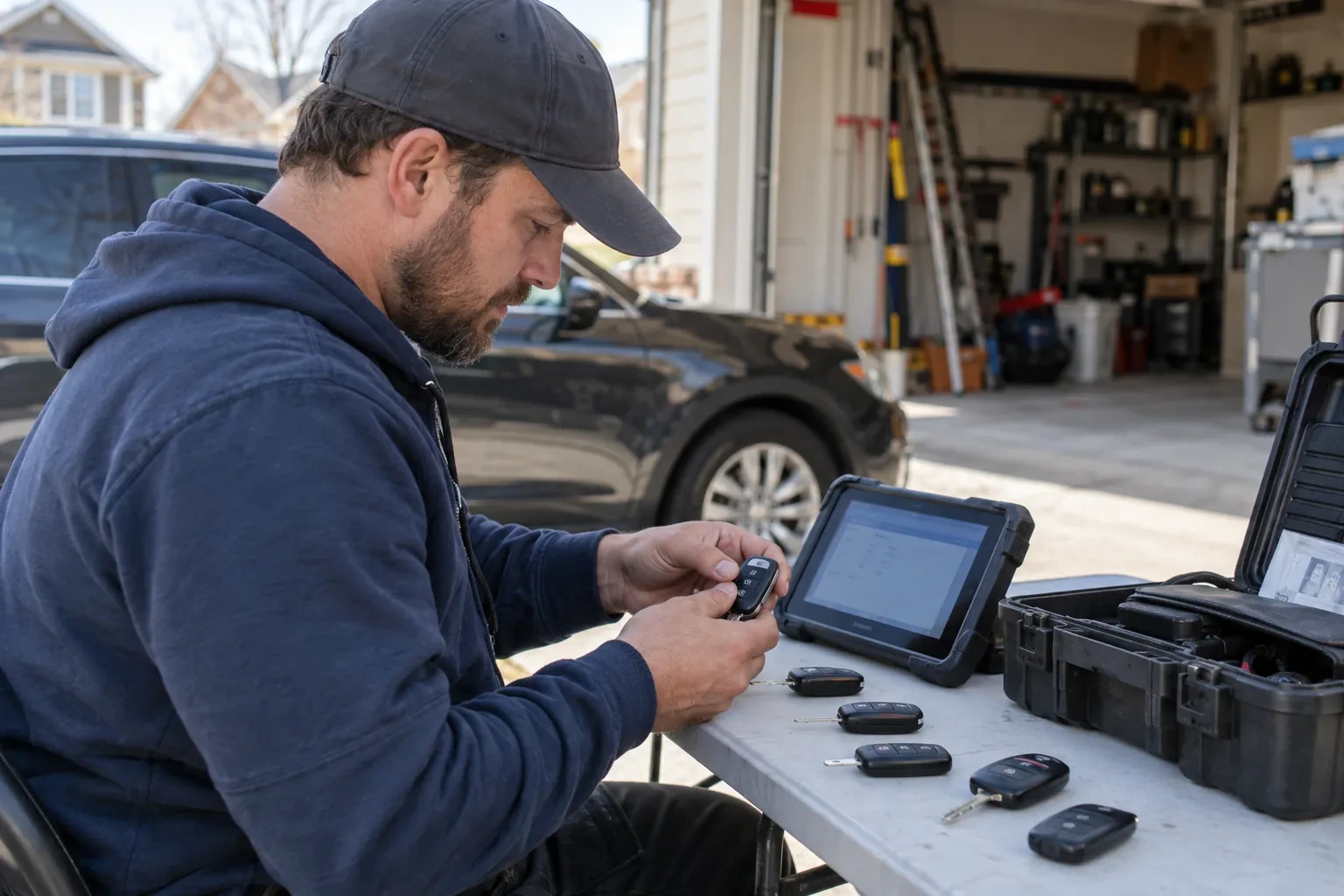
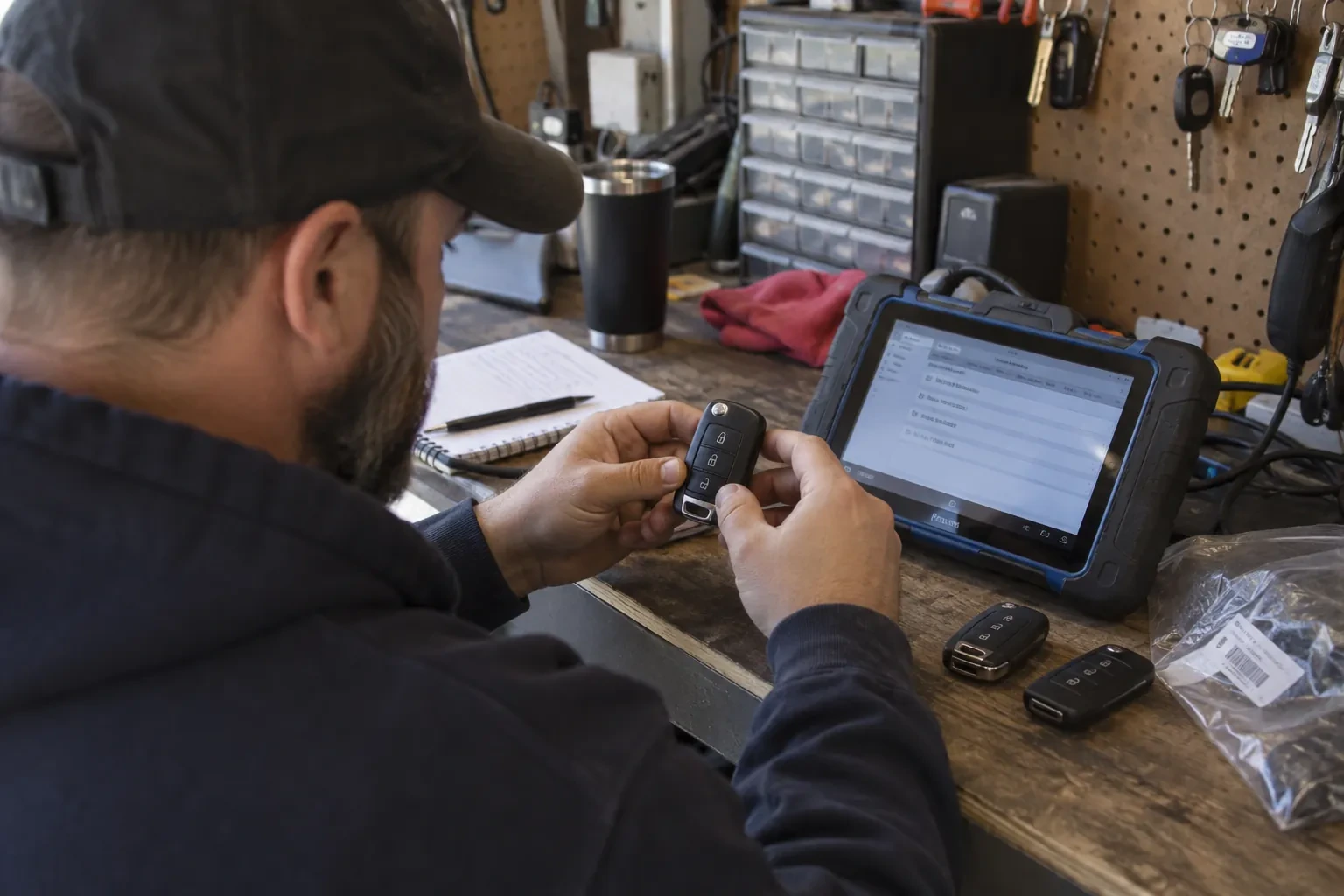
A door's traffic shapes which hardware belongs on it. A staff entrance opened a handful of times a day tolerates lighter-duty hardware than a delivery door shouldered open on every shift, and a customer-facing storefront door needs a finish and function that hold up under public use. The locksmith asks how often the door opens, who uses it, and whether it is propped, wedged or held open in daily practice, since a door habitually held open needs hardware and a closer arrangement that account for that use rather than fighting it.
Matching the cylinder to the business's key system
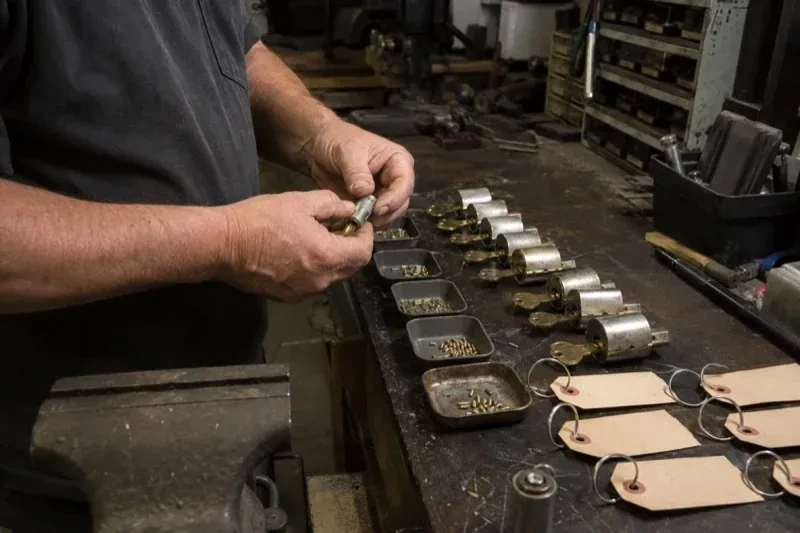
The cylinder installed is the one agreed during the assessment: keyed into an existing master or grand-master system, set up as a new interchangeable core the business can rekey itself later, or cut to a restricted keyway that limits who can order duplicate keys. Where several doors are being brought onto one system in the same visit, cylinders are combinated so a single key or a defined set of keys operates every door that is supposed to share access.
A record the next contractor can use
The business keeps a plain account of what was fitted: the hardware model and function, the keying it was cut to, how many keys were issued and to whom, and any fire or exit rating the door carries. For a property manager or facilities team, this record answers the next question about that door without another site visit, and for a business with several locations it becomes a reference for bringing other branches onto the same standard over time.
Commercial-Grade Lock Replacement
In the van
Interchangeable-core cylinder
Narrow-stile storefront lock
Listed panic or exit hardware
Key-control log and tags
Restricted keyway cylinder
Commercial-Grade Lock Replacement
What affects the quote
Interchangeable-core hardware
Interchangeable-core cylinders cost more up front than standard ones but reduce the cost of every future rekey, since the business can swap cores itself. Whether that trade-off suits you shapes which cylinder type is quoted.
Condition of the existing door and frame
A door and frame in good condition accept new hardware into the existing prep with little extra work. Damage from a break-in, a cracked frame or a previously mis-cut mortise pocket adds repair time the quote accounts for separately.
Removal of old hardware
Whether old locks, cylinders and strikes are left with the business, disposed of, or kept as spares for a wider system is a small choice that can affect the time and scope named in the quote.
What to have ready
- Is this one door, or part of a wider multi-door or multi-branch project?
- What kind of door is it: solid, hollow-metal, wood, or aluminum storefront?
- Has the door recently been forced, damaged, or shown signs of a break-in?
Commercial-Grade Lock Replacement: questions
QuestionsWhat should I do with the old hardware once it is replaced?
That is entirely your choice. Some businesses keep old hardware briefly in case a spare part is needed elsewhere on the same system, others prefer it removed from the site straightaway, particularly after a break-in where the damaged pieces are no longer wanted around. The locksmith can leave it with you or take it away, whichever you prefer.
Why would my business need panic or exit hardware?
Once a space holds enough people, or handles a high enough hazard, its exit doors need to open with a single motion and no key, which is what panic or exit hardware provides. It is not a preference; it is a function tied to how many people the space is built to hold and what is happening in it.
Can you replace just the cylinder instead of the whole lock body?
Often, yes, particularly with an interchangeable-core system where the core is designed to be swapped without removing the lock body from the door. Where the lock body itself is worn, damaged or of a grade that no longer suits the door's traffic, replacing the cylinder alone would leave the underlying problem in place, so the locksmith says which option actually fits the situation found.
Related services
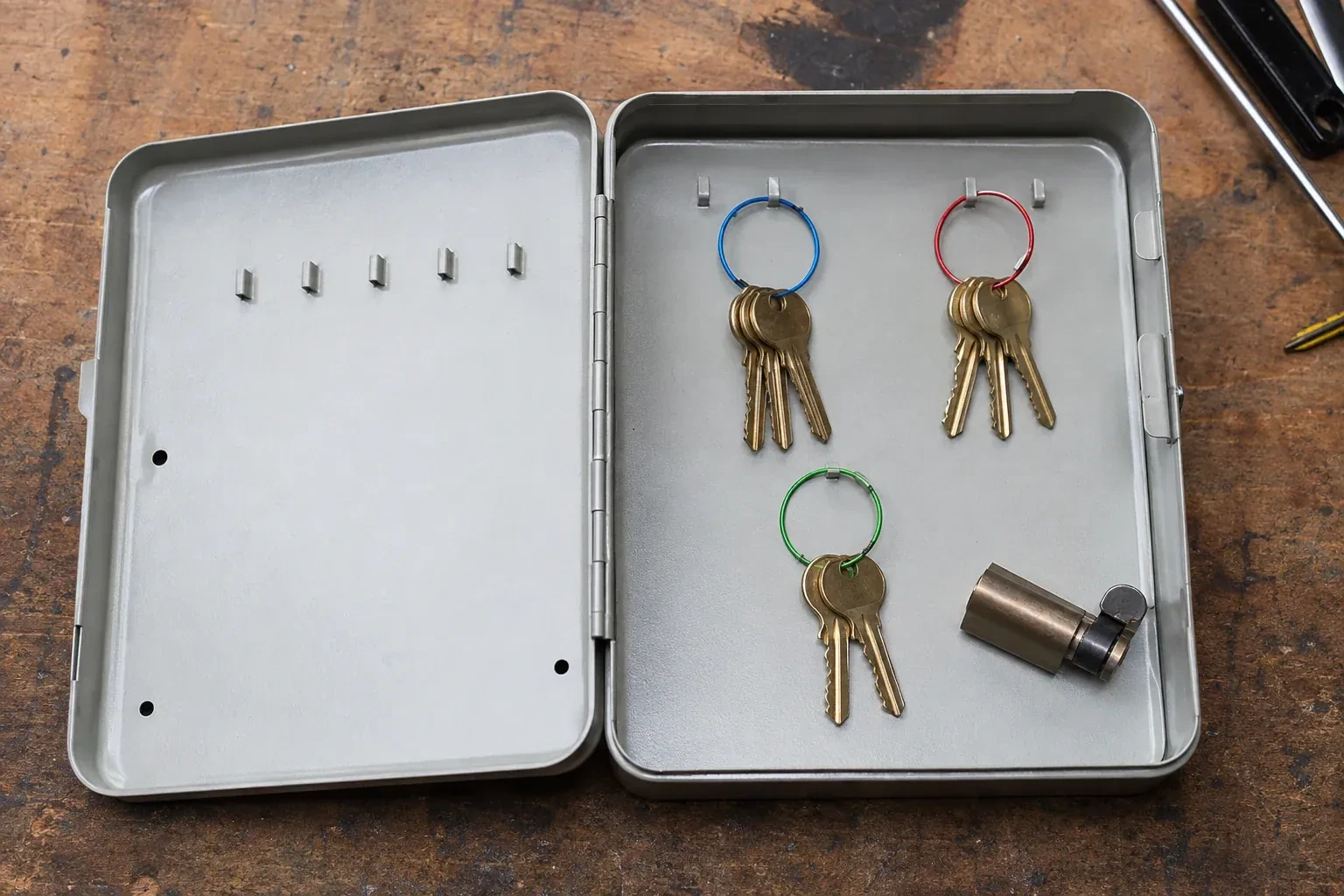
- Master Key System DesignThe office key ring has become the org chart.
- Access Control InstallationThe keypad on the side door has started sticking on cold mornings, codes get shared instead of reset, and half the staff still remember a code you meant to retire two hires ago.
- Panic & Exit HardwareThe fire inspector's note is blunt: the banquet hall's second exit still turns on a deadbolt, and the crowd it is rated to hold needs a door that opens under one motion, no key involved.