Locksmith in Victoria Village, OntarioLocked out in Victoria Village?Let's get you inside.
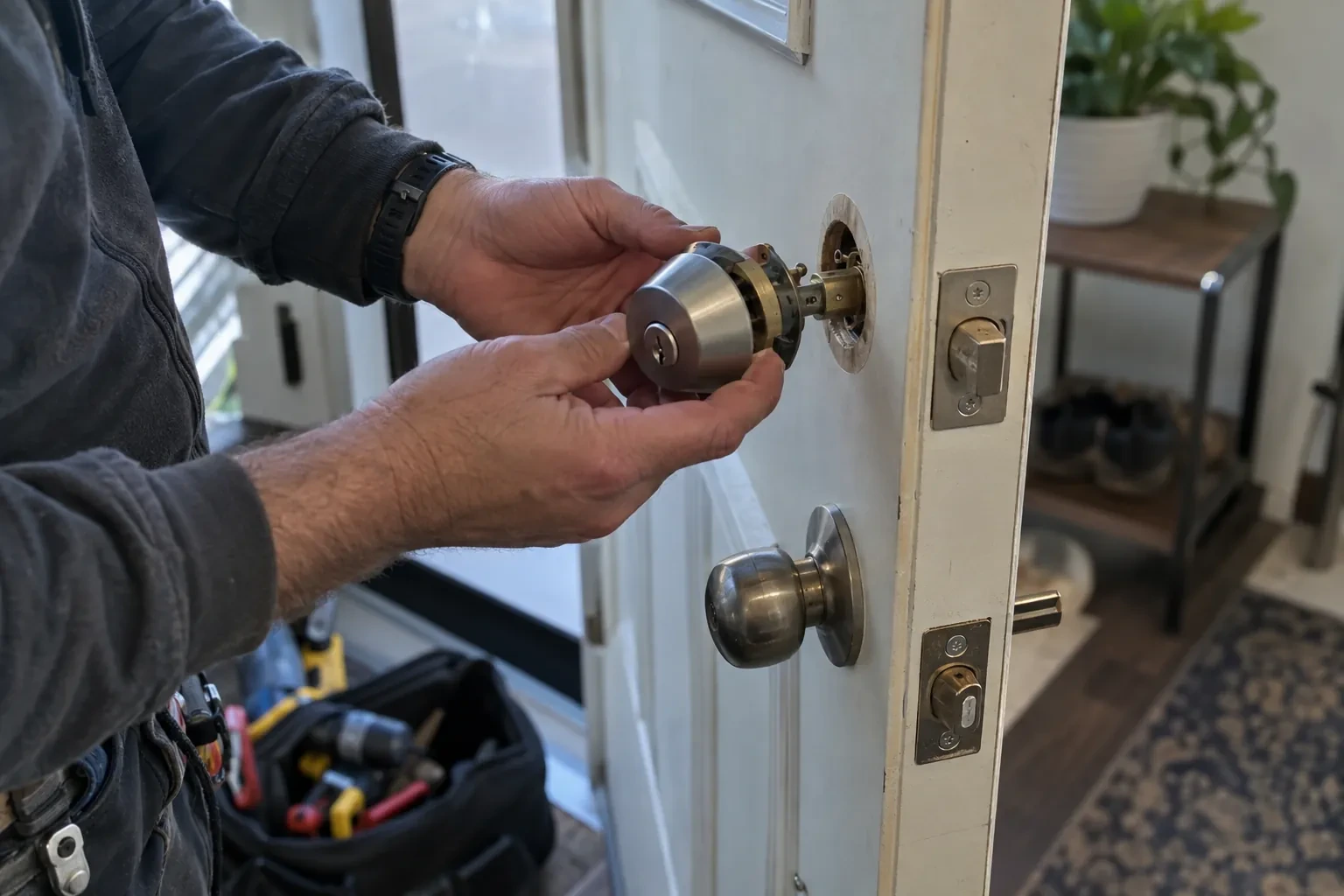
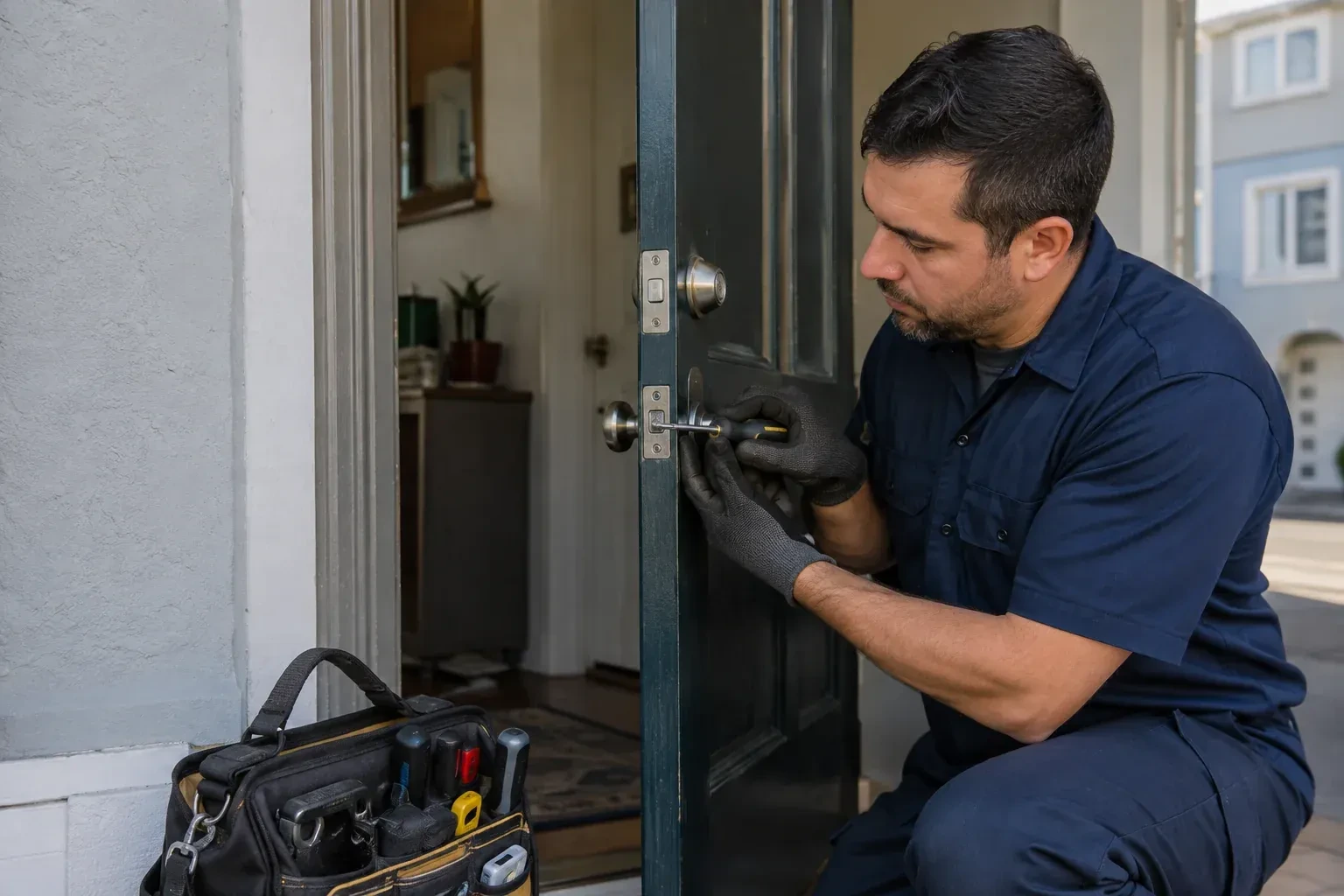
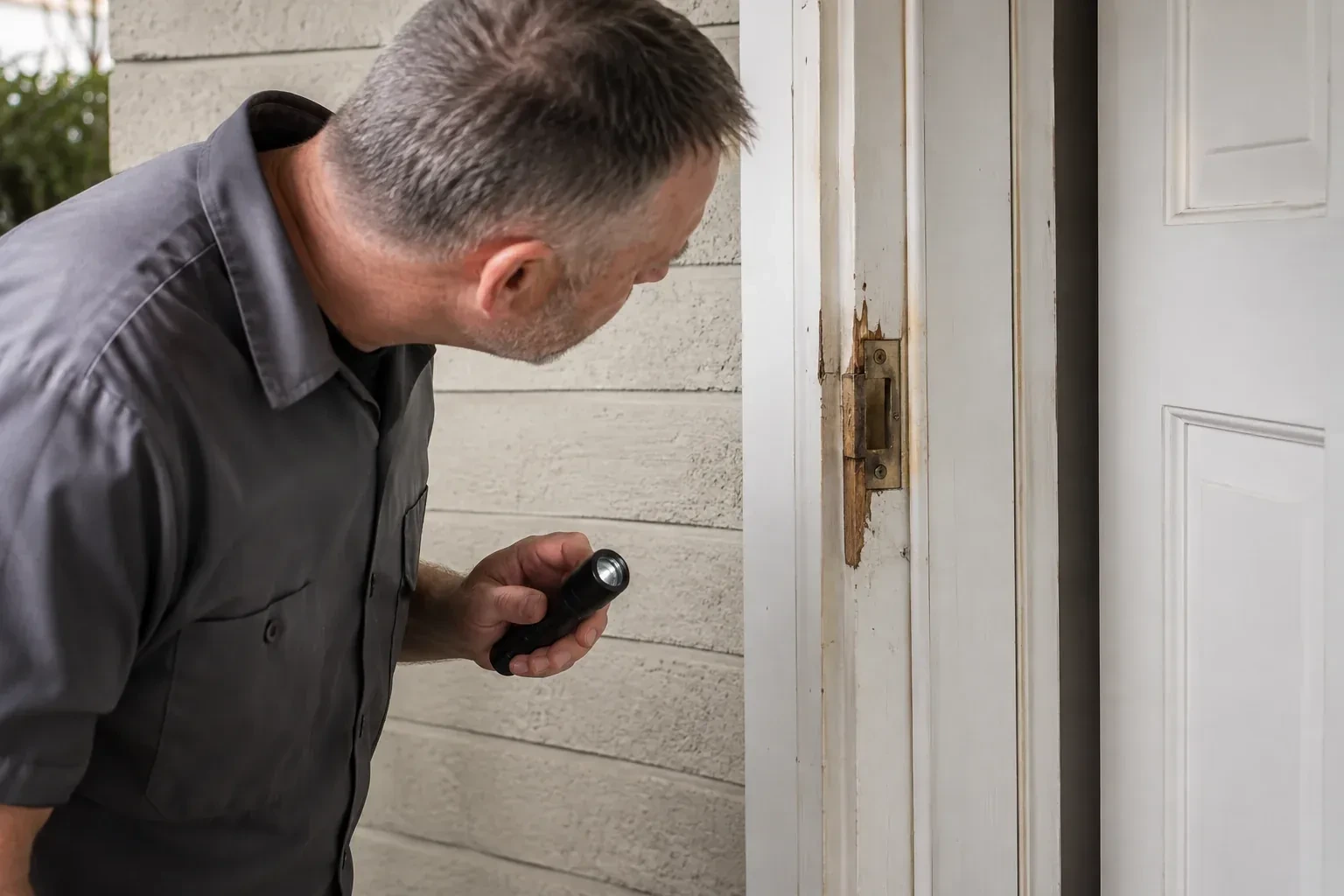
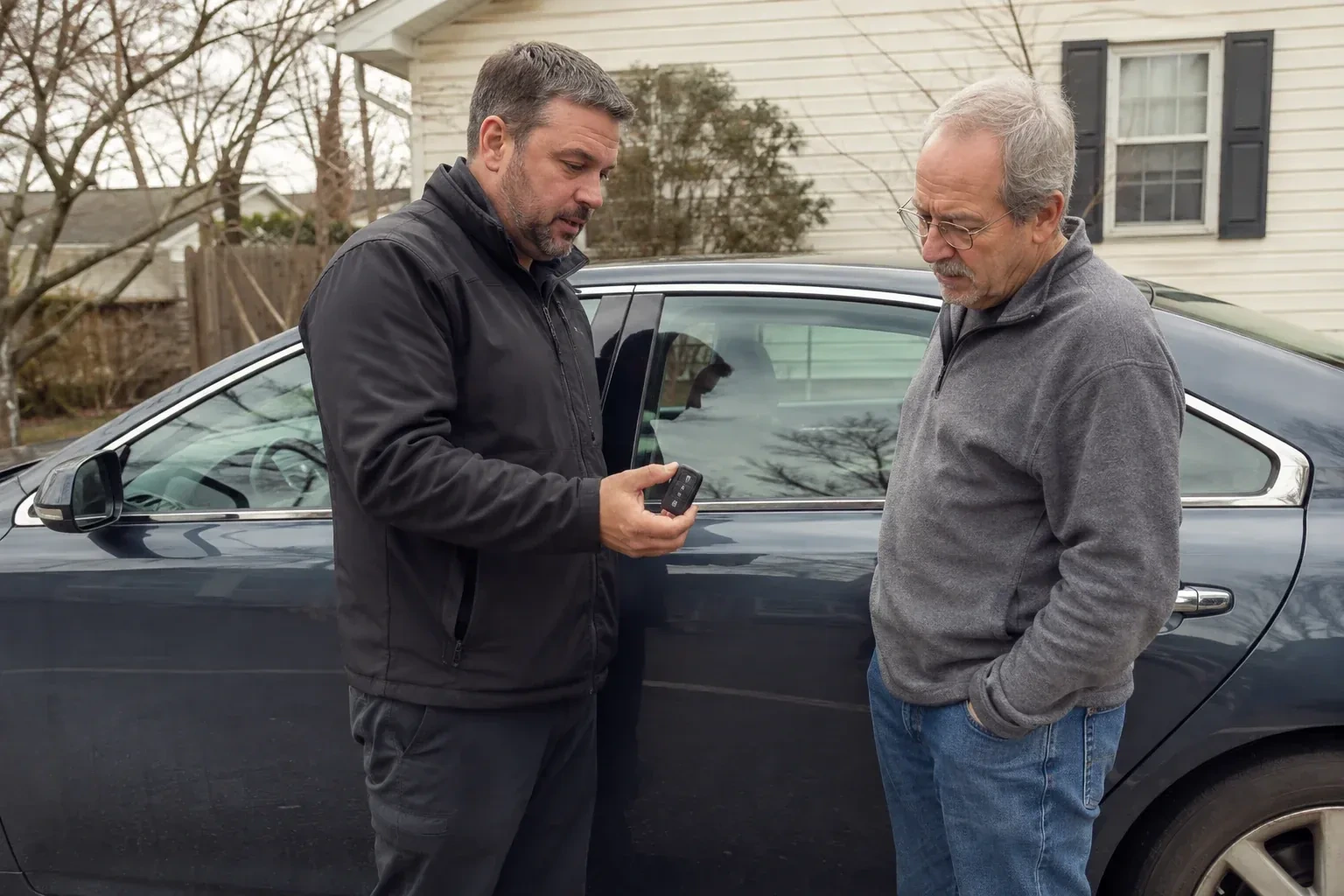
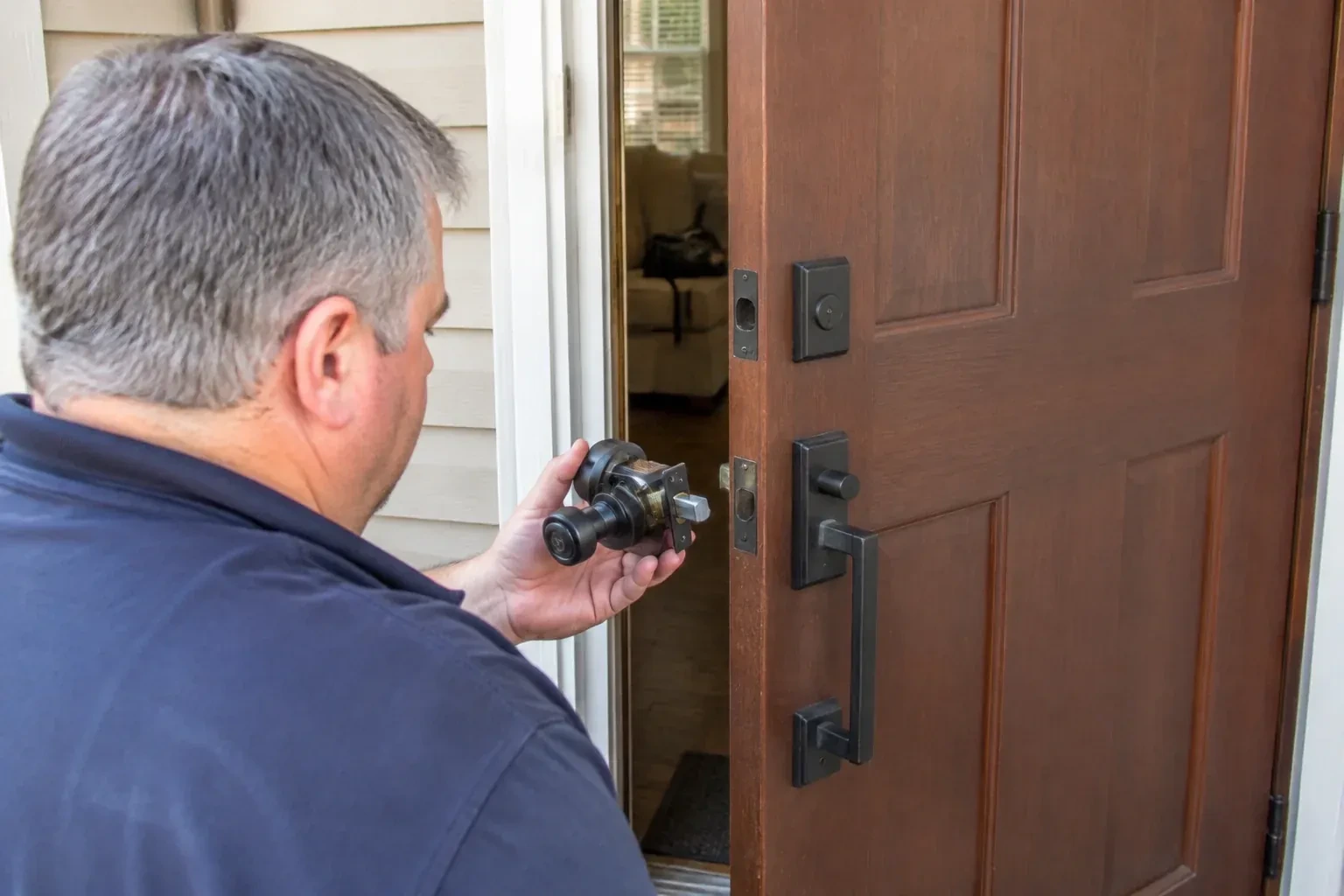
It happens to careful people: the door swings shut, the key is on the kitchen table, and the evening stops. Our locksmith comes to Victoria Village, confirms the home or shop is yours, opens the door without wrecking the lock, and stays long enough to make sure the key you have still works afterwards.
It happens to careful people: the door swings shut, the key is on the kitchen table, and the evening stops. Our locksmith comes to Victoria Village, confirms the home or shop is yours, opens the door without wrecking the lock, and stays long enough to make sure the key you have still works afterwards.
We look after the door, not just the lock.
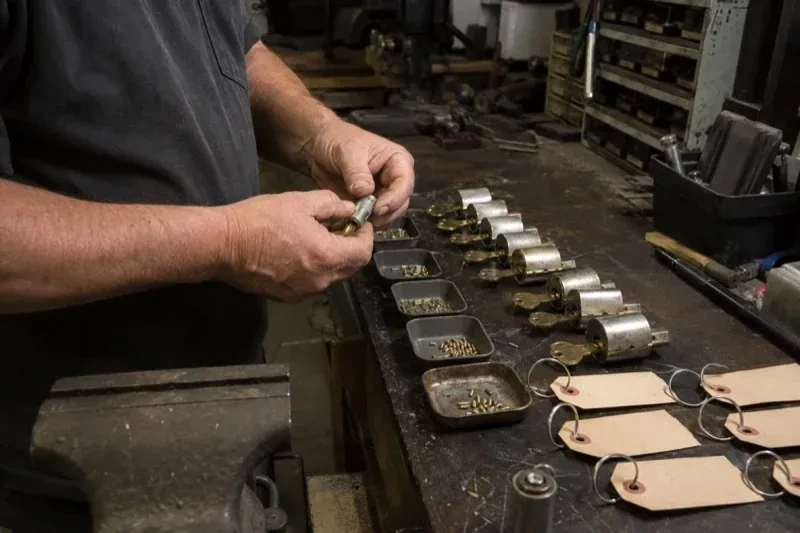
A safe in Victoria Village is opened with patience rather than force. The locksmith identifies the make and mechanism, tries the non-destructive routes first, and only cuts when nothing else will work, in a spot that can be repaired so the safe keeps working. Afterwards he resets the combination or replaces the lock and shows you how to keep it turning.
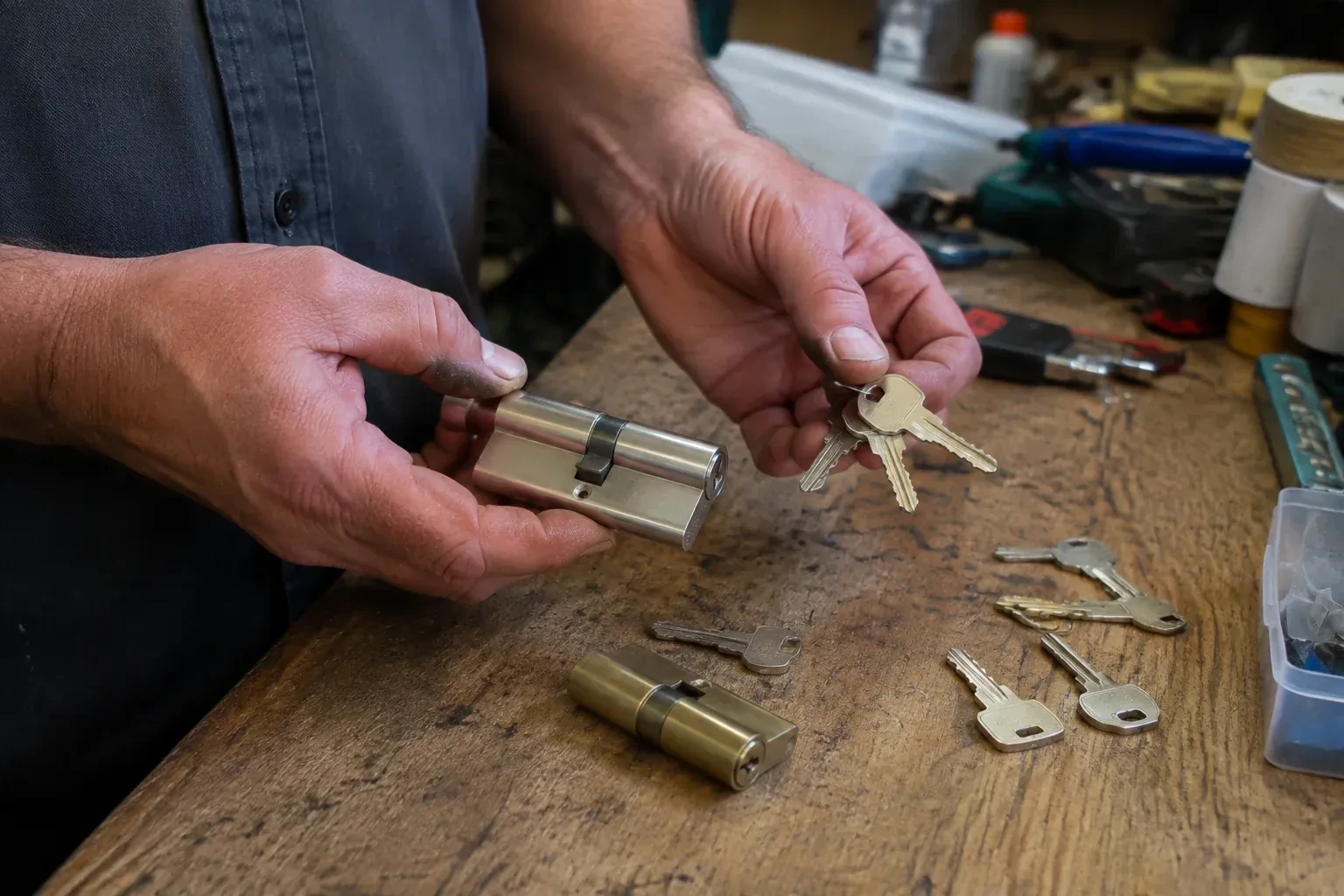
A key that snaps in the lock is a small crisis that happens to careful people all over Victoria Village. We extract the broken piece without harming the pins, cut a new key and check the cylinder for whatever caused the break in the first place. Often it is a worn key or a misaligned strike, and sorting that out means the new key lasts.
11years in business
24/7open every day
Explained before any tool comes out. You will hear what we found, what we suggest and why, before anything is changed. If you want a minute to think, take it.
Choices, not a single answer. Most problems have more than one fix. We lay out the practical options and the trade-offs, then let you choose the one that fits your home and budget.
A tidy doorstep. Shavings swept, packaging taken away, the old hardware offered to you or disposed of. The only sign we were there is a lock that works.
The services below cover most of what a door in Victoria Village can throw at you. Some are urgent, like a lockout or a snapped key. Others are planned, like upgrading to a high-security cylinder or setting up a master key system for a small building. Each one is explained in plain terms so you know what to expect.
About 58% of homes in Toronto were built in 1980 or earlier, according to the 2021 Census.
Older homes
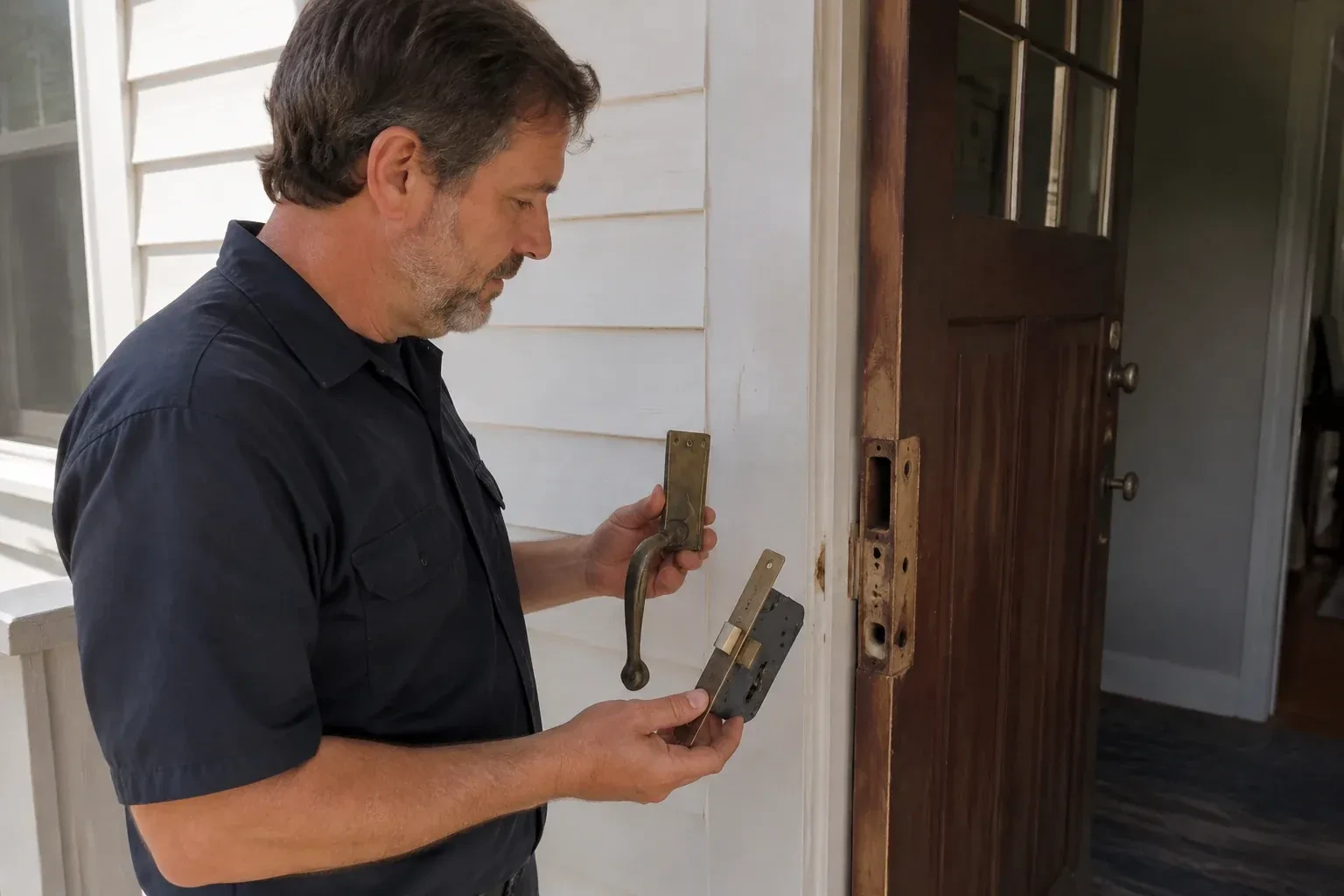
Decades of seasons move a frame, and an older house often has a front door that locks easily in summer and fights in winter. Setting the strike with the seasons in mind, and choosing a lubricant that stays fluid in the cold, keeps it working year round.
Single-detached houses make up about 23% of homes in Toronto (2021 Census).
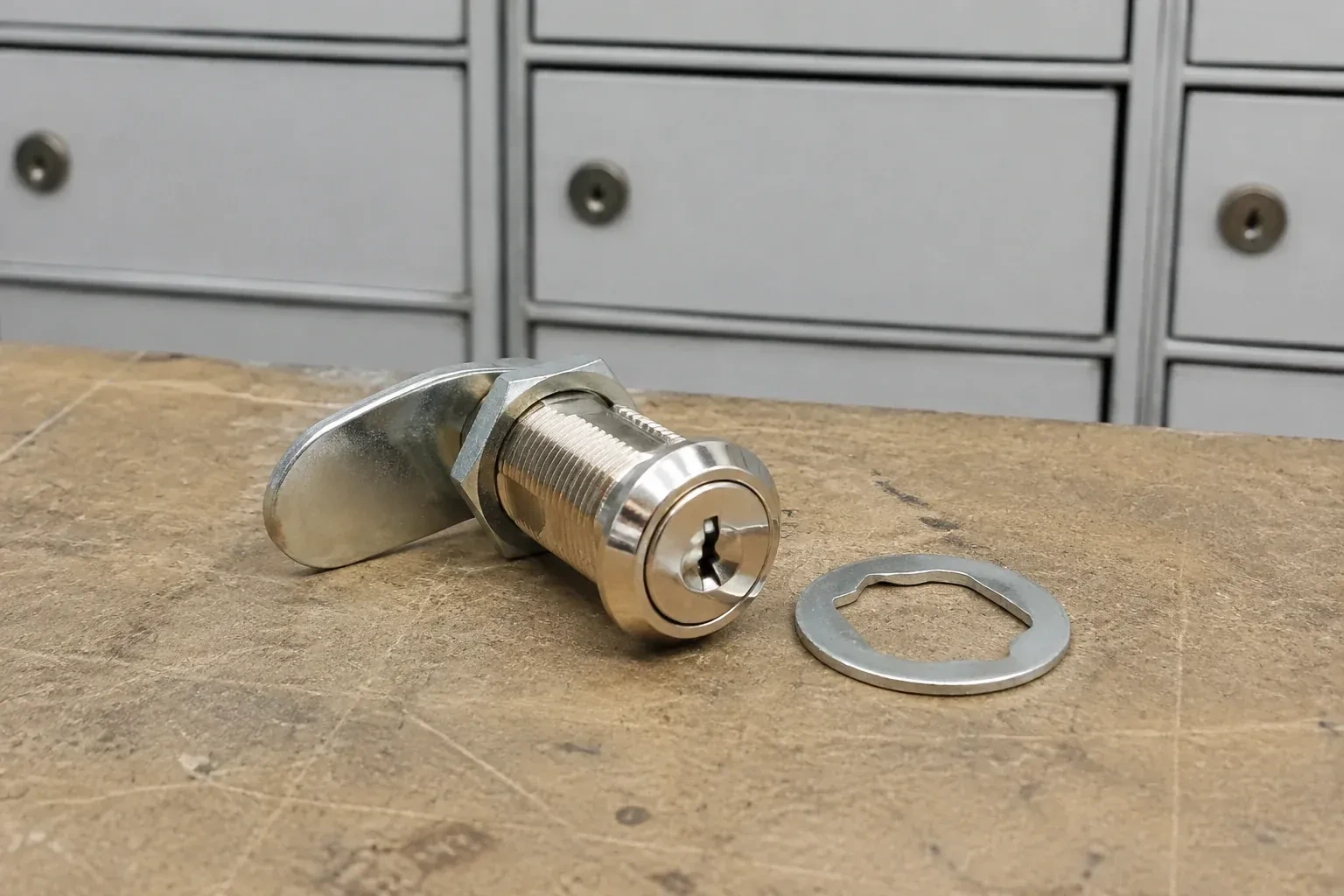
Where housing is mostly apartments and condos, mailbox locks are a regular call. A worn or lost mailbox key is a small job that a locksmith handles alongside the suite door, and the new lock comes with fresh keys cut on the spot.
You were locking up on the way out when the key broke in the lock. Now the door is unlocked, a piece of key is jammed in the cylinder, and you were already running late for work.
Someone smashed the little window beside the door, reached in and turned the thumb-turn. The lock itself is fine, but there is glass on the mat, a hole in the sidelight and a deadbolt anyone can reach.
Your roommate moved out last weekend. Rent is settled, the room is empty, and the key is still on their ring. You trust them, but the lock on your front door should answer to the people who actually live here.
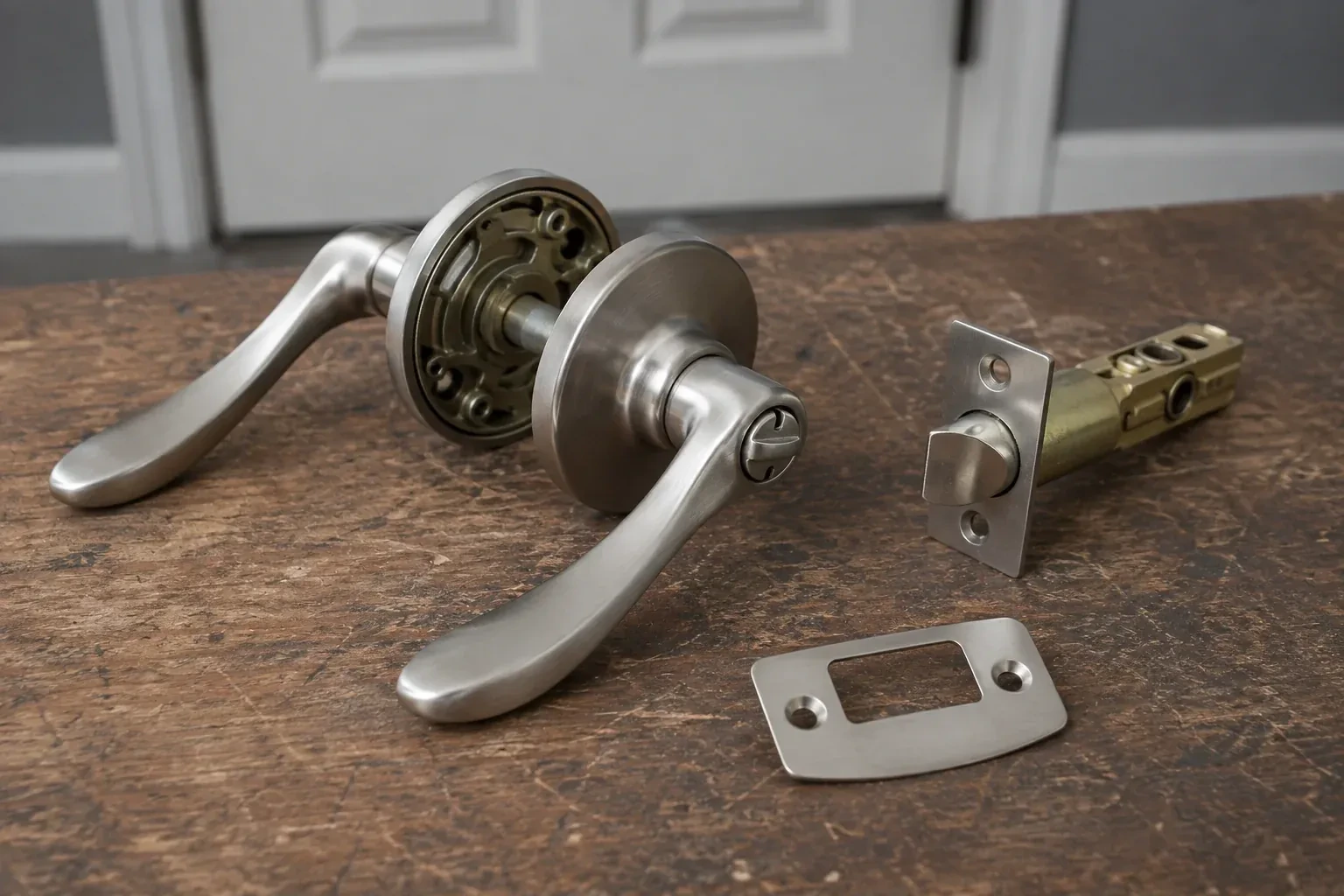
The knob flops loose on its spindle and never springs back to level. When you turn it the latch pulls in, but you have to push the knob back yourself, and lately the latch has started staying inside the door instead of catching.
You've just moved in, and the mailbox compartment in the lobby came with a single key the previous owner mailed back separately, or never handed over at all. As far as anyone can tell, the lock still answers to a stranger's key.
You have just signed the lease on a unit the previous tenant ran for a decade. The landlord handed over three keys, the back door wears a padlock nobody can open, and nobody can say how many front-door keys are still out there.
Your toddler is buckled in the back seat, the doors locked when you shut yours, and your keys are on the front seat beside your phone. It is hot, the child is starting to fuss, and you need help this minute, not a discussion.
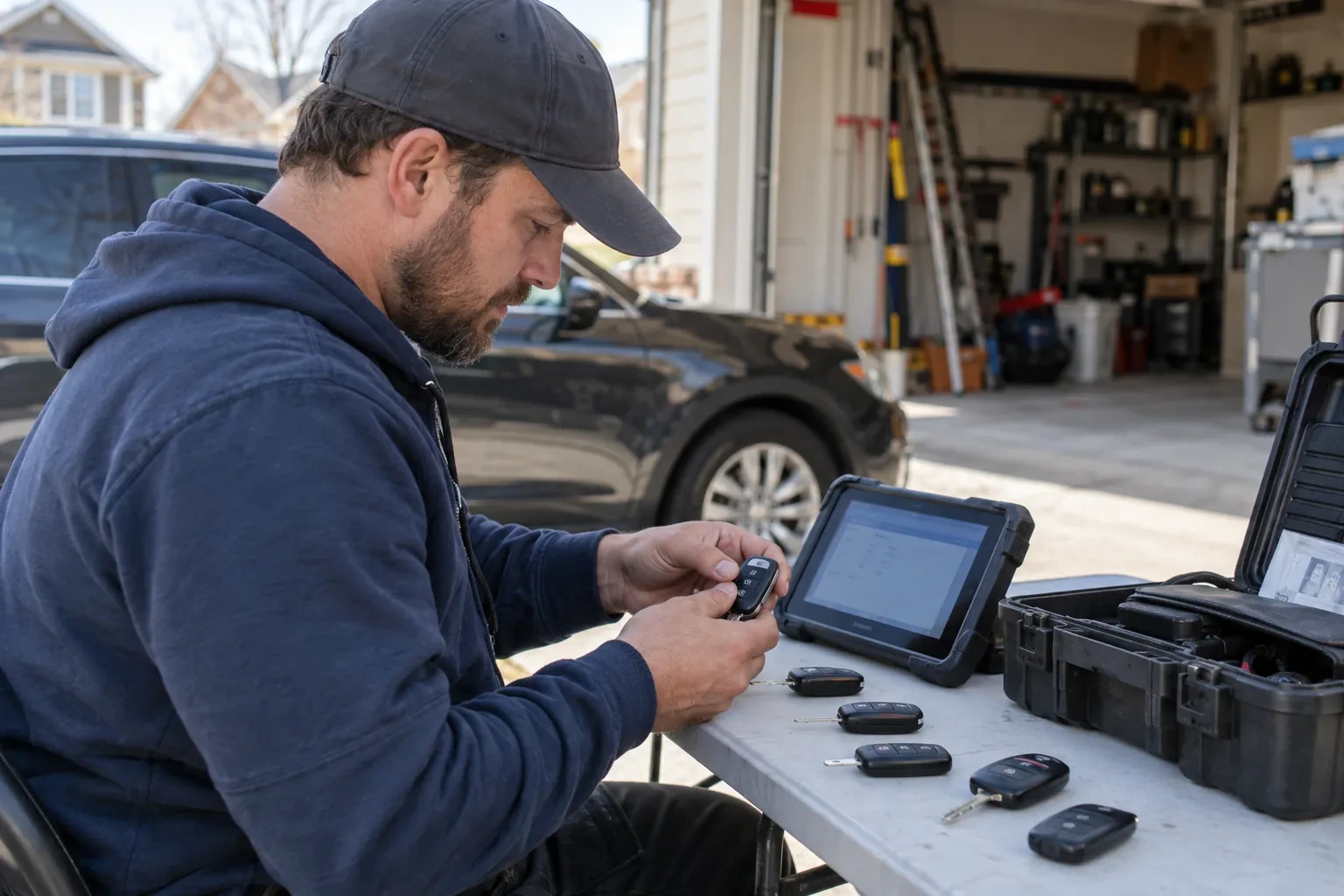
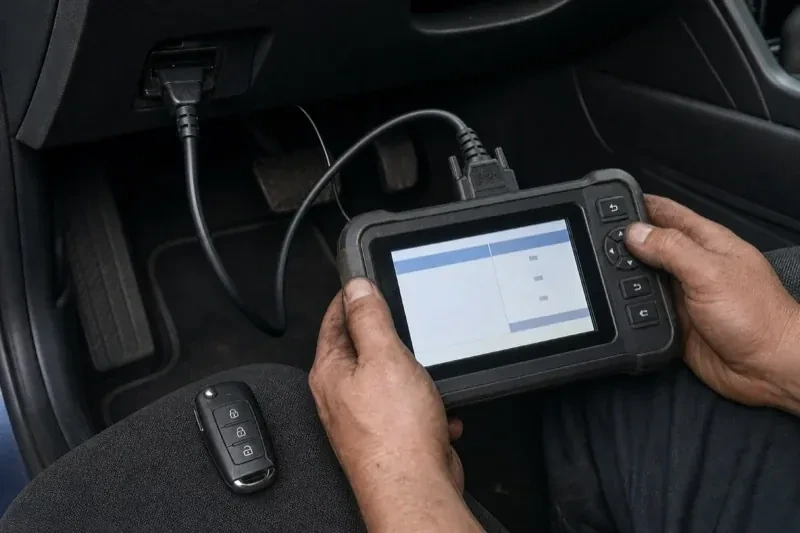
A new driver has joined the household, and the one existing fob is the only key anyone has ever had cut for this vehicle. Handing that single fob over for the day means someone else is left without a way into their own car.
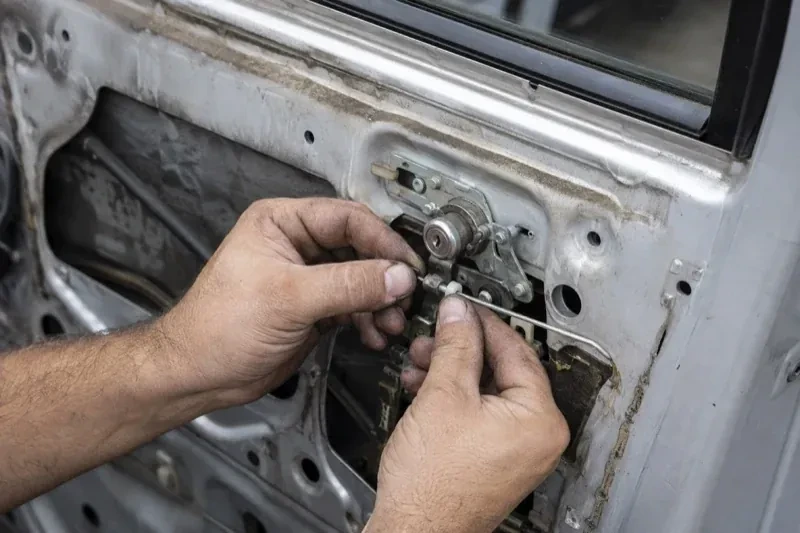
Since the last heavy rain, the front passenger door has needed two or three tries before the key catches, and moisture seems to sit along the seal right where the lock is mounted. Every other door still opens on the first attempt.
Rather than one purchase, think of high security as a run of decisions. Which doors, which cylinders, how many keys, who may order more, whether a safe belongs inside. We walk those decisions with you and write the answers down.
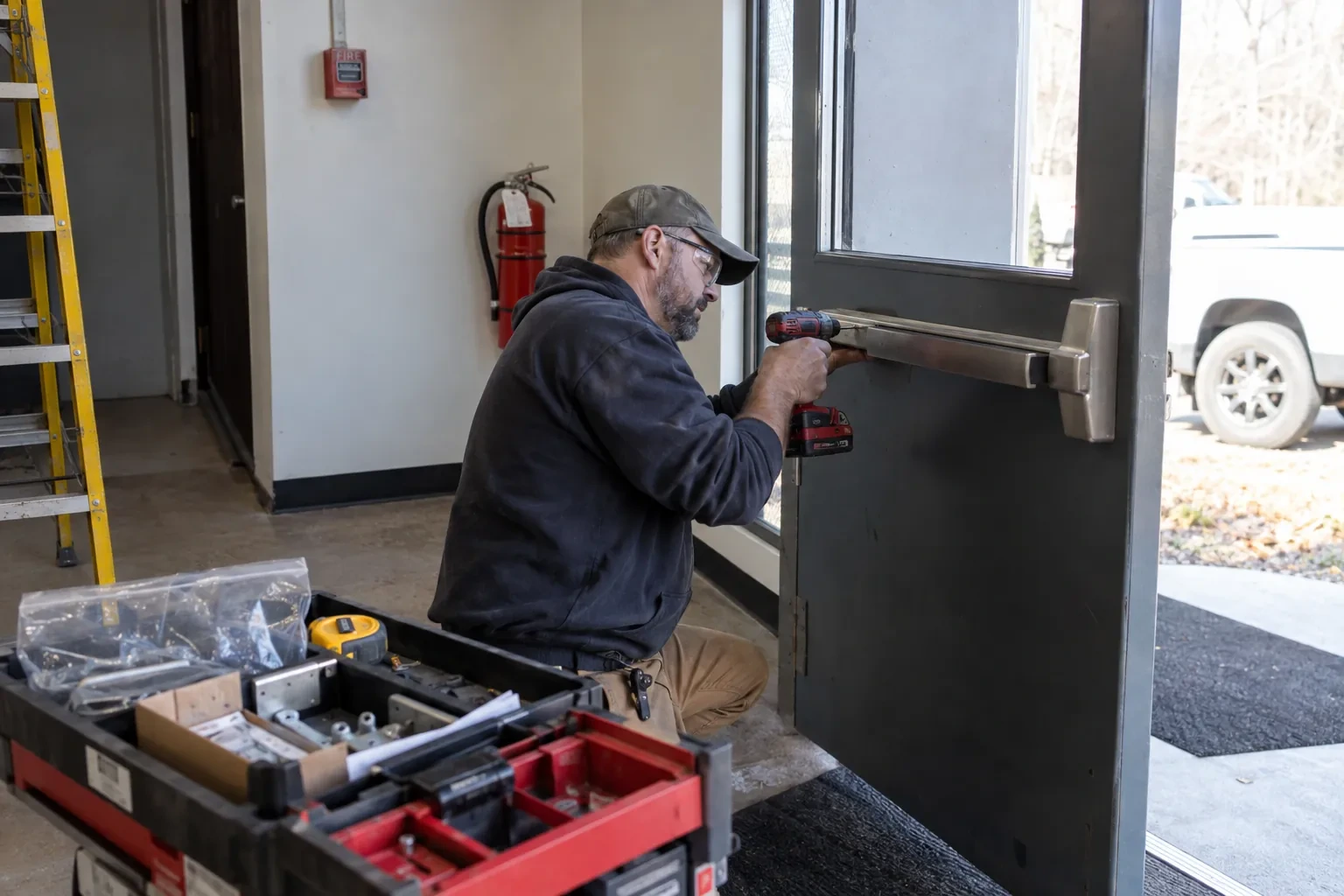
Doors with closers, exit devices, electric strikes and card readers have more parts to fail than a house door. When a commercial door stops behaving, we look at the whole assembly, find the part that is wrong and fix it without disturbing the rest.
WhyKeys are the part of the job people expect to be impossible, and they rarely are.
You've just moved in, and the mailbox compartment in the lobby came with a single key the previous owner mailed back separately, or never handed over at all.
WhyMailbox lock replacement swaps the small lock inside a mailbox door or a single compartment of a building's mail panel for a new one that matches the same opening.
You have just signed the lease on a unit the previous tenant ran for a decade.
WhyLosing a fob raises a question a spare doesn't answer on its own: whoever has the missing one can, in principle, still use it.
Since the last heavy rain, the front passenger door has needed two or three tries before the key catches, and moisture seems to sit along the seal right where the lock is mounted.
Describe the property, the hardware and what has changed, and the visit starts from what you have seen.
1
2
3
01
Confirming it is your door
Before touching the lock we ask for identification or another way to show you live or work there. It protects you as much as anyone.
02
The gentlest opening that works
Most doors can be picked or bypassed with no damage. We start there and only move to a firmer method if the lock leaves no other choice, explaining as we go.
03
A working lock before we go
Once you are inside we check the lock still turns properly and that you have a key that works. If the lock was the reason you were stuck, we say so.
It depends on how the piece is sitting. A protruding fragment in a plug at rest can be out in moments. A deep piece behind lifted pins takes patient work with hooks and spirals. A glued or corroded fragment may mean removing the cylinder and freeing it from behind. Cutting and testing the new key, and any door adjustment, add their own time. The locksmith gives a sense of it after the first look.
What is a security strike box and why fit one?
A security strike is a heavier plate with a formed steel pocket that wraps around the bolt instead of leaving it in bare wood. It is set into the jamb and fixed with long screws, typically three inches, that pass through the jamb and the shim space into the framing, with the longest screws placed nearest the door stop where the bolt bears. Manufacturers specify the pocket depth so the bolt extends fully. The result spreads a kick across the wall stud rather than two small screws.
How is rekeying different from replacing the lock?
Rekeying keeps your existing deadbolt or handle set and gives it a new key, commonly by changing the pins inside, though some cylinders reset a different way. Replacing removes the whole lock or cylinder and fits new hardware. Rekeying suits locks that are in good condition and simply need a fresh key. Replacement is the better call for hardware that is worn or damaged, built to a low grade, on a keyway the other doors cannot share, or due for a change of style or a keypad.
How should I look after the lock once it is serviced?
A drop of the right lock oil into the latch and bolt once a year is plenty. If the lock has a pin-tumbler cylinder, use whatever lubricant that cylinder's maker specifies, since some take a dry graphite or PTFE product and others a specified liquid one. Try the latch and deadbolt each spring and fall; if the bolt starts to scrape, the strike wants a small adjustment before anything is strained. Keep bit keys out of a pocket where they bend.
What if my mailbox key snapped off inside the lock?
The broken piece is removed first, using extraction tools that grip and draw it out rather than push it further in, and then the lock is opened the usual way. A key rarely snaps in a lock that is otherwise healthy, so the old cylinder is checked afterward, and if wear caused the break, replacement rather than a repeated repair is the sensible next step.
What is the difference between rekeying a business and replacing its locks?
Rekeying keeps every lock on the door and changes only the pins inside the cylinder, so a new key works and the old ones stop. Replacing swaps the hardware itself. Commercial cylinders are made to be repinned many times, so rekeying suits any lock in sound condition and leaves the levers, trim and door untouched. Replacement is chosen door by door for cylinders that are worn, corroded or too light for what they protect.
The alarm went off. Is that a problem?
It is expected. Opening a door without the fob or key wakes most factory alarms, and quieting them is part of finishing the job: a turn of the key in the door or ignition, or a press of the fob once the car has power, usually does it. An aftermarket alarm is reset from its own valet switch. The locksmith stays until the car is quiet and every lock has been cycled.
How do I stop all my fobs from wearing out around the same time?
Replacing coin-cell batteries as soon as a fob's range starts to feel shorter, rather than waiting for it to go completely dark, is the simplest habit. Keeping fobs off a keyring crowded with heavy metal keys reduces wear on the case and buttons as well. Since fobs from the same purchase batch often age together, a fading one is worth treating as an early warning for the others.
Does a repaired vehicle lock still use my original key?
Wherever possible, yes. The point of repairing rather than replacing a lock outright is to keep it working with the key and fob you already carry, so the whole vehicle continues to answer to one set rather than needing a second key for one door.
Request a visit
A safe in Victoria Village is opened with patience rather than force. The locksmith identifies the make and mechanism, tries the non-destructive routes first, and only cuts when nothing else will work, in a spot that can be repaired so the safe keeps working. Afterwards he resets the combination or replaces the lock and shows you how to keep it turning.