High security · Toronto
High Security Locks
Your shop has had four employees leave in two years and each one had a key.
In plain words
Think of the upgrade as four layers working together. The cylinder resists picking, bumping and drilling. The deadbolt resists sawing and kicking with a long, hardened bolt. The strike and screws keep the frame from splitting when the door is struck. And the key control stops copies being made without your say-so. A locksmith assesses your door for each layer and tells you where it is weak, because a strong cylinder screwed into a soft frame gains you little. Most homes end up with a graded deadbolt and a patented cylinder; businesses often step up to laboratory-rated cylinders and heavier lock bodies.
How the visit goesThe restricted keys you bought years ago are no longer restricted; the locksmith mentioned the patent has run out and blanks are sold openly. Your key control quietly stopped being control.
High Security Locks
How the visit goes
Who holds keys and who should
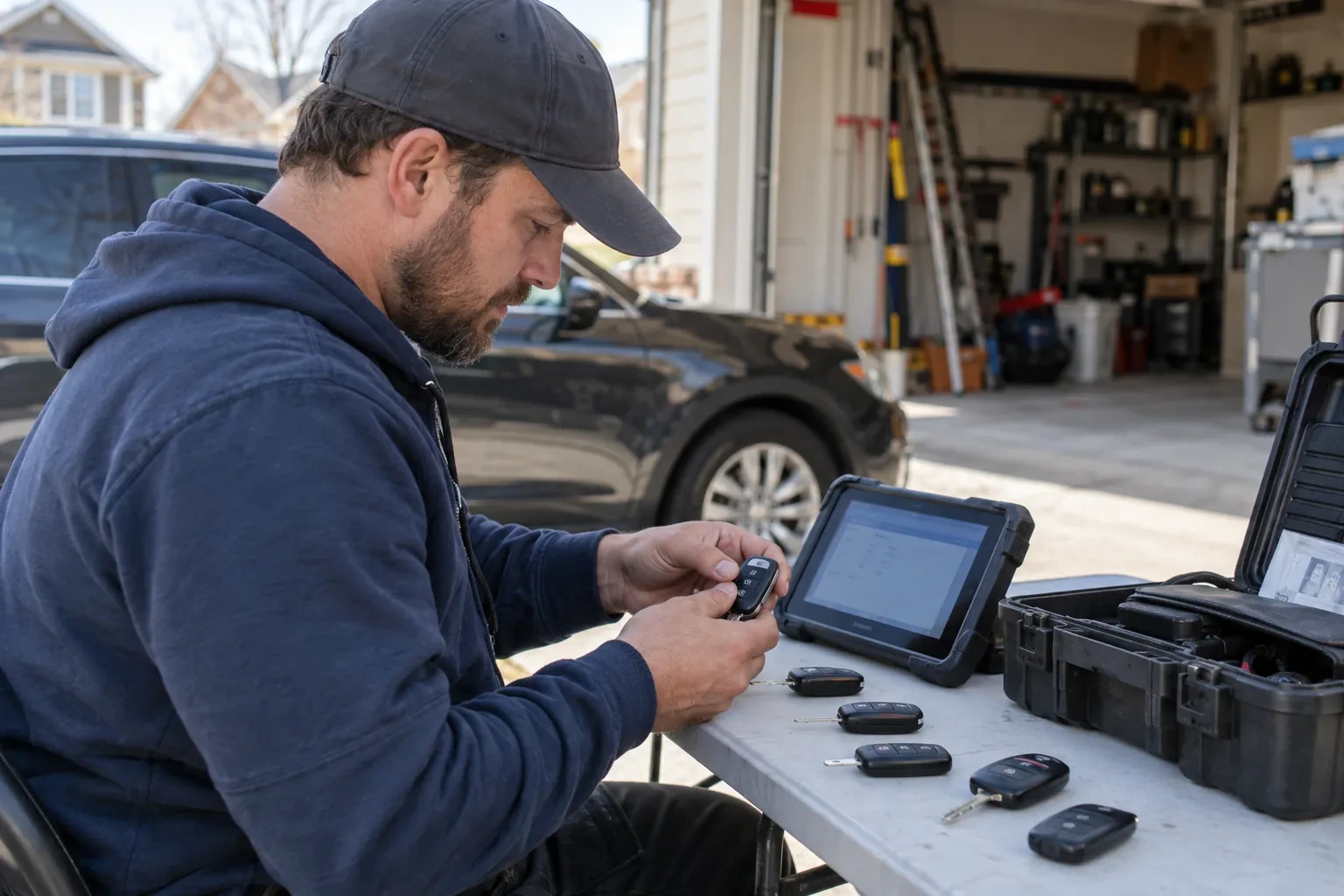
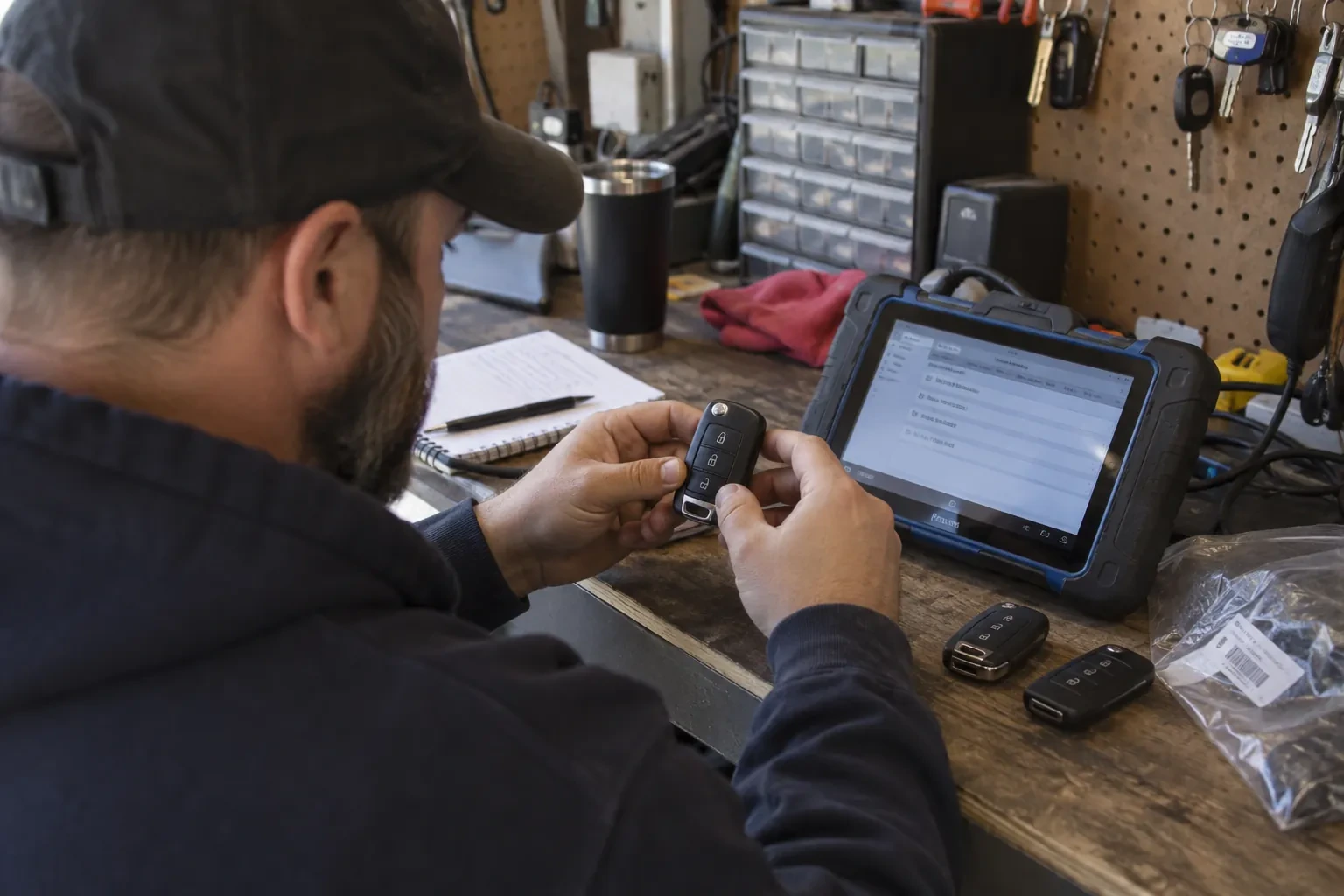
For a business or a rental, the locksmith asks to see the key list, or helps you start one. Which keys exist, who carries them, which doors they open, and what happens when someone leaves. This is where the case for a patented or restricted key system becomes clear, because the system replaces guesswork with a register: every key numbered, every order authorised by a named person, and no blanks available outside the locksmith who manages it. The locksmith also asks how many people need to reach each area so the keying plan reflects the way the building actually runs.
Testing the whole assembly
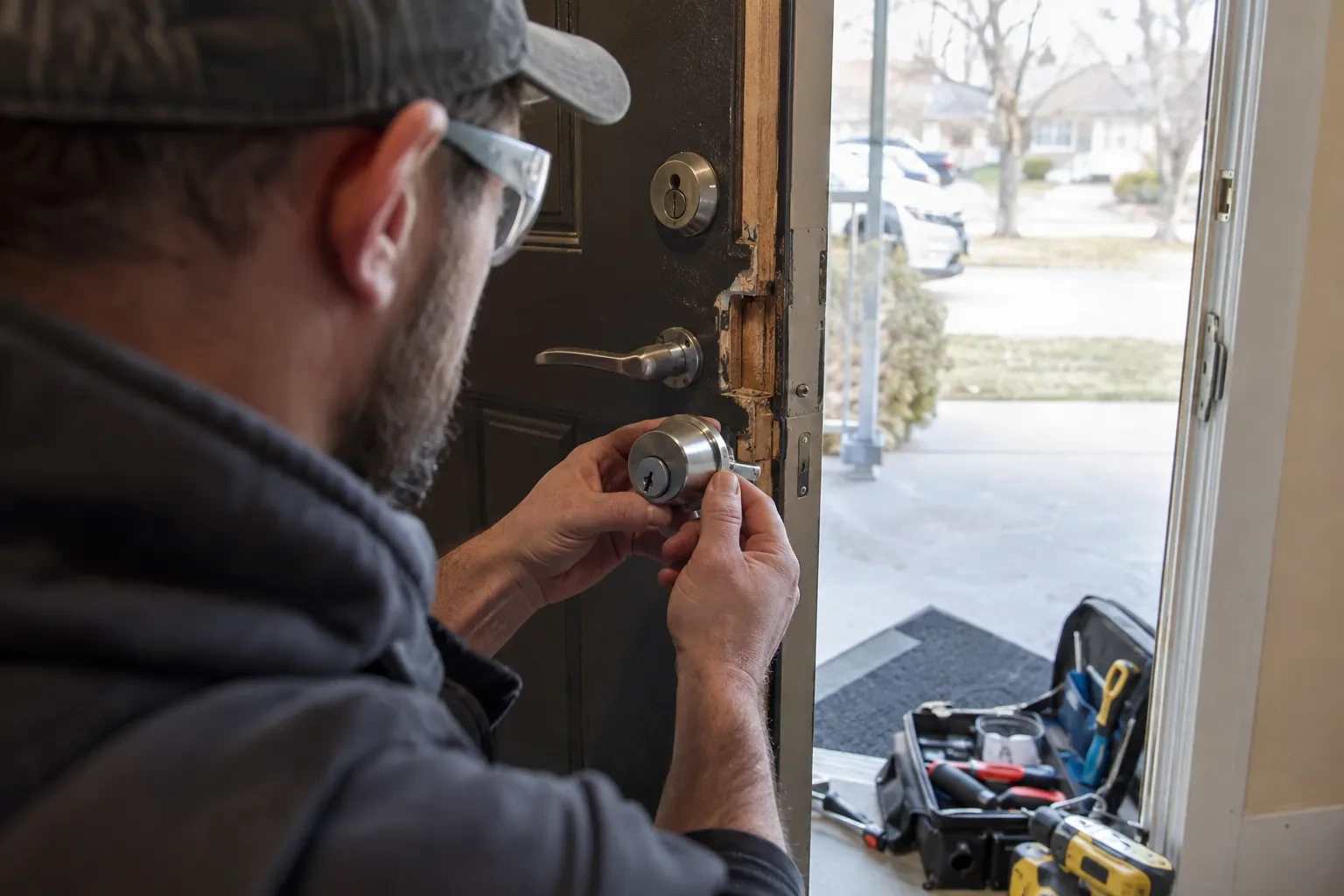
The finish is a methodical test. Every key is cycled in every lock from both sides, with the door open and then closed and latched. The bolt is watched entering the strike pocket to confirm it throws fully and does not drag. The door is pushed and pulled while locked to feel for play at the strike or hinges. Cylinders receive a dry lubricant approved for their mechanism. Then the locksmith walks you through the operation, the key control documents and the record of hardware fitted, so you know both how to use the door and how to order the next key.
A door that shuts like a vault door, quietly
With a heavy bolt, a deep strike and long screws in the frame, the door feels different when you lock it: the bolt travels its full length and seats with a solid, quiet stop. That feel is your ongoing check. If the bolt ever starts to drag or you need to lift the door to lock it, the door or hinges have moved with the seasons and a small adjustment restores it. Wood doors swell in humid summers and shrink in dry winters; a glance at the hinge screws and the strike each spring and autumn keeps everything aligned.
High Security Locks
In the van
Patented key blanks
Reinforced strike plate
Graded deadbolt with hardened bolt
Box strike
High-security cylinder
High Security Locks
What affects the quote
Mortise and older doors
An existing mortise pocket, a thick slab door or an unusual backset can mean a specific cylinder or an adapted preparation, which takes longer than a standard bore.
Strike and frame reinforcement
A reinforced strike with long screws is modest work on a healthy frame. Deepening the pocket, filling split wood, fitting a jamb plate or a wrap-around reinforcer adds materials and time.
Key control level
A patented keyway with authorisation cards covers most homes. Geographically exclusive keyways and signature-controlled systems for businesses carry registration and administration that show in the quote.
What to have ready
- Which locks are on the door now: knob only, knob and deadbolt, a mortise lock or a lever?
- How many keys exist today, and are you confident of that number?
- Is the door wood, steel-clad, fibreglass or aluminium with glass?
High Security Locks: questions
QuestionsWhat proof do I need to show before locks are changed?
The locksmith confirms that the person ordering the work is entitled to change the locks: the owner, a tenant with the landlord's agreement, or a property or facilities manager for a business. Photo identification and something linking you to the address usually settle it, and for a company a letter or a call to the named contact does the same. It protects you as much as anyone, since the same check stops someone else from changing your locks.
What does key control mean in practice?
It means your key can only be copied through the locksmith who manages your system, after checking that the person asking is on your list of authorised names. Blanks for the keyway are not sold to hardware stores or kiosks while the patent lasts. Each key is numbered and recorded, so you know how many exist. For a home that ends the worry about old copies; for a business it turns a lost staff key into a known, manageable event.
How long does the installation take?
A cylinder swap with new keys on one door is a short visit. A new deadbolt, reinforced strike and frame repair takes longer, and several doors keyed to a plan take longer again, mostly in bench time pinning cylinders. The locksmith gives you a realistic estimate once the doors have been looked at, because the frame condition and the door preparation matter more than the count of locks alone.