Commercial · Toronto
Commercial Rekeying
The renovation is finished and the contractors have gone, along with the loaner keys they used for six weeks.
In plain words
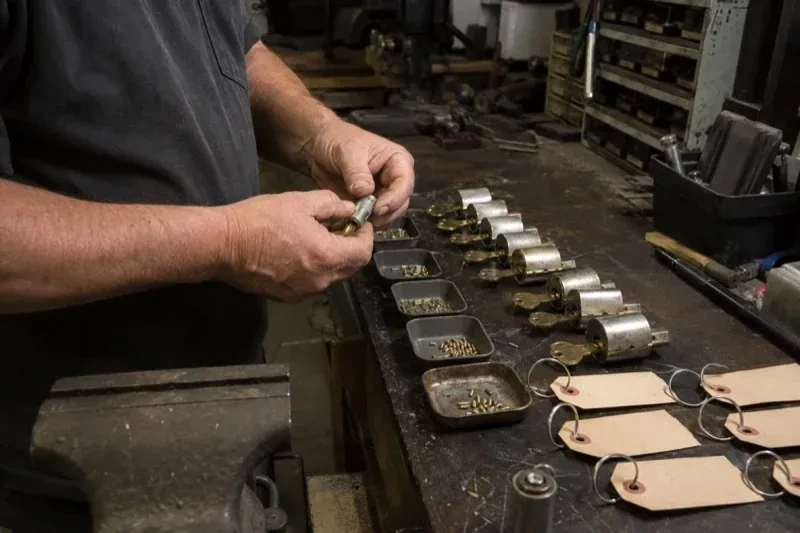
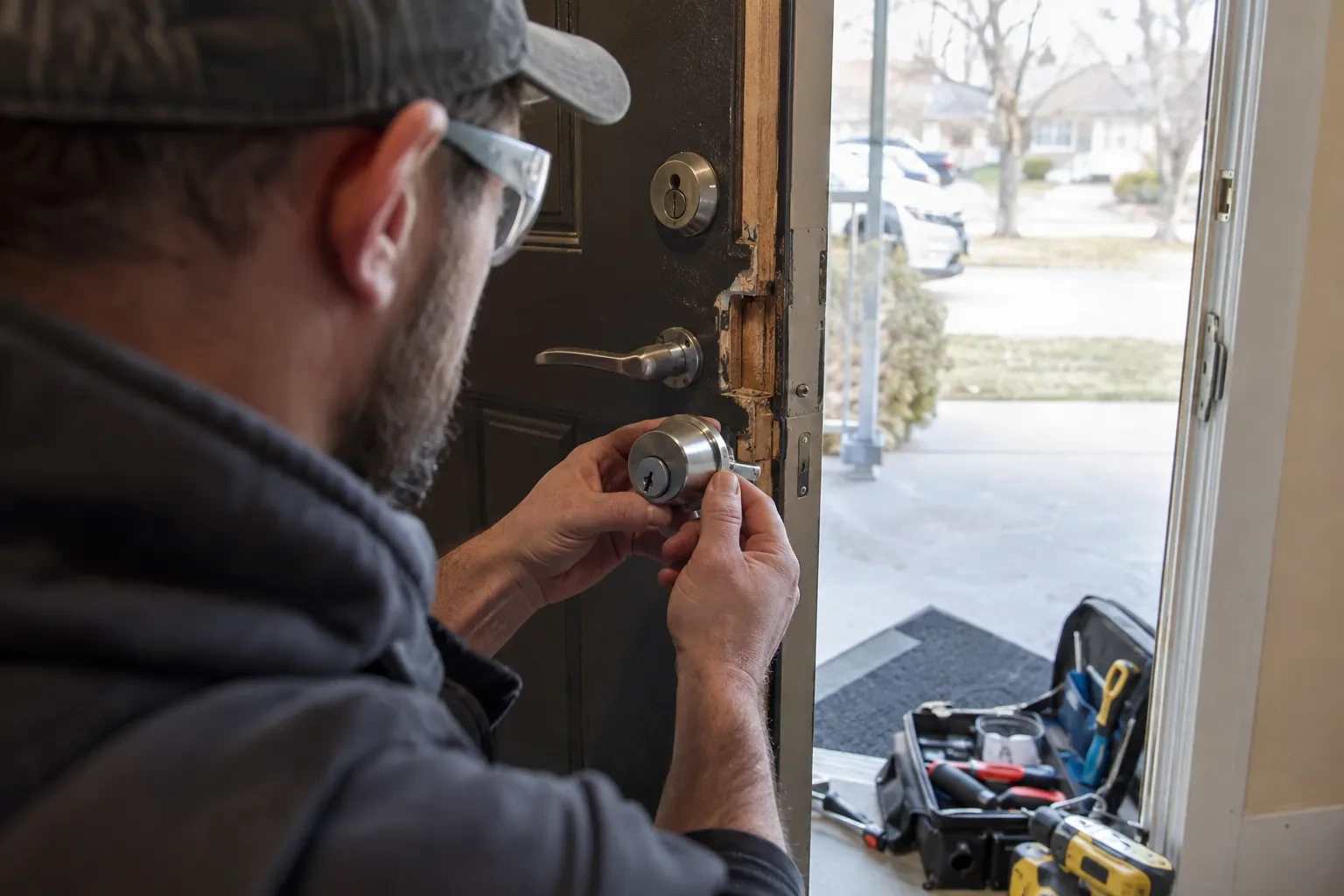
Commercial rekeying changes the pins inside a business's existing lock cylinders so that a new key operates them and every earlier key stops working, while the hardware itself stays on the door. The locksmith works from a list of the openings the business controls and the people who need to pass through each one, sets the cylinders to fresh combinations, cuts keys to match and records which key opens which door. Because nothing is replaced unless it is worn, a whole premises can be brought back under control in one scheduled visit, with the doors locking and unlocking exactly as before but answering only to keys you have counted.
How the visit goesThe manager's key ring went missing somewhere between the bank and the car, and the master on it opened every door in the building. Until the cylinders are changed, whoever finds it is holding the run of the place.
Commercial Rekeying
How the visit goes
Who is entitled to order the change
Every commercial rekey starts by confirming that the person asking for it has the standing to do so. For a small business that is usually the owner or a director; for a larger one, a facilities manager or property manager acting under written authority. The lease matters here too, because it decides which doors are the tenant's to alter and which remain the landlord's, and many leases ask that the landlord be given a key or told when locks change. Getting this straight before any cylinder comes out protects the business, its neighbours in the building and the locksmith, and it means the finished keying chart lands in the right hands.
Retiring the old keys
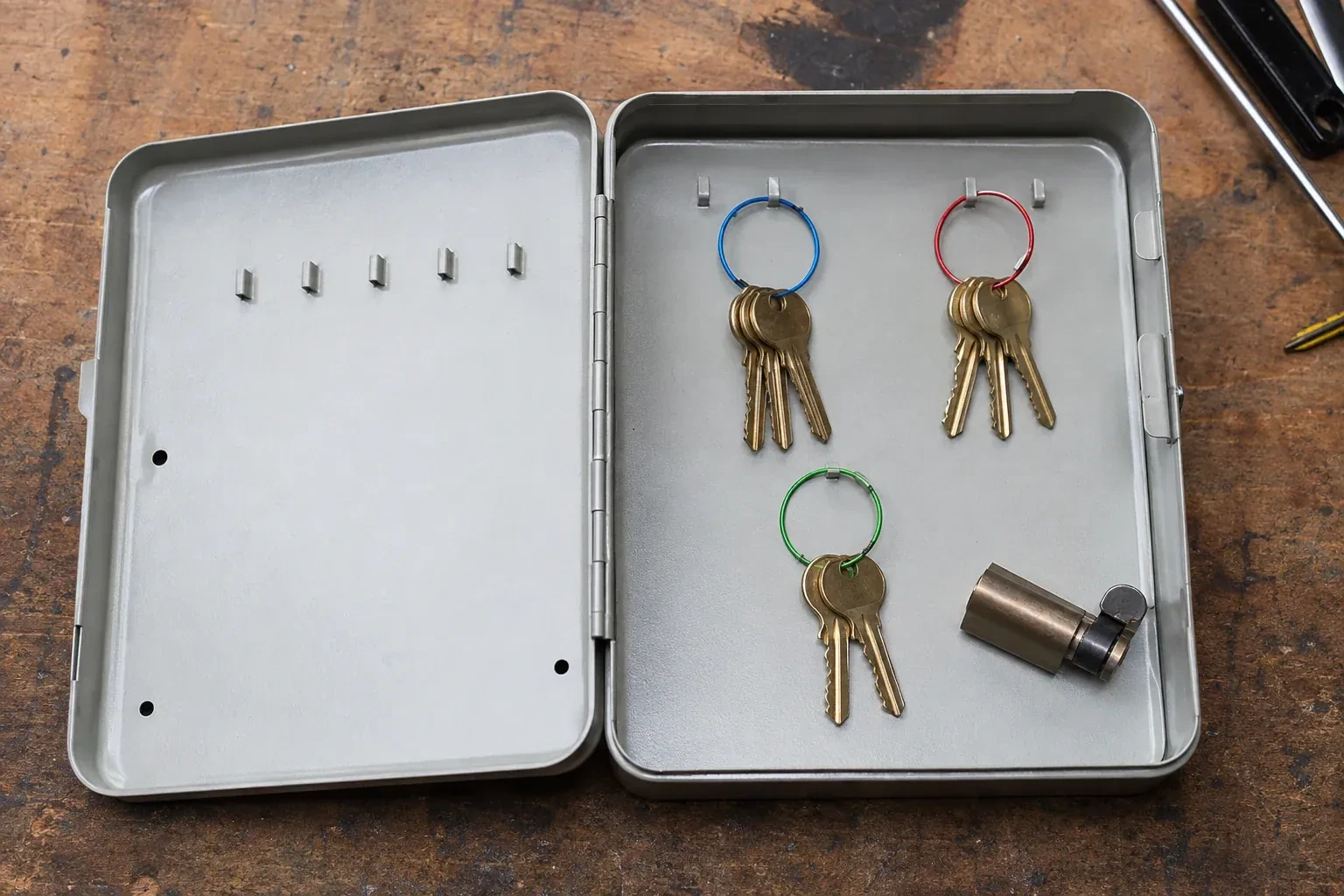
The job is finished when the old keys are proven dead, not when the new ones work. At every rekeyed opening the locksmith tries a sample of the old keys, including the master if one existed, and confirms that each one enters the keyway and turns nothing. The collected old keys are then cut through with snips in front of the manager and can be handed back as scrap or taken away. Any door deliberately left on its original key is written on the chart in plain words so nobody assumes it changed. That last check is what turns a day of brass work into a genuine reset of who can open the business.
How copies get made from now on
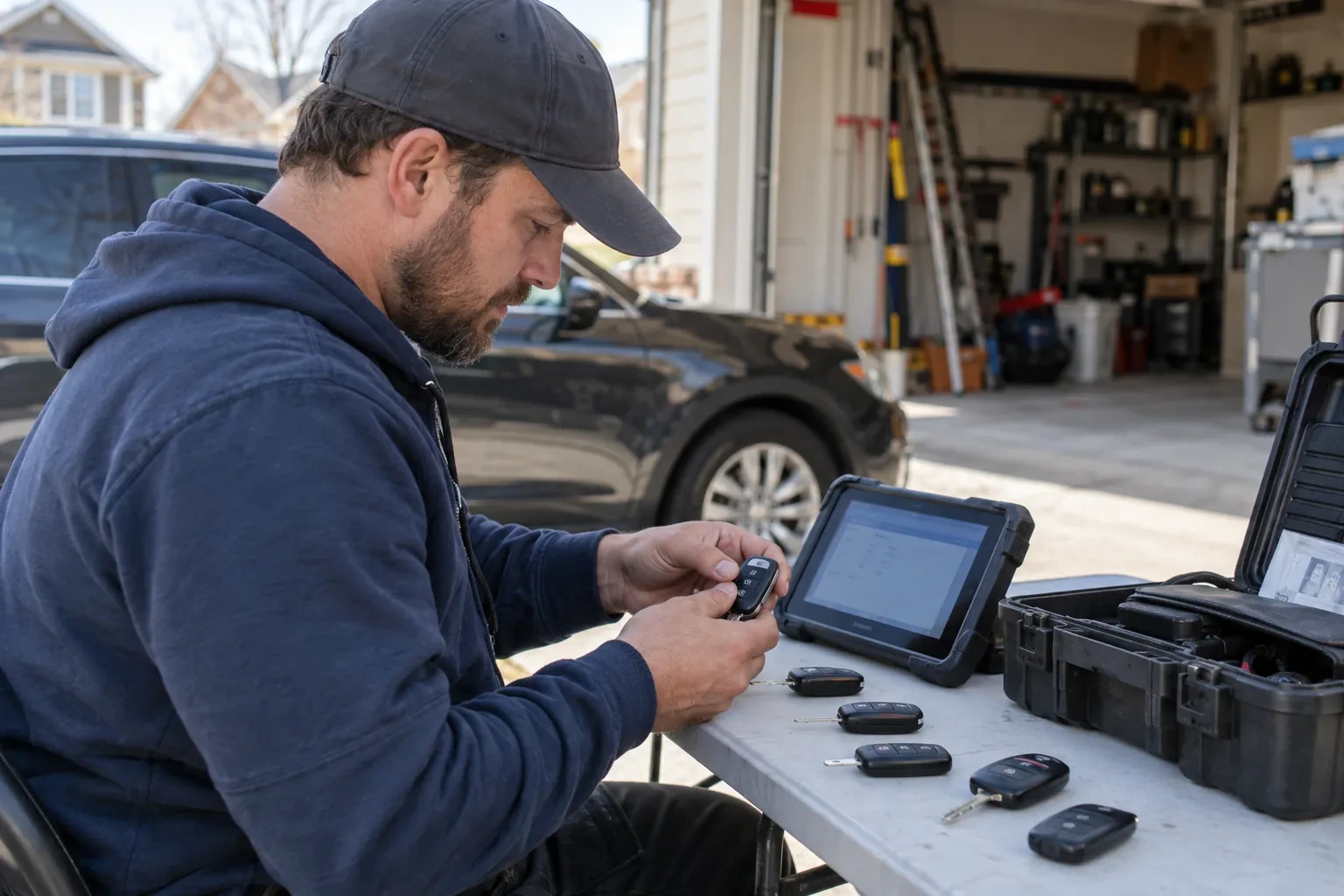
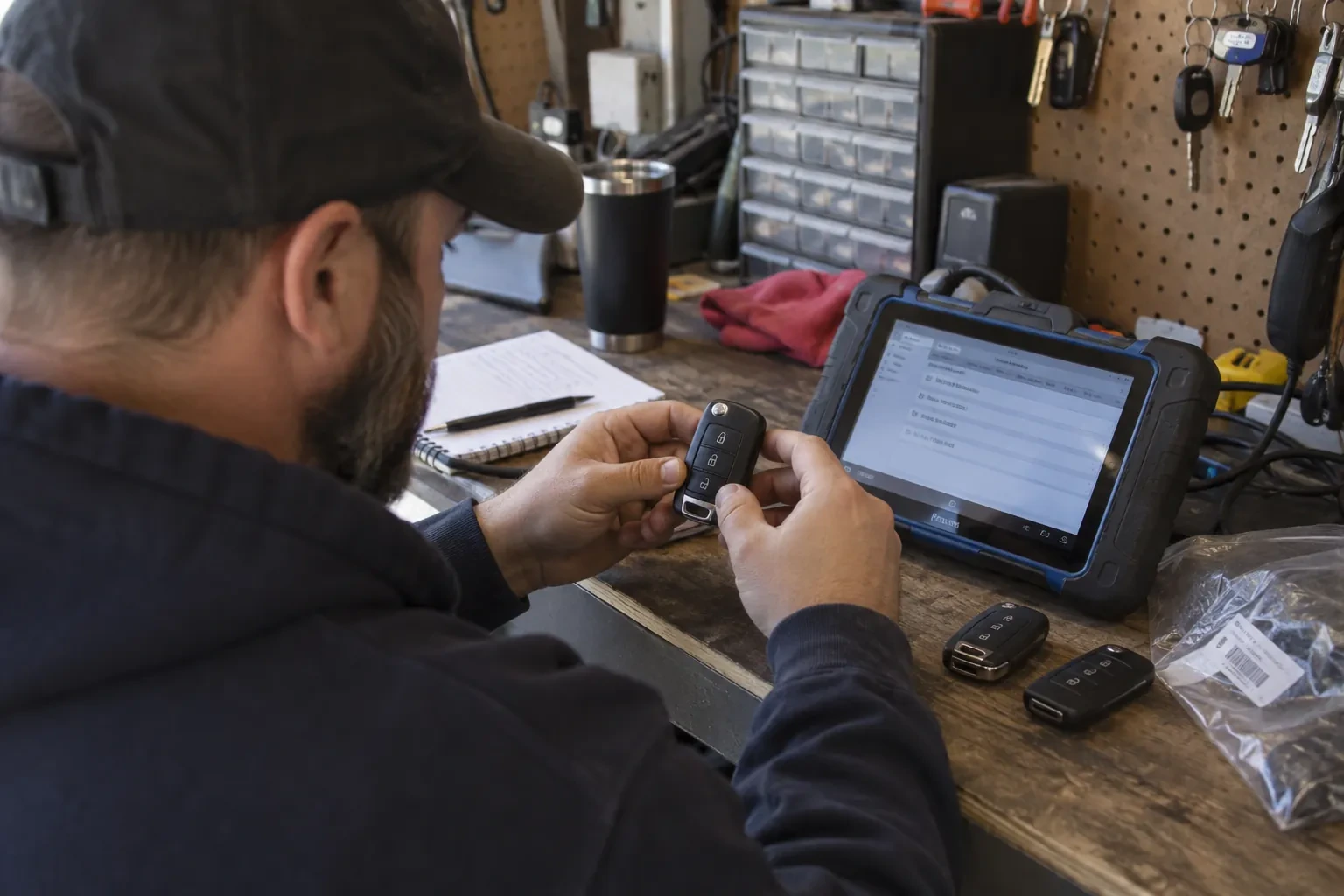
If the business moved to a restricted keyway, the way keys are copied has changed for good. Hardware stores and kiosks do not stock the blanks, which makes running off a spare on a lunch break far harder to arrange. New keys are ordered from the locksmith by one of the people named on the authorization letter, who signs for them, and the register grows by exactly that many. On a standard keyway, the same discipline is kept by habit: the manager orders keys, the register records them and a key that turns up unlisted prompts a question. Either way the count on paper and the count in the world stay the same, which is what key control means.
Commercial Rekeying
In the van
Interchangeable cores and control key
Plug follower
Code key machine
Key stamp set and tags
Commercial pin kit
Commercial Rekeying
What affects the quote
Number of cylinders
The count of openings drives the quote more than anything else: each cylinder is removed, repinned, refitted and tested individually, so a three-door shop and a twelve-office suite are very different jobs.
Upgrades chosen on the day
Some businesses use the visit to move to interchangeable cores, add a lockbox for the alarm company or fit a heavier cylinder on the cash room. Each is a separate line you can accept or leave.
Landlord and base-building coordination
Suite doors that must accept both your key and the landlord's master, or work that needs the property manager on site, add coordination the quote allows for.
What to have ready
- Can you gather every existing key so they can be read on site?
- Are any of the locks interchangeable cores, and where is the control key?
- How many keys do you need cut, and for whom?
Commercial Rekeying: questions
QuestionsDo I need my landlord's consent before rekeying my unit?
Read the lease, because that is where the answer lives. Commercial tenancies are governed mostly by the lease itself, and many leases require the tenant to tell the landlord when locks change, to provide a key for emergencies, or to use the landlord's approved locksmith. Doors on the building's master system, such as corridor or service doors, are normally the landlord's to change. Bring the lease to the assessment and the locksmith will sort the doors accordingly.
What is the difference between rekeying a business and replacing its locks?
Rekeying keeps every lock on the door and changes only the pins inside the cylinder, so a new key works and the old ones stop. Replacing swaps the hardware itself. Commercial cylinders are made to be repinned many times, so rekeying suits any lock in sound condition and leaves the levers, trim and door untouched. Replacement is chosen door by door for cylinders that are worn, corroded or too light for what they protect.
Does stamping keys 'do not duplicate' stop people copying them?
Not reliably. The stamp is a request, and any key on a standard blank can be copied by anyone with the blank and a machine. What does work is controlling the blank itself through a restricted keyway, or controlling access to the lock through interchangeable cores and a tight register. Stamping still has a place: a serial code on each key, instead of the business name, lets you track it without telling a finder where it fits.
Related services
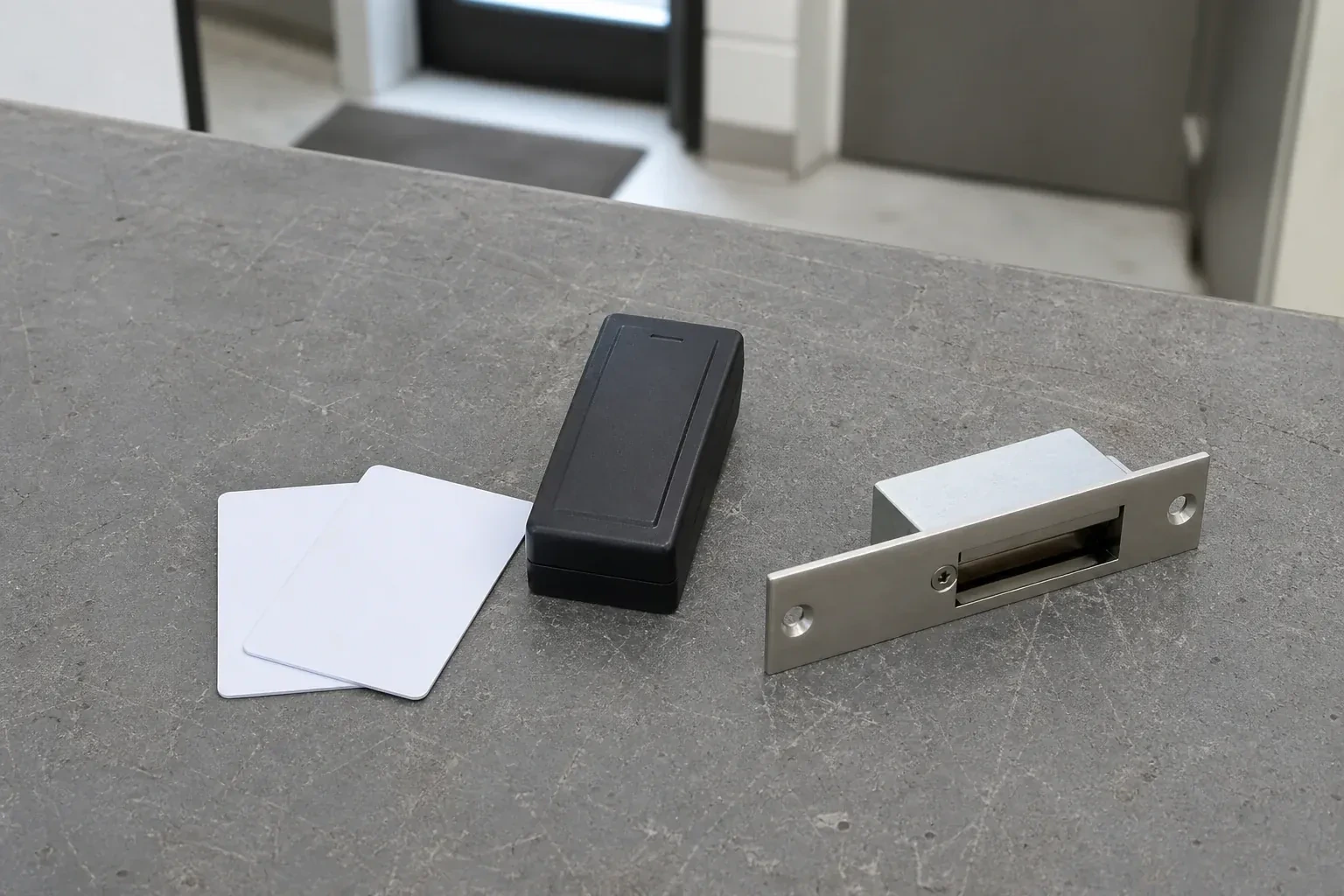
- Access Control InstallationThe keypad on the side door has started sticking on cold mornings, codes get shared instead of reset, and half the staff still remember a code you meant to retire two hires ago.
- Panic & Exit HardwareThe fire inspector's note is blunt: the banquet hall's second exit still turns on a deadbolt, and the crowd it is rated to hold needs a door that opens under one motion, no key involved.
- Commercial-Grade Lock ReplacementHead office wants every branch keyed alike under one system, and half the locations are still running whatever lockset the original contractor happened to install years ago.