Lockouts · Toronto
Business Lockout Service
You signed the lease on the unit last week and the landlord handed over possession, but the previous tenant's locks are still on both doors and no keys came with them.
In plain words
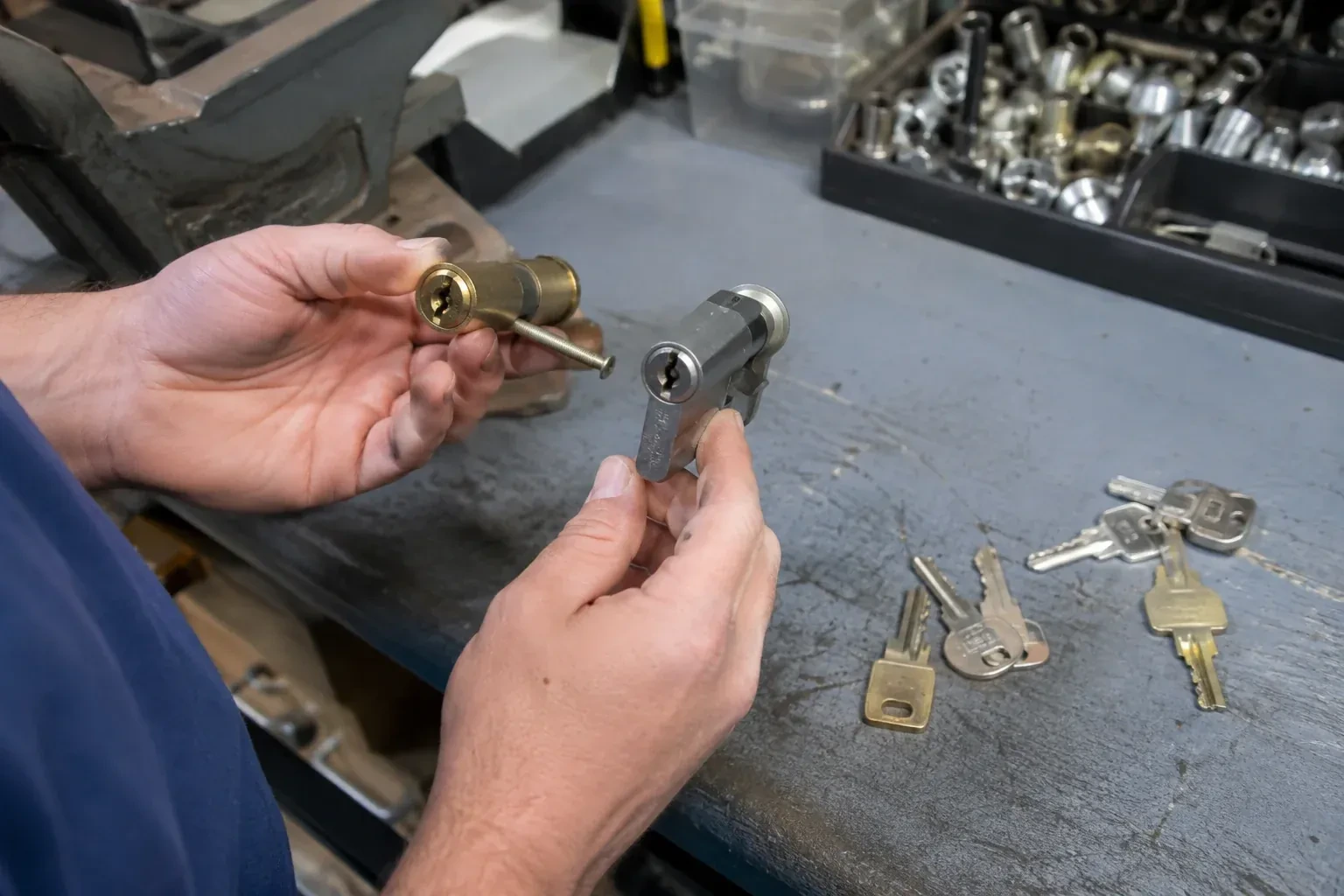
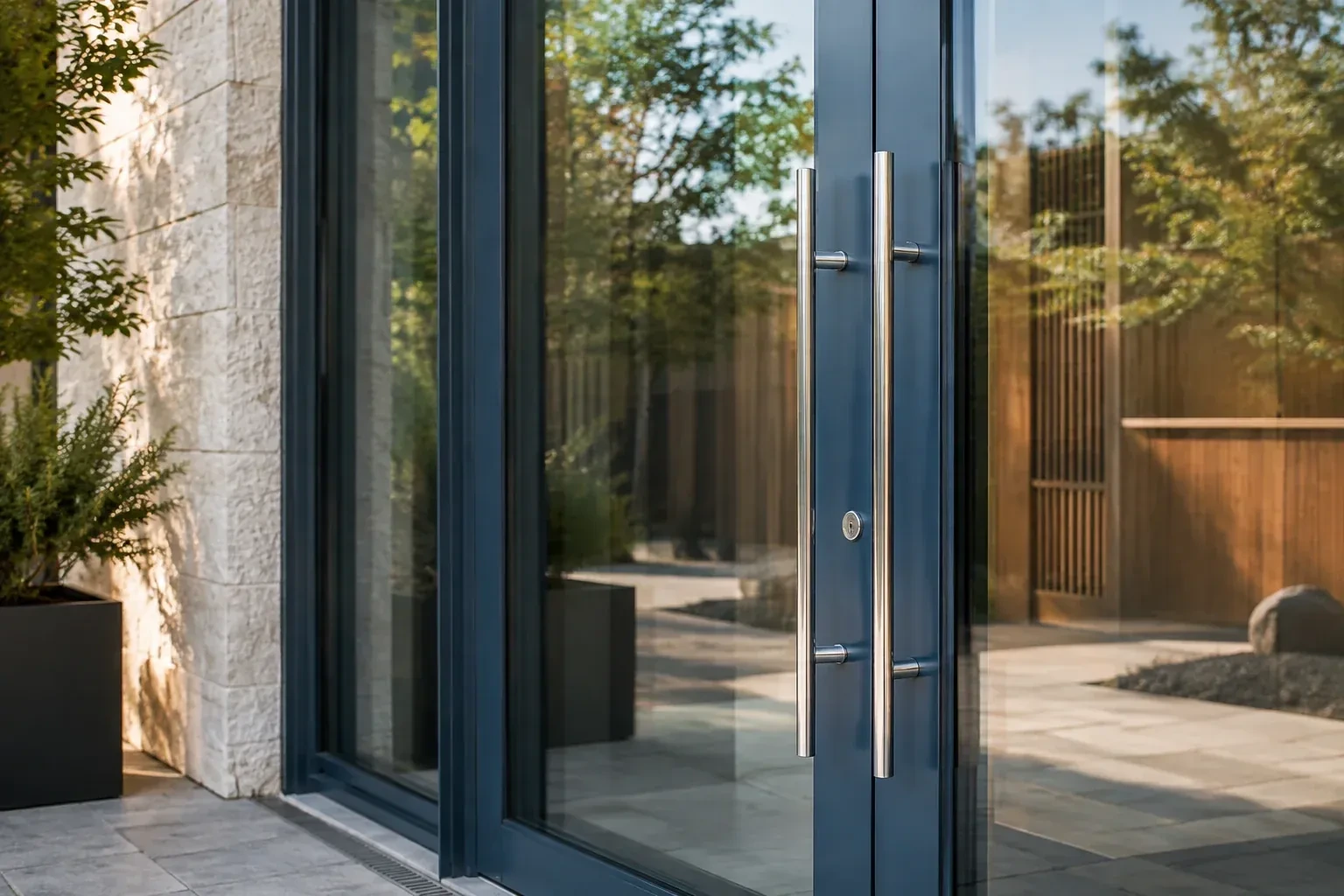
Commercial doors carry hardware that most homes never see, and reading it correctly is the first skill of a business lockout. An aluminium storefront door usually has a narrow mortise cylinder driving a hookbolt deadlock or a paddle-operated deadlatch. An office suite is more likely to have a lever lockset that stays locked from the corridor side, sometimes with a removable core. A rear door may carry an exit device with a keyed trim outside, and a steel door in a plaza often hides a full mortise lockset. Each of these opens differently, and choosing the technique that suits the mechanism is what keeps the hardware intact.
How the visit goesThe heavy glass door has been scraping the threshold for weeks. This morning the key turns, you can hear the bolt trying to move, but it is jammed hard in the strike and the door stays shut no matter how the handle is pulled.
Business Lockout Service
How the visit goes
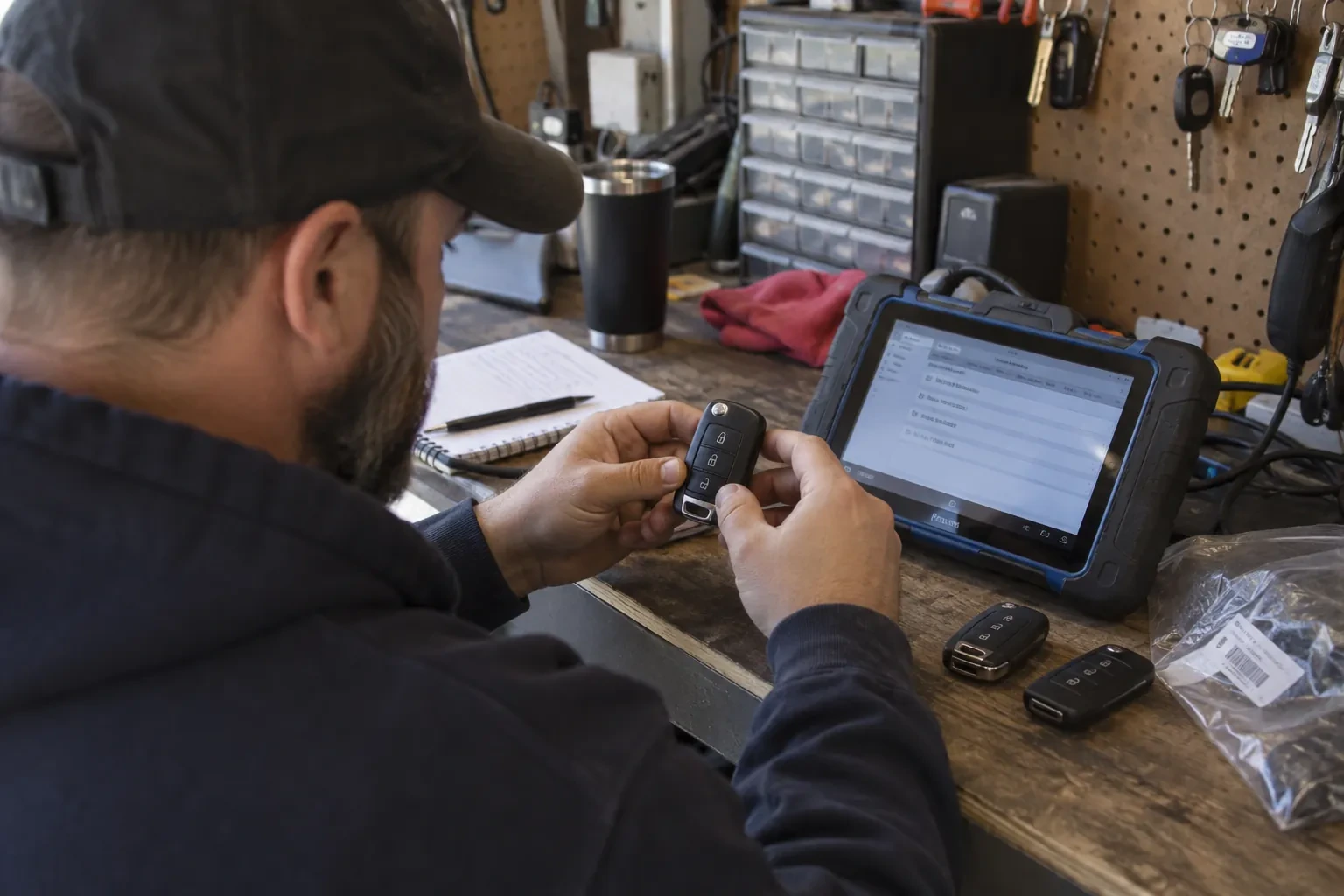
Which door and what is fitted to it
Commercial hardware is identified before it is touched. On a glass storefront door the locksmith looks at the narrow stile for a mortise cylinder, a paddle or thumb-turn inside, and the shape of the bolt in the edge: a hookbolt, a swing bolt or a spring latch with a deadlocking plunger. On a wood or steel door the tell is a lever with a small cylinder in its face, a full mortise lock with a separate deadbolt, or the outside trim of an exit device. A figure-eight core face means an interchangeable core system. Each of these points to a different opening method and a different set of spares from the van.
Non-destructive first, on every commercial door
Commercial cylinders are built to a higher standard than most residential ones, but the order of work is the same. The locksmith begins with methods that operate the mechanism as a key would: picking or decoding the mortise or rim cylinder, or pulling a removable core with a control key when the building uses one. Next come bypasses that suit the specific hardware without cutting anything. Drilling sits at the end of the list and is discussed before it begins, aimed only at the cylinder, with a replacement fitted in the same visit. Working in this order keeps the storefront, the trim and the lock body as they were, and the business back on its own keys.
Doors that open for the day and lock at night
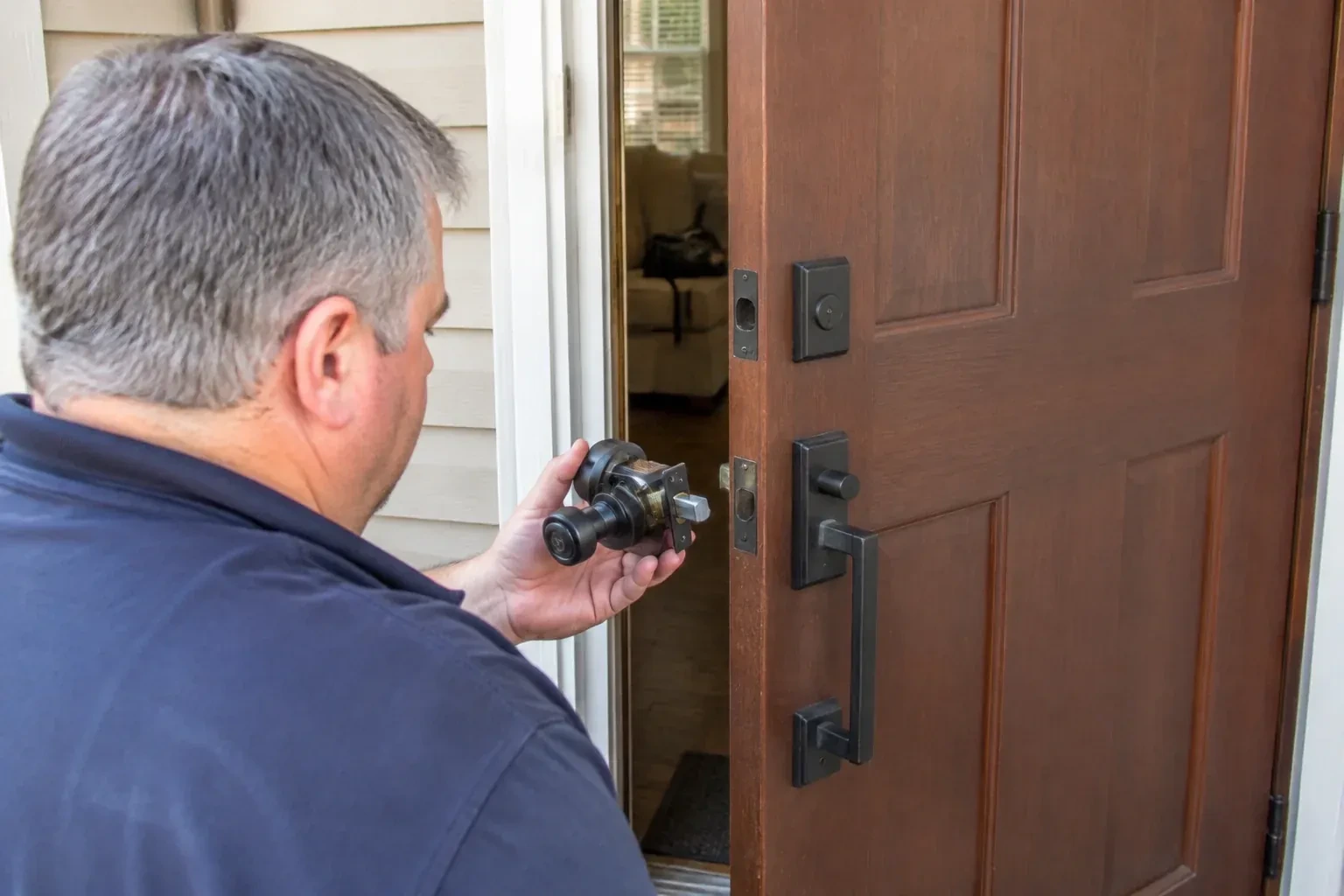
The visit ends with every door that was worked on cycled from both sides, open and closed, with the customer's own key. A hookbolt is watched to seat fully in its strike, a deadlatch is checked to catch on its own when the door swings shut under the closer, and a lever is tested to stay locked from the corridor while turning freely inside. Whoever locks up that evening is shown what was done, so the closing routine holds no surprises. Any hardware replaced is demonstrated and the packaging and old parts left with you, and the door is locked once more with your key before the van leaves.
Business Lockout Service
In the van
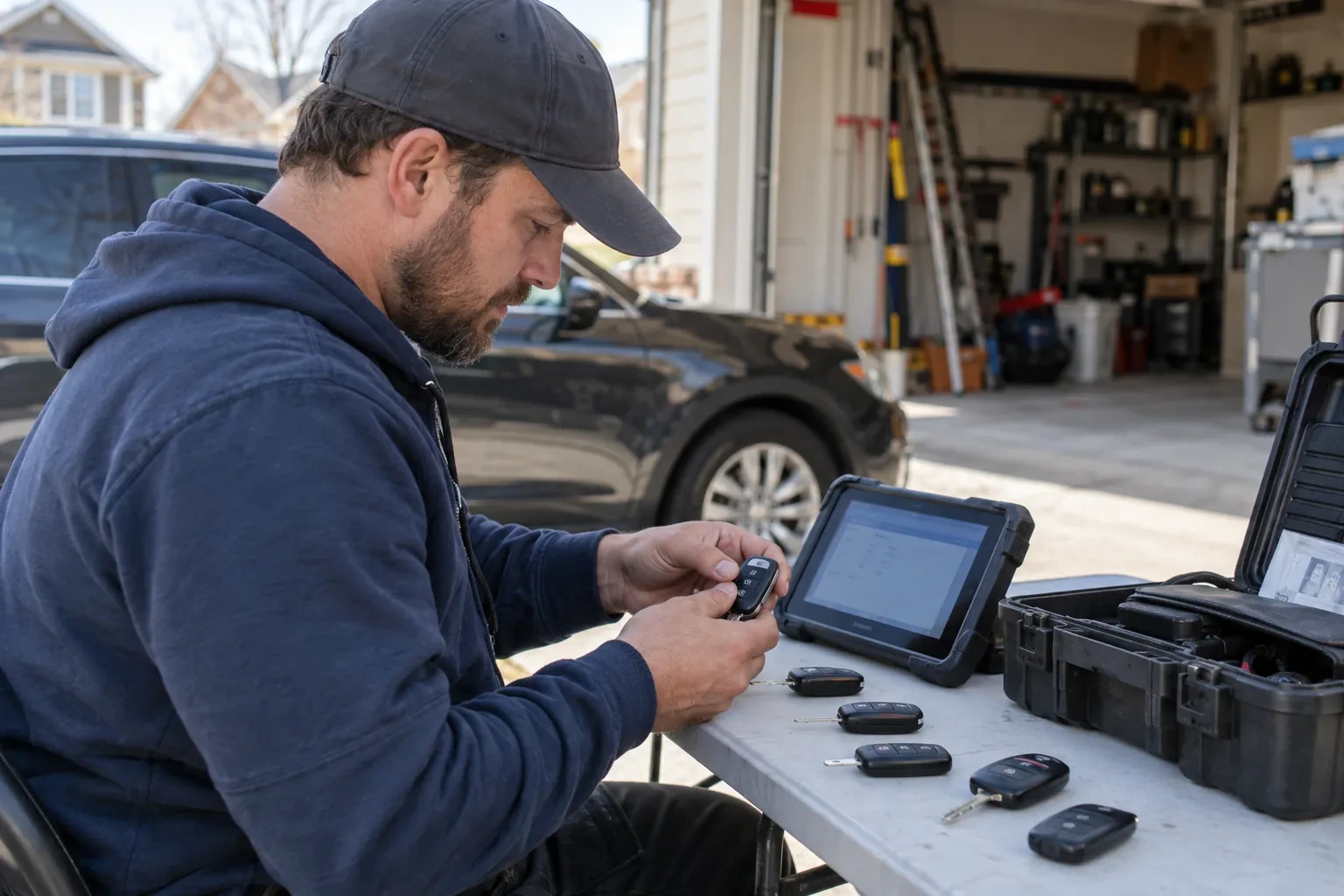
Control keys and core-removal tools
Strikes, pivot shims and closer adjustment tools
Broken key extractors
Interchangeable cores pinned to system
Lock de-icer and dry PTFE lubricant
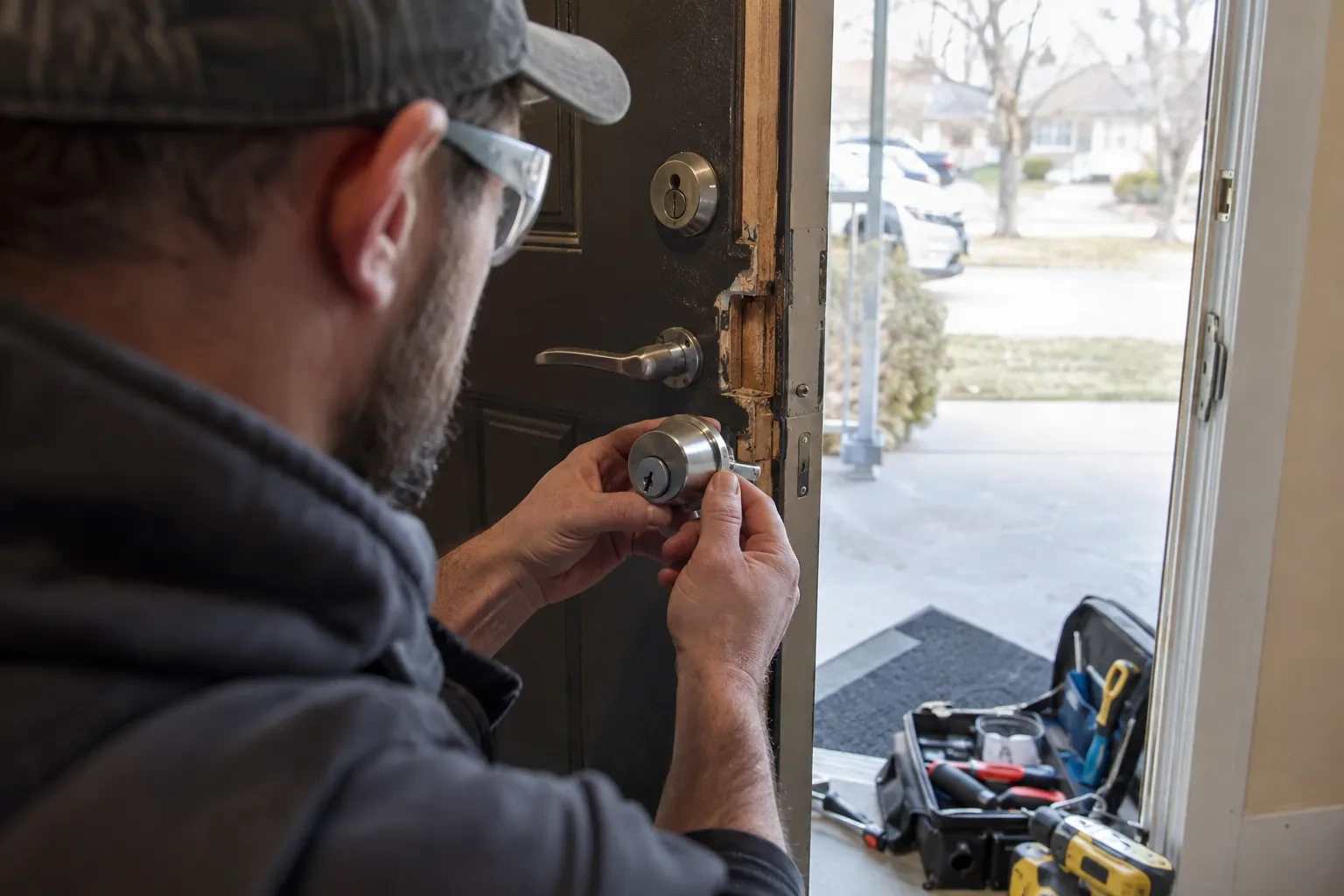
Business Lockout Service
What affects the quote
Distance and access to the door
Travel is part of every call-out, and so is reaching the door: a plaza unit at street level, a suite behind a locked lobby, or a loading dock at the back of an industrial park each take a different amount of the locksmith's time.
Damage from earlier attempts
A paddle bent by a pry bar, a stile scratched by a screwdriver or a cylinder wrenched by pliers may need repair as well as opening, and the locksmith points out what was already there before quoting it.
Drilling and a replacement cylinder
If a seized or blocked cylinder has to be drilled, the quote gains a new commercial cylinder or core and the labour to fit and key it. This is explained before the drill comes out.
What to have ready
- Does the building have a property manager or a master key system for the unit?
- Which door are you locked out of, and what does the lock on it look like?
- Is anyone able to reach the owner, head office or property manager to confirm the request?
Business Lockout Service: questions
QuestionsCan you also deal with the back door, the roll-up shutter and the gate?
Yes. A business lockout covers every opening the premises relies on: the rear service door with its exit device, a roll-up shutter and its padlock, the compound gate, a mailbox in the lobby and interior doors such as the cash office or server closet. Mention each one when you call so the right padlock shackles, cores and cylinders are in the van, and so cylinders that should share a key are handled together.
What is a restricted keyway and is it worth having for a business?
A restricted or patented keyway is one whose blanks are supplied only through the manufacturer's authorised channels, so duplication is controlled rather than available at an ordinary counter, though the exact authorisation step varies by program and is not always a signed letter. For a company with staff turnover, cleaners and contractors, it means the keys in circulation are far easier to track. It can be introduced during a rekey, on the exterior doors only or across the whole premises, and works alongside a key register.
We have lost a master key. Is that different from losing an ordinary key?
Yes, because a master key opens every lock in its group, so one missing key touches many doors. The response is planned rather than rushed: the locksmith maps which cylinders the key operated, works with the property manager if the system is building-wide, and re-pins or swaps cores across the group so a new master takes over. Manufacturers' guidance on key control treats retrieving and tracking master keys as the foundation of the whole system.