Locksmith in Parkway East, OntarioLandlords in Parkway East,we speak your language
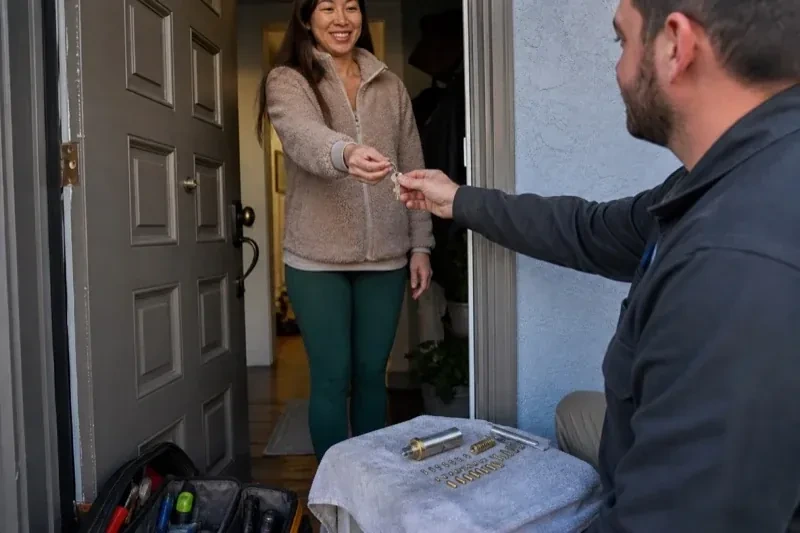
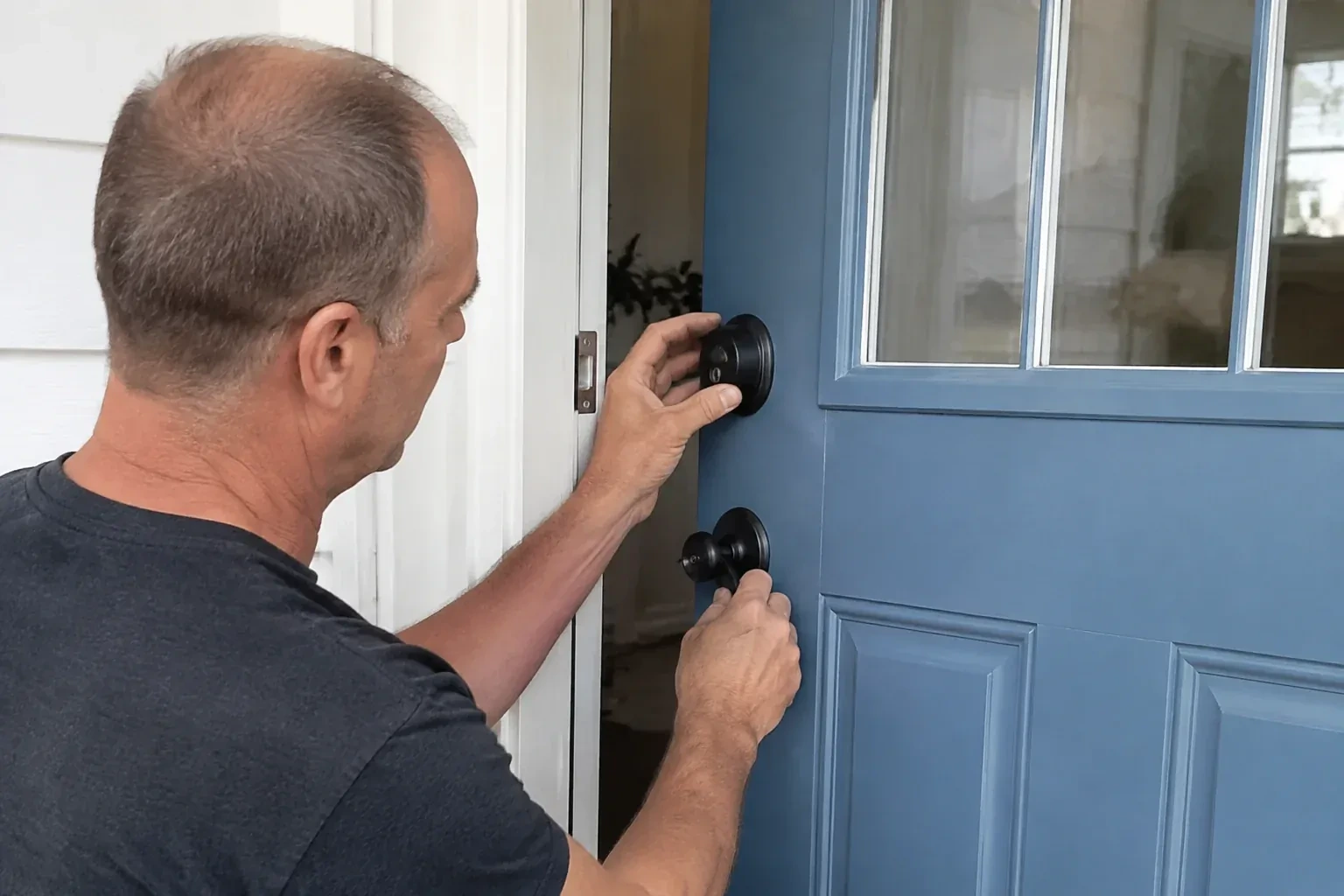
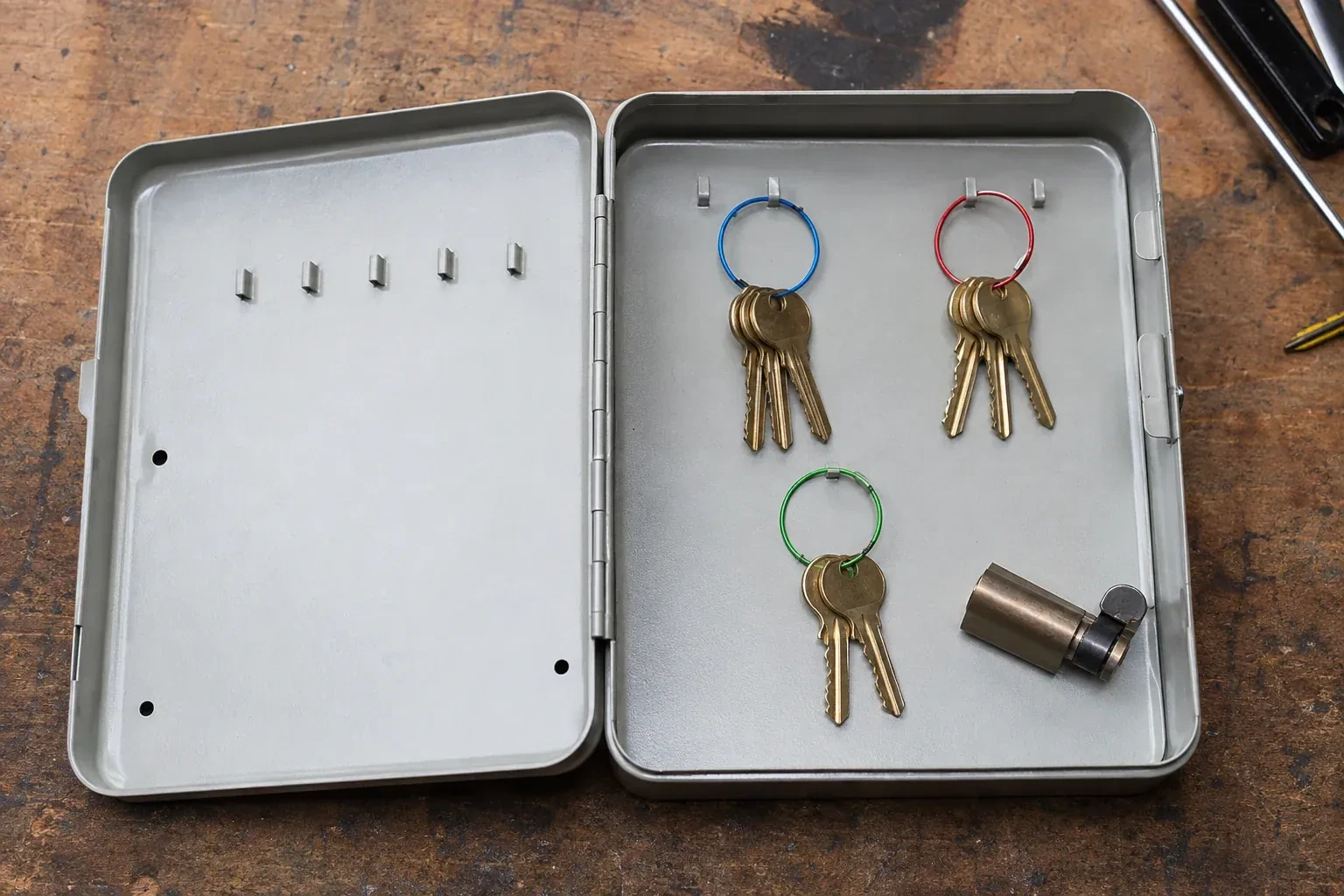
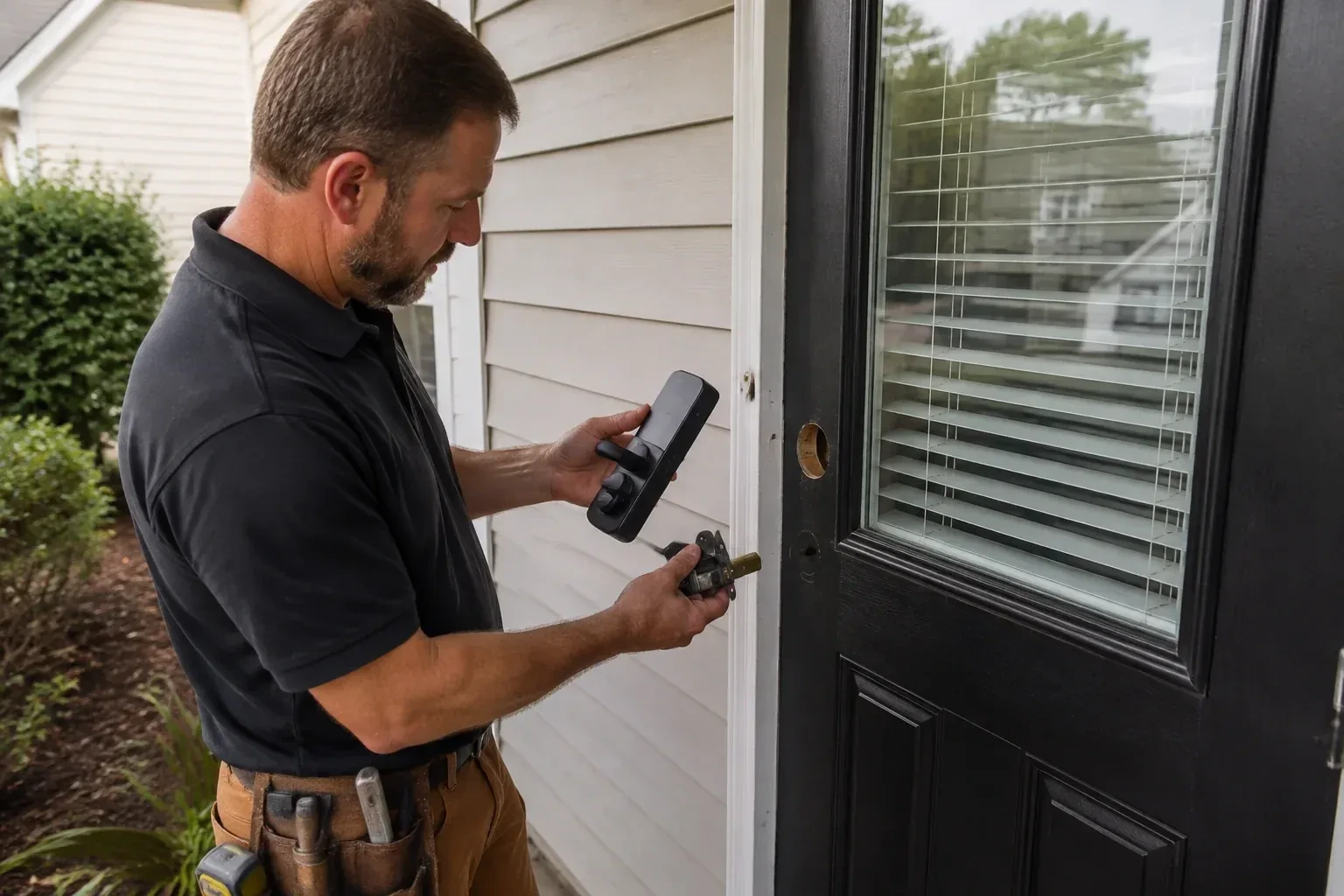
Turnovers, lost keys, a tenant who changed the lock without asking: rental property in Parkway East keeps a locksmith busy in predictable ways. We rekey between tenants, keep unit keys organised under one master, fit hardware that survives heavy use, and write up what was done for your records.
Turnovers, lost keys, a tenant who changed the lock without asking: rental property in Parkway East keeps a locksmith busy in predictable ways. We rekey between tenants, keep unit keys organised under one master, fit hardware that survives heavy use, and write up what was done for your records.
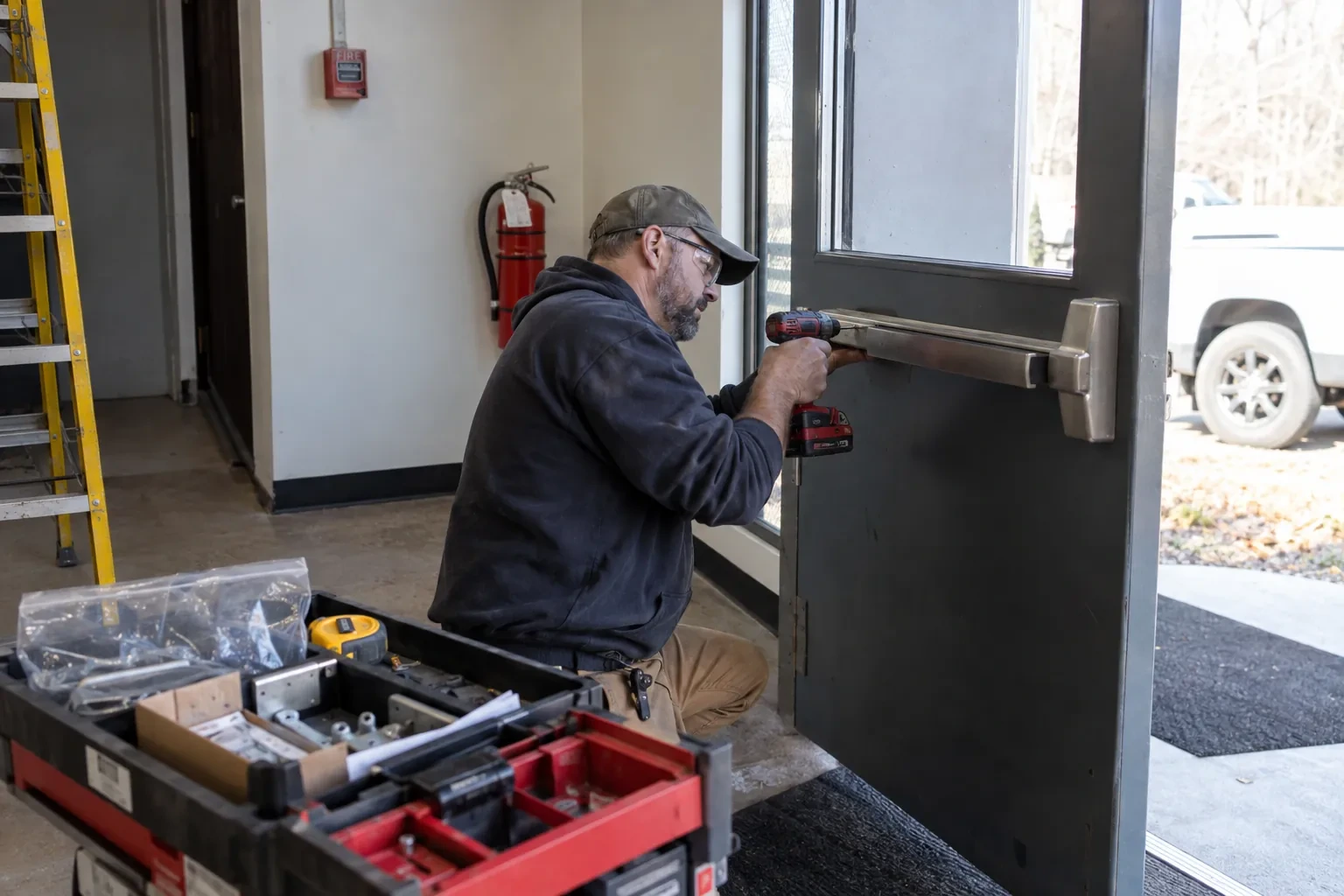
We look after the door, not just the lock.
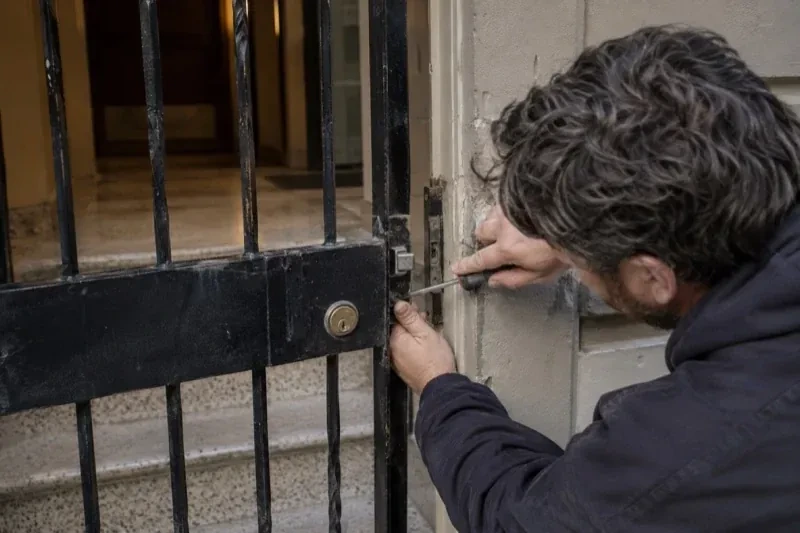
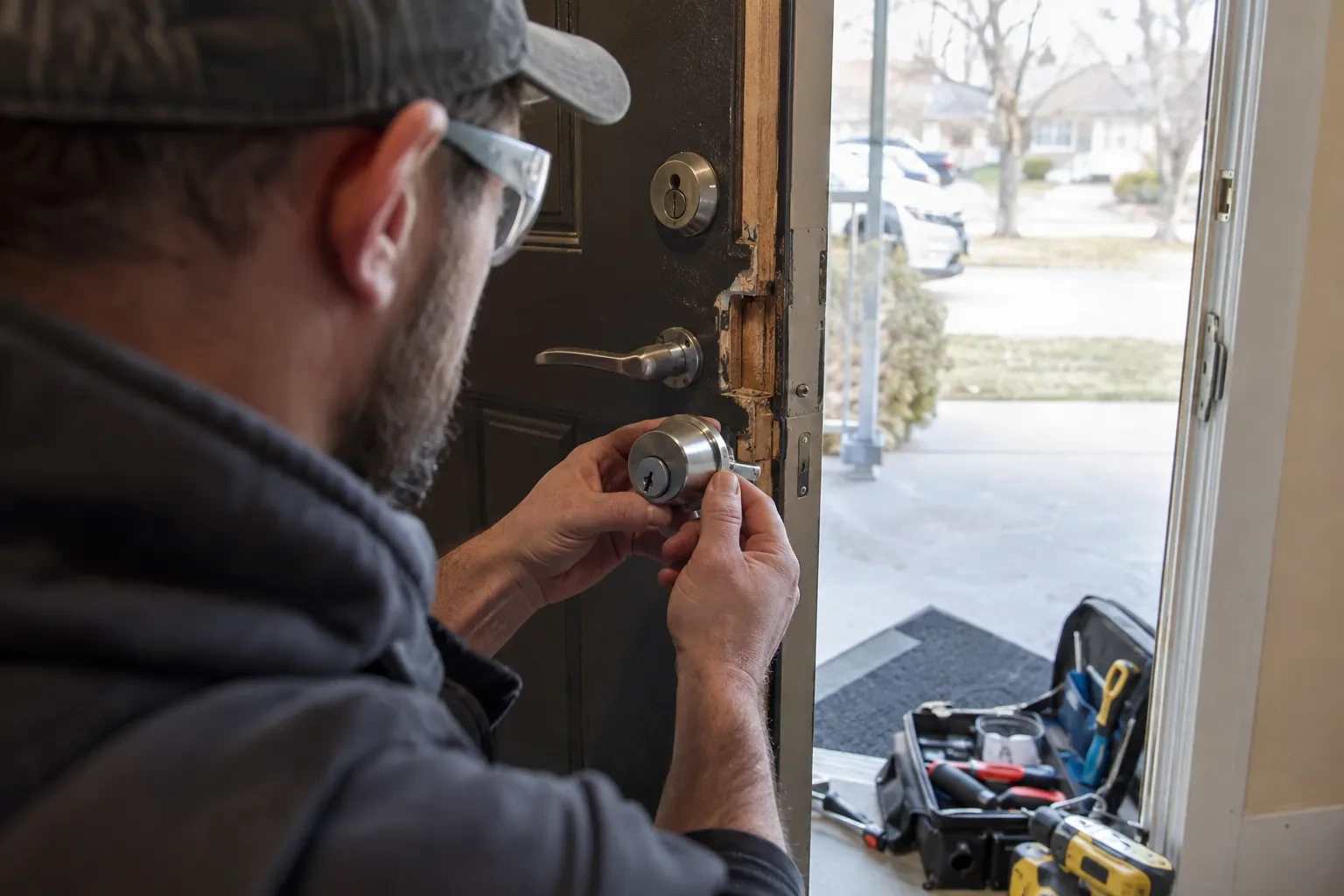
A lockout in Parkway East is handled without drama. The locksmith confirms you belong there, then uses the least destructive method the lock allows, so the door and cylinder are usually intact when you walk through. Only when a lock has genuinely failed does he move to drilling, and then he replaces the cylinder and hands you fresh keys before leaving.
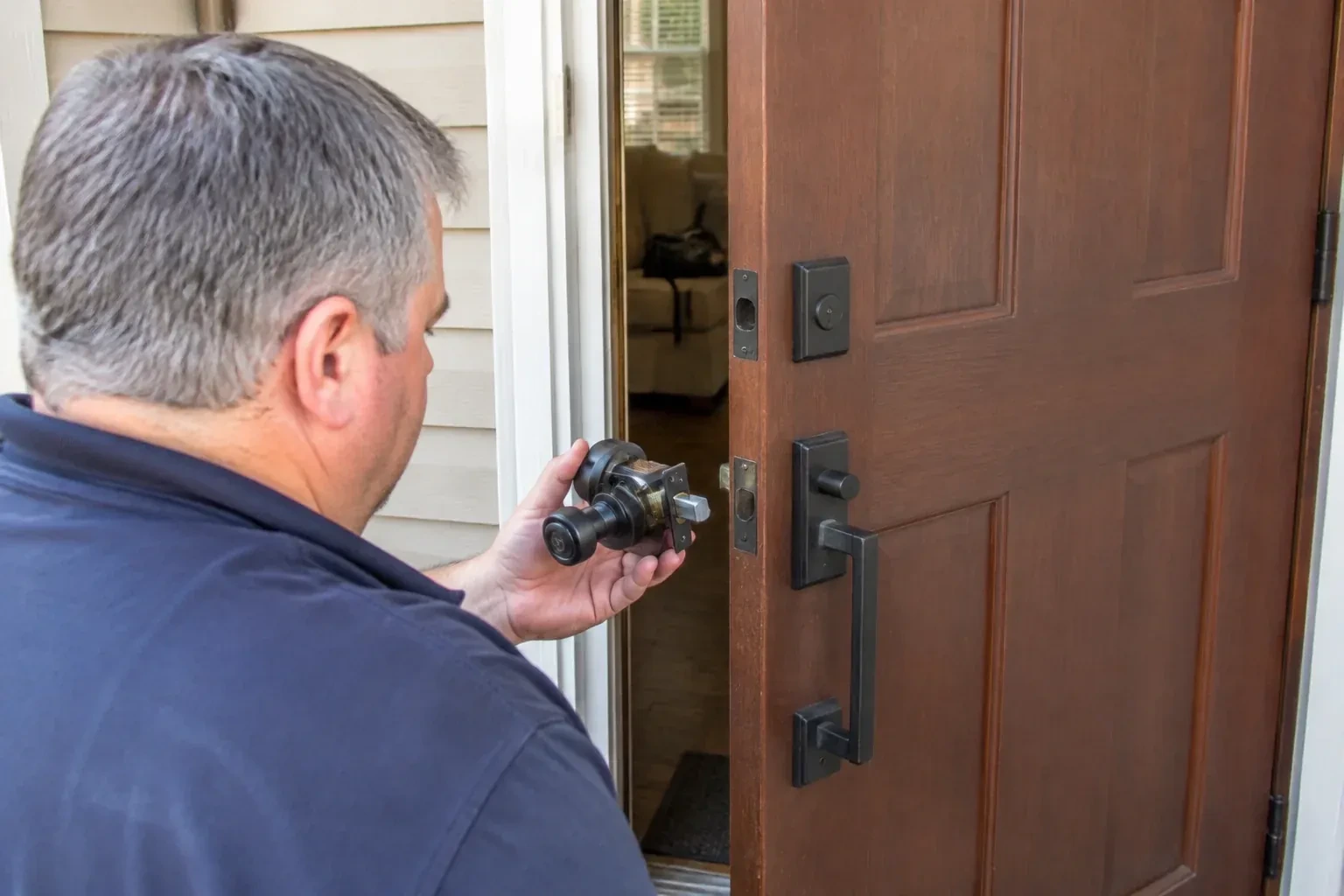
We think of Parkway East as home ground, and we work there the way we would want a tradesperson to work in our own house: arrive prepared, explain first, respect the place, leave it tidy and make sure everything works before going. Homes, businesses and vehicles get that same care, whether the job is a lockout, a rekey or a new set of keys.
11years in business
24/7open every day
Explained before any tool comes out. You will hear what we found, what we suggest and why, before anything is changed. If you want a minute to think, take it.
Choices, not a single answer. Most problems have more than one fix. We lay out the practical options and the trade-offs, then let you choose the one that fits your home and budget.
A tidy doorstep. Shavings swept, packaging taken away, the old hardware offered to you or disposed of. The only sign we were there is a lock that works.
Every lock service we provide in Parkway East starts with the same first step, which is looking at the door properly before deciding anything. The individual pages below explain what that look involves for each job, how the work is carried out, and what to expect from the hardware afterwards.
About 58% of homes in Toronto were built in 1980 or earlier, according to the 2021 Census.
Older homes
Old brass keys wear thin, and a key that has bent for years finally lets go in a cold cylinder. In older housing stock this is a regular call, so the locksmith is ready to extract the piece, check the cylinder and cut a new key from the code.
Single-detached houses make up about 23% of homes in Toronto (2021 Census).
Condo boards commonly set rules about what may be changed on the outside face of a suite door. A locksmith experienced with attached housing knows to keep the visible hardware within those rules while still upgrading the cylinder and strike behind it.
Rather than one purchase, think of high security as a run of decisions. Which doors, which cylinders, how many keys, who may order more, whether a safe belongs inside. We walk those decisions with you and write the answers down.
The pharmacy's drop safe has a keypad that finally lost power for good, and the little override key that was supposed to live behind the counter cannot be found anywhere.
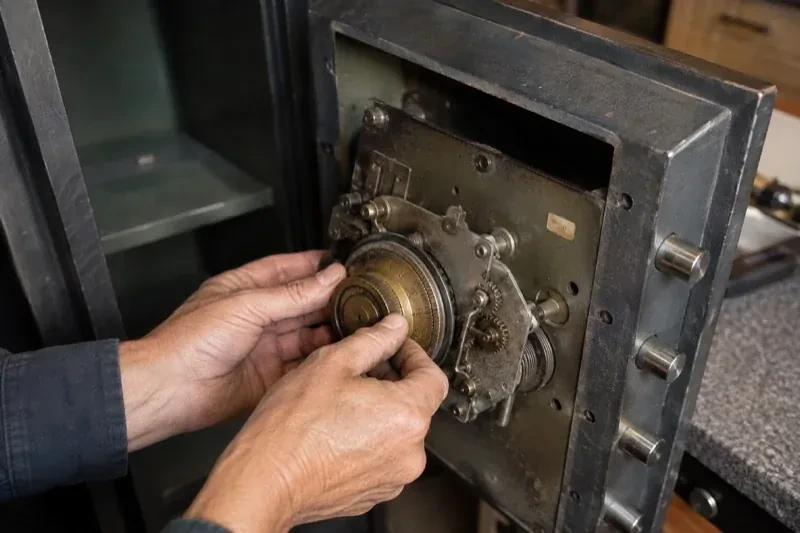
A homeowner inherited a heavy old dial safe from a parent's house, moved it into the new place, and has no idea whether the bolt-work still works, whether the lock is sound, or how it should be anchored.
Which fix fits?
The lock works, but only if you lean on the door with your hip while turning the key.
WhyOn storefronts, offices and older houses the hardware is often a mortise lock with a lever, and the jam is frequently inside the case, not the cylinder.
WhyThe right deadbolt for a door depends on how the door is used and where it sits.
You have lost count of how many people have had a key to your house over the years: cleaners, a contractor, a former partner, the previous owner's family.
WhyThis service suits anyone who wants to stop wondering.
On the warehouse floor, a shift supervisor's key opens the loading dock, the tool crib and the manager's office, though only the dock is really part of the job.
WhyIn a building shared by several tenants, departments or contractors, master key system design draws a clear line between who needs a broad master and who needs a single change key for their own door.
Something went missing from the storeroom over a weekend, and when you ask who was in the building, the honest answer is anyone with a key.
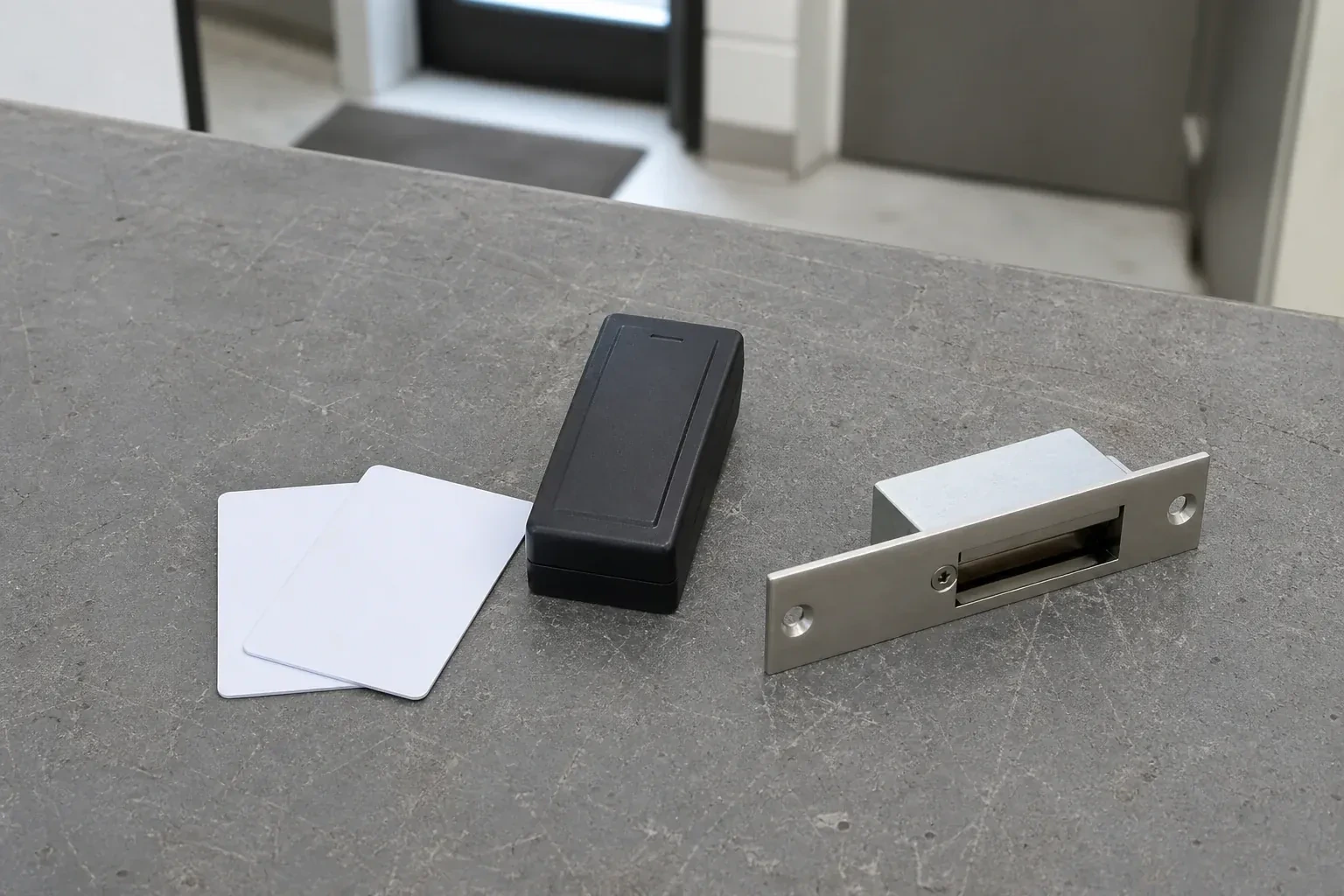
WhyAccess control installation swaps a shared metal key for an electronic one: a card, a fob, a code, or a phone tap that a controller checks against a list the business manages.
A new tenant moved into the unit next door, and the property manager just found three different cylinders on three doors, none of them cut to the same key.
WhyThere are two starting points, and the first question on the phone is which one you are in.
A lockout last month ended with a locksmith opening the door and going home, and the same single key has been carried ever since with nothing behind it.
WhyWhen a key's blade has thinned or its buttons have gone soft with age, waiting for it to fail outright is the harder plan to manage.
Good days. Start with a turn.
1/9Seized & Jammed Lock Opening
The lock works, but only if you lean on the door with your hip while turning the key. After a week of humid weather the bolt is jammed against the strike plate, and without that push the key stops halfway.
You let a part-time employee go on Friday. The shop key is on a ring in their apartment, or their car, or a friend's kitchen, and on Monday morning the register and the stock room open with it.
The front door has a handsome lever and a keyed knob, and that is all. Nothing above it. When the door is shut, the only thing keeping it closed is a spring latch the width of a thumbnail, and you have started to notice.
You have lost count of how many people have had a key to your house over the years: cleaners, a contractor, a former partner, the previous owner's family. The lock still works, but you no longer know who else it works for.
On the warehouse floor, a shift supervisor's key opens the loading dock, the tool crib and the manager's office, though only the dock is really part of the job. Nobody planned it that way; the key was simply copied from whichever one was closest at hand.
Something went missing from the storeroom over a weekend, and when you ask who was in the building, the honest answer is anyone with a key. There is no list, no time stamp, no way to narrow it down.
A new tenant moved into the unit next door, and the property manager just found three different cylinders on three doors, none of them cut to the same key.
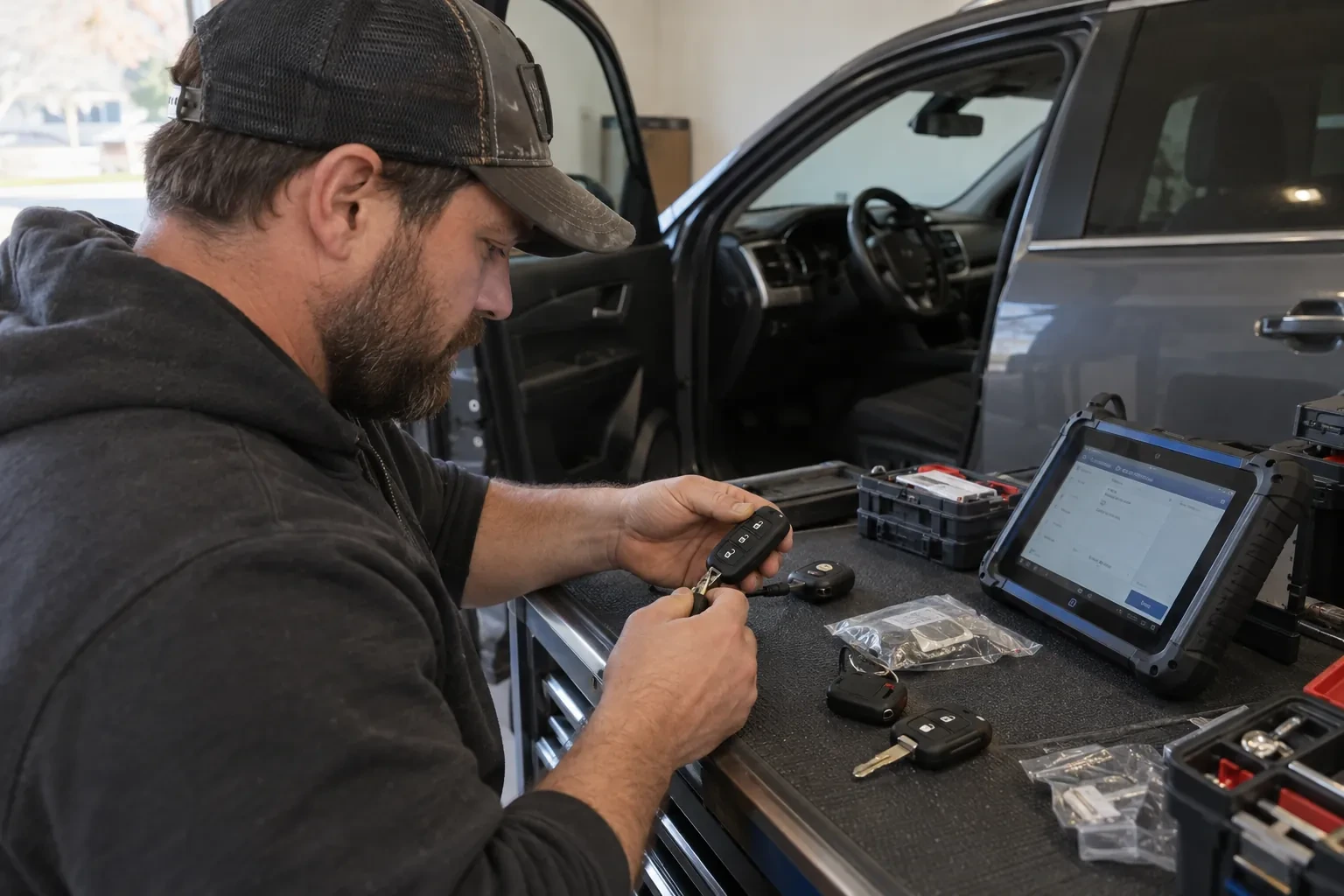
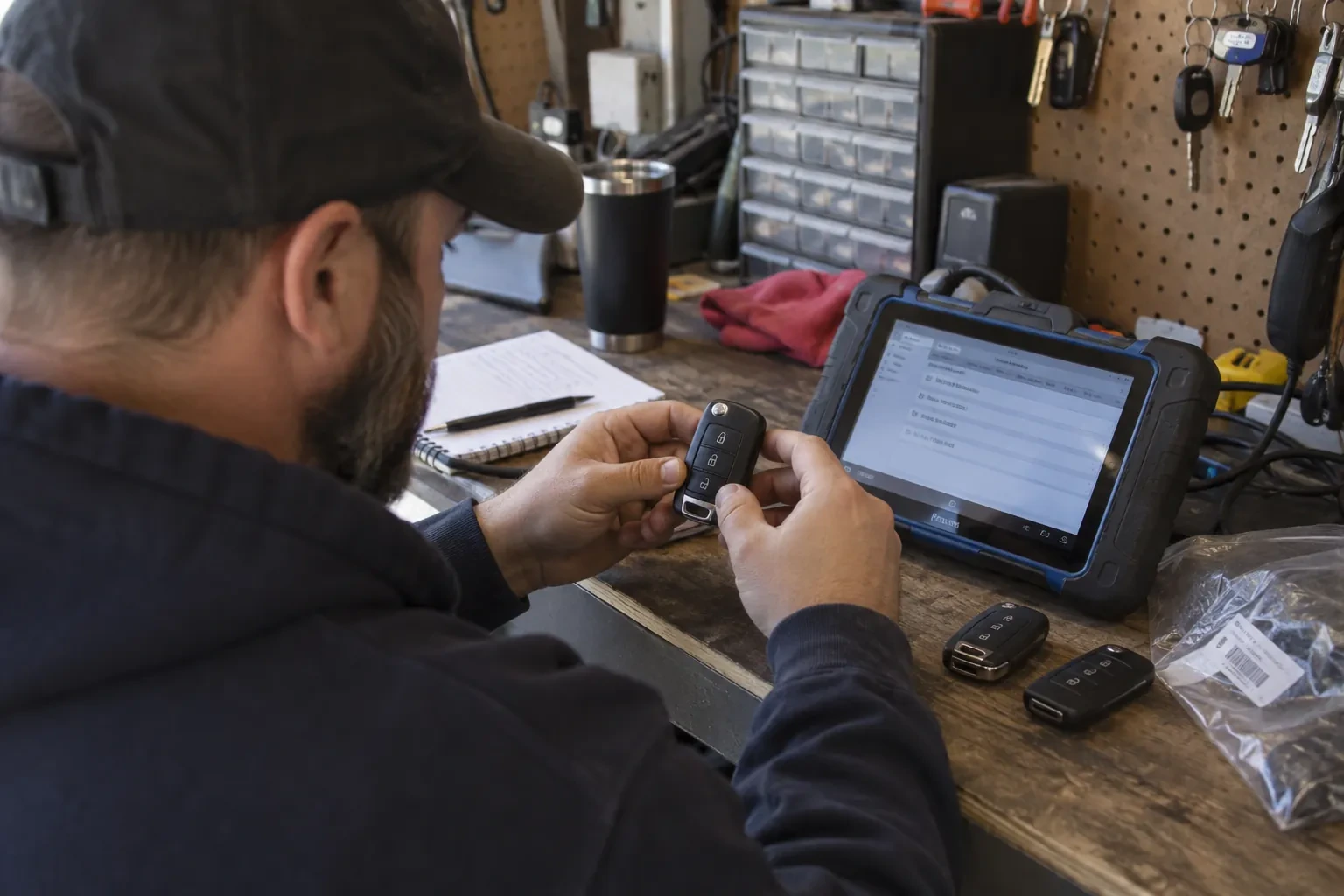
The key snapped at the head while you were turning it in a stiff, frosty door lock. Half the blade is in your hand, the rest is inside the lock, and the plastic head still lights up when you press a button.
A lockout last month ended with a locksmith opening the door and going home, and the same single key has been carried ever since with nothing behind it. The relief of getting back in faded within a week into the same exposure.
My key turns all the way round but the bolt stays put. What has broken?
The key and cylinder are doing their job; the bar behind the cylinder that drives the bolt, called the tailpiece or cam, has broken, slipped or twisted out of engagement. It is a small part. The locksmith retracts the bolt through the mechanism or removes the cylinder to reach it, then fits a tailpiece of the right length and profile. Your cylinder and keys are unchanged afterwards.
Can I just have another key cut instead?
You can, and it solves being without a key. It leaves the lost one working, though, which is the half of the problem that keeps people awake. Rekeying takes about as much effort as a trip to a hardware store counter and ends with a new key in your hand and the old one retired. If the key was mislaid somewhere it will never be found and named nothing, a plain copy is a fair choice.
What is the difference between a deadbolt and the lock in my door knob?
The knob or lever holds the door shut with a spring latch: a bevelled tongue that snaps into the frame and can be pushed back by anything slid into the gap. A deadbolt is a solid rectangular bar driven by the key or thumb-turn alone, and when fully thrown it locks in place so it cannot be pressed back from the edge. The knob keeps the door closed; the deadbolt keeps it locked.
What does key control mean in practice?
It means your key can only be copied through the locksmith who manages your system, after checking that the person asking is on your list of authorised names. Blanks for the keyway are not sold to hardware stores or kiosks while the patent lasts. Each key is numbered and recorded, so you know how many exist. For a home that ends the worry about old copies; for a business it turns a lost staff key into a known, manageable event.
How do you decide how many sub-master levels a business actually needs?
The number follows the organization, not a preference for tidy diagrams. Genuinely distinct groups, such as separate departments or floors with different access needs, each justify a level; access differences that exist only on paper usually do not. A hierarchy with more levels than the business uses in practice is harder to administer without making anyone's day-to-day access meaningfully better.
Who keeps administrative control of the software after installation?
The business does. Handover includes a full administrator account with the ability to add and revoke credentials, change schedules, and pull an entry log, confirmed working before the locksmith leaves. Whether the installer keeps any support or portal access beyond that is a setting agreed with the business, not a fixed feature of every system, so it is worth confirming as part of that handover.
Why would my business need panic or exit hardware?
Once a space holds enough people, or handles a high enough hazard, its exit doors need to open with a single motion and no key, which is what panic or exit hardware provides. It is not a preference; it is a function tied to how many people the space is built to hold and what is happening in it.
My key needs a wiggle in the ignition. Will a new key help?
Often, yes. A key that has been copied from copies or worn thin over the years lifts the wafers to the wrong heights, and a fresh blade cut to code restores the fit. If the wiggle continues with the new key, the wafers in the ignition cylinder have worn as well, and that cylinder can be overhauled so both the old and new keys turn cleanly. The locksmith checks the cylinder during the visit and tells you which it is.
What should I bring to the appointment?
Bring the vehicle, its existing key, photo identification, and something that ties you to the vehicle: registration, or a document showing you are authorized to hold a key if the car belongs to someone else, such as an employer or a family member. Knowing the VIN in advance, printed or photographed from the door jamb, also helps the locksmith confirm the exact key system before arriving.
Request a visit
A lockout in Parkway East is handled without drama. The locksmith confirms you belong there, then uses the least destructive method the lock allows, so the door and cylinder are usually intact when you walk through. Only when a lock has genuinely failed does he move to drilling, and then he replaces the cylinder and hands you fresh keys before leaving.