Locksmith in Wexford, OntarioSafes opened,combinations changed.
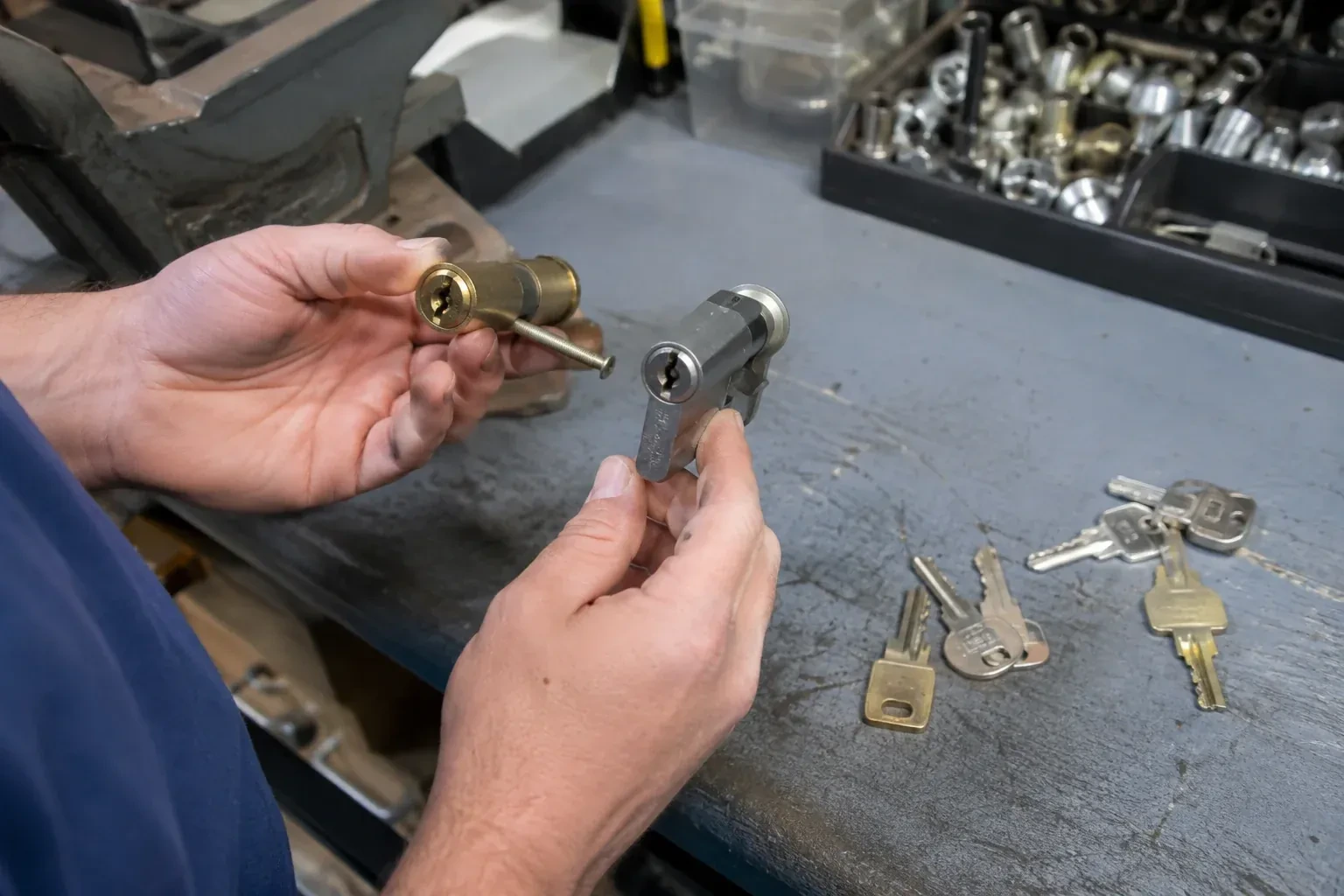
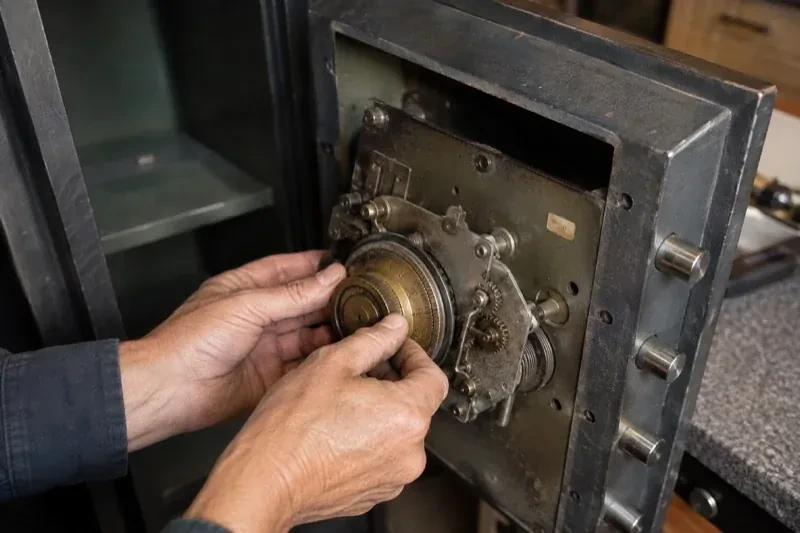
An inherited safe with no combination, a dial that has drifted, a keypad that stopped responding: each has a proper way in that preserves the box. We open, service and reset safes for homes and small businesses in Wexford, and explain how to keep the mechanism turning for the next owner.
An inherited safe with no combination, a dial that has drifted, a keypad that stopped responding: each has a proper way in that preserves the box. We open, service and reset safes for homes and small businesses in Wexford, and explain how to keep the mechanism turning for the next owner.
We look after the door, not just the lock.
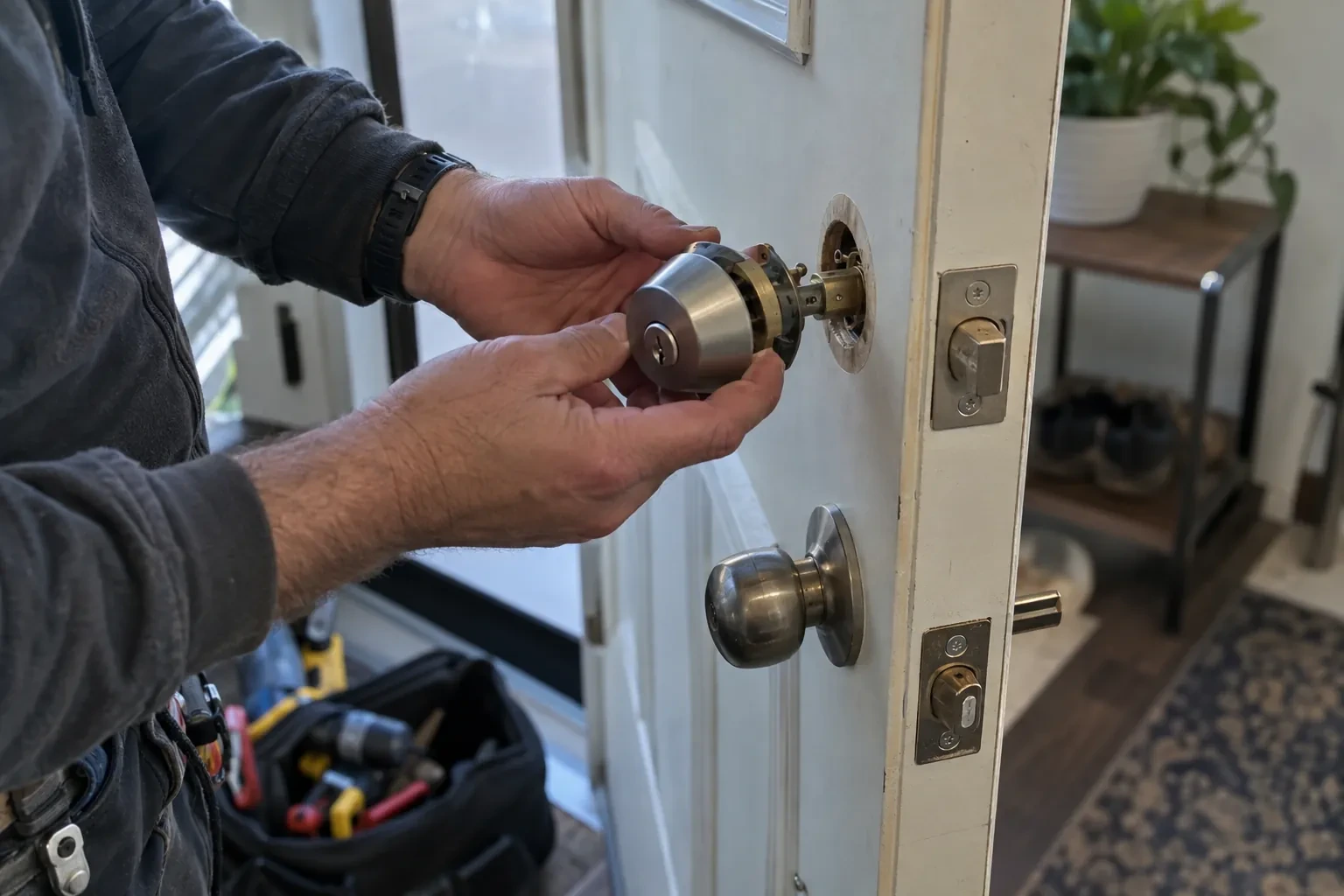
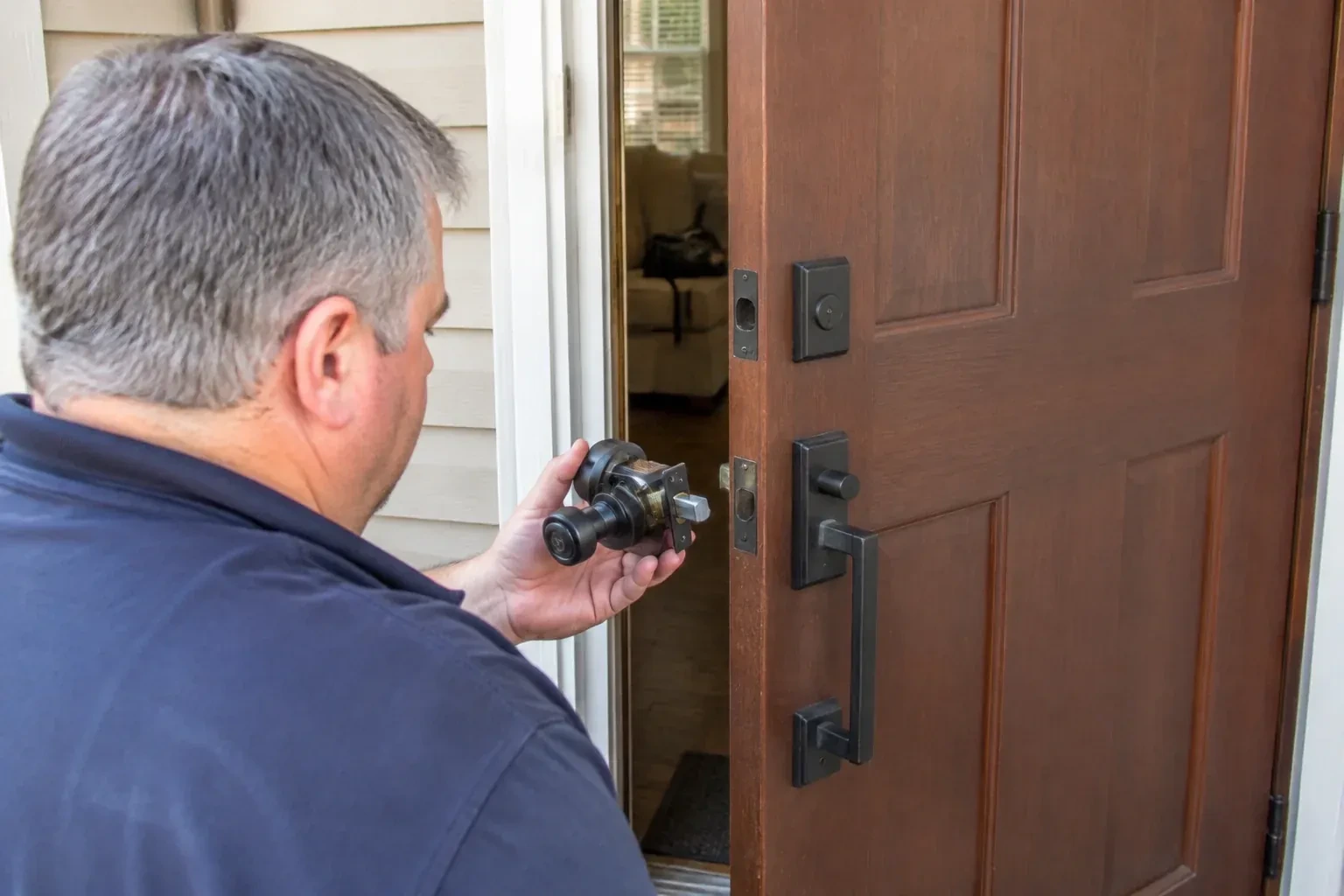
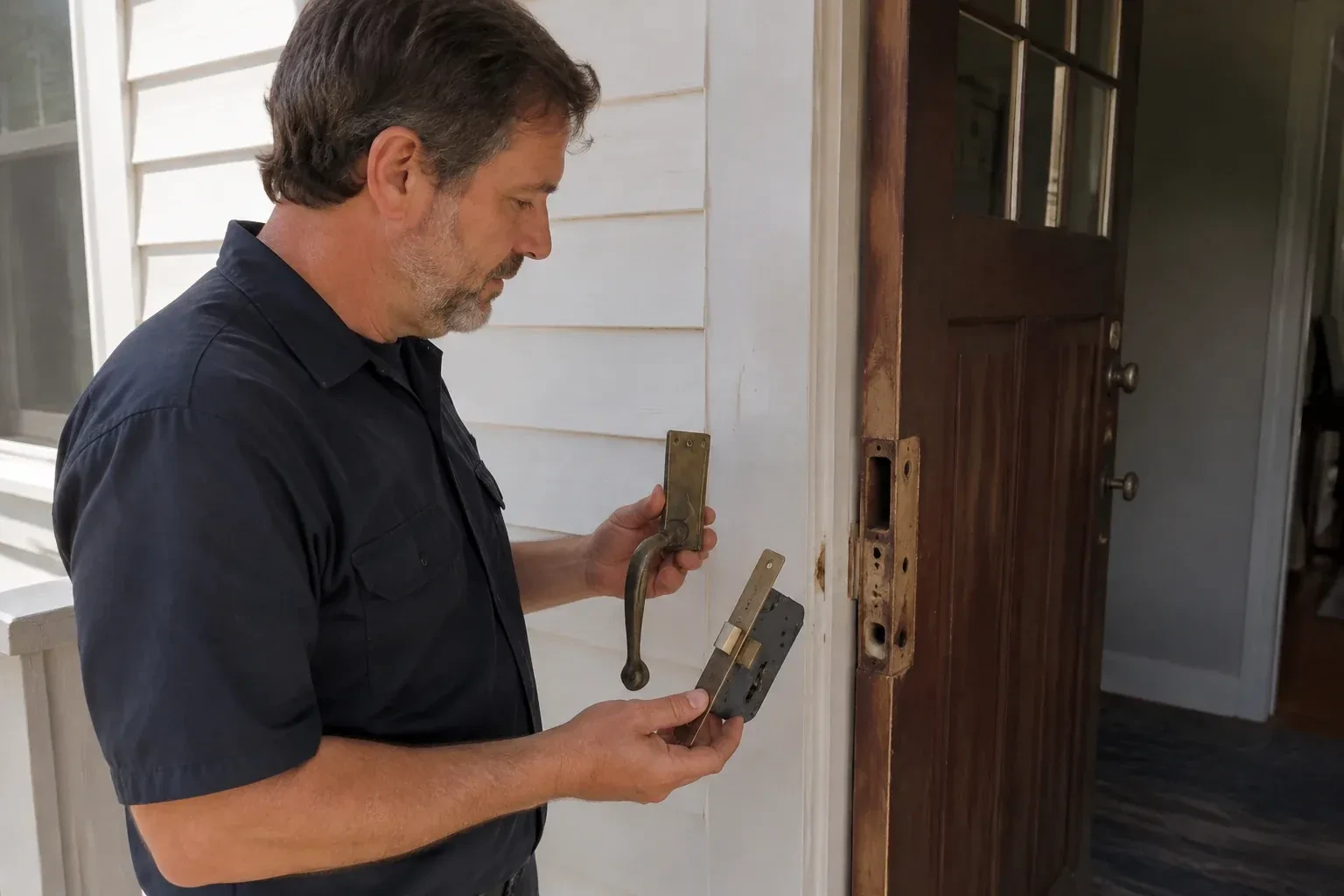
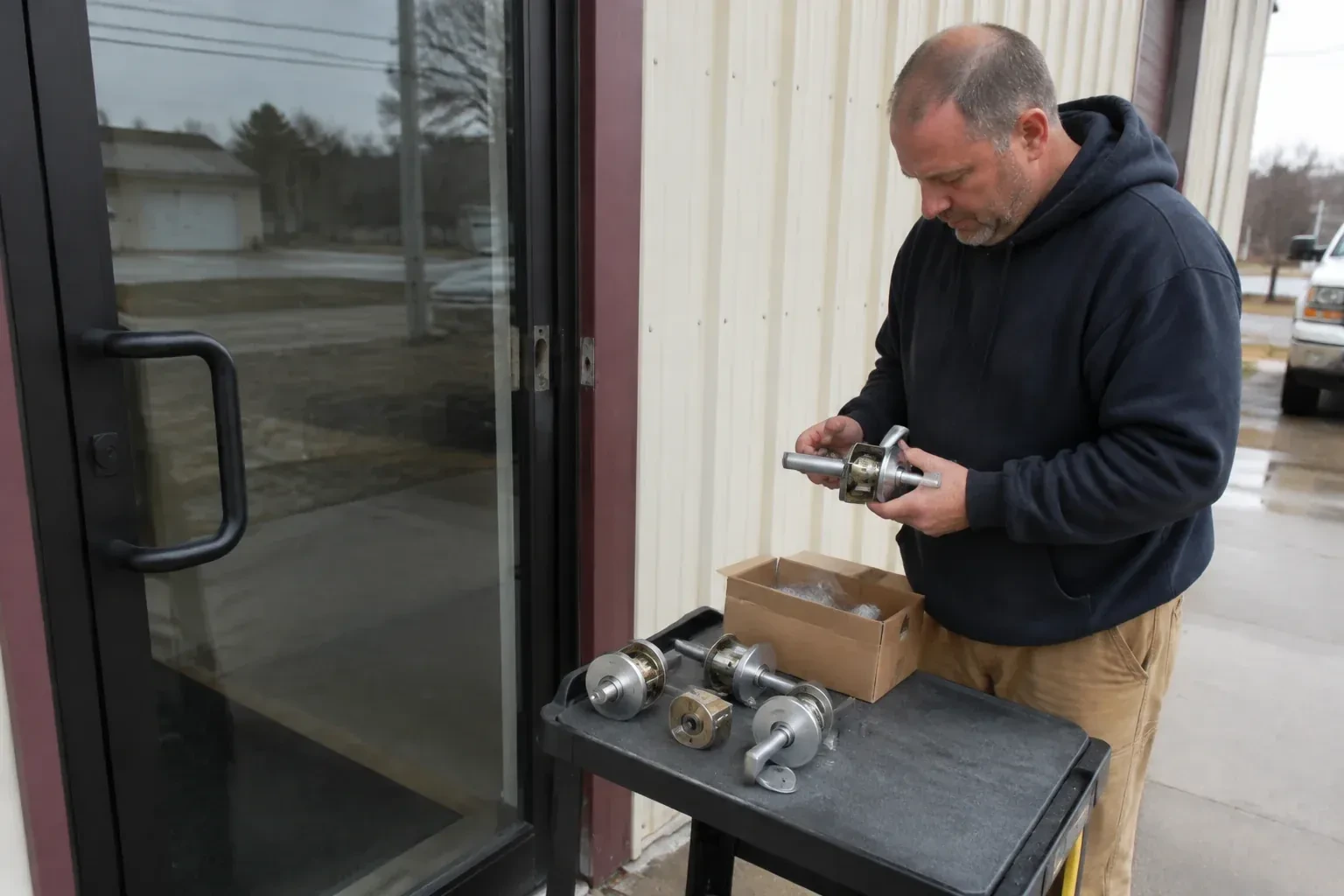
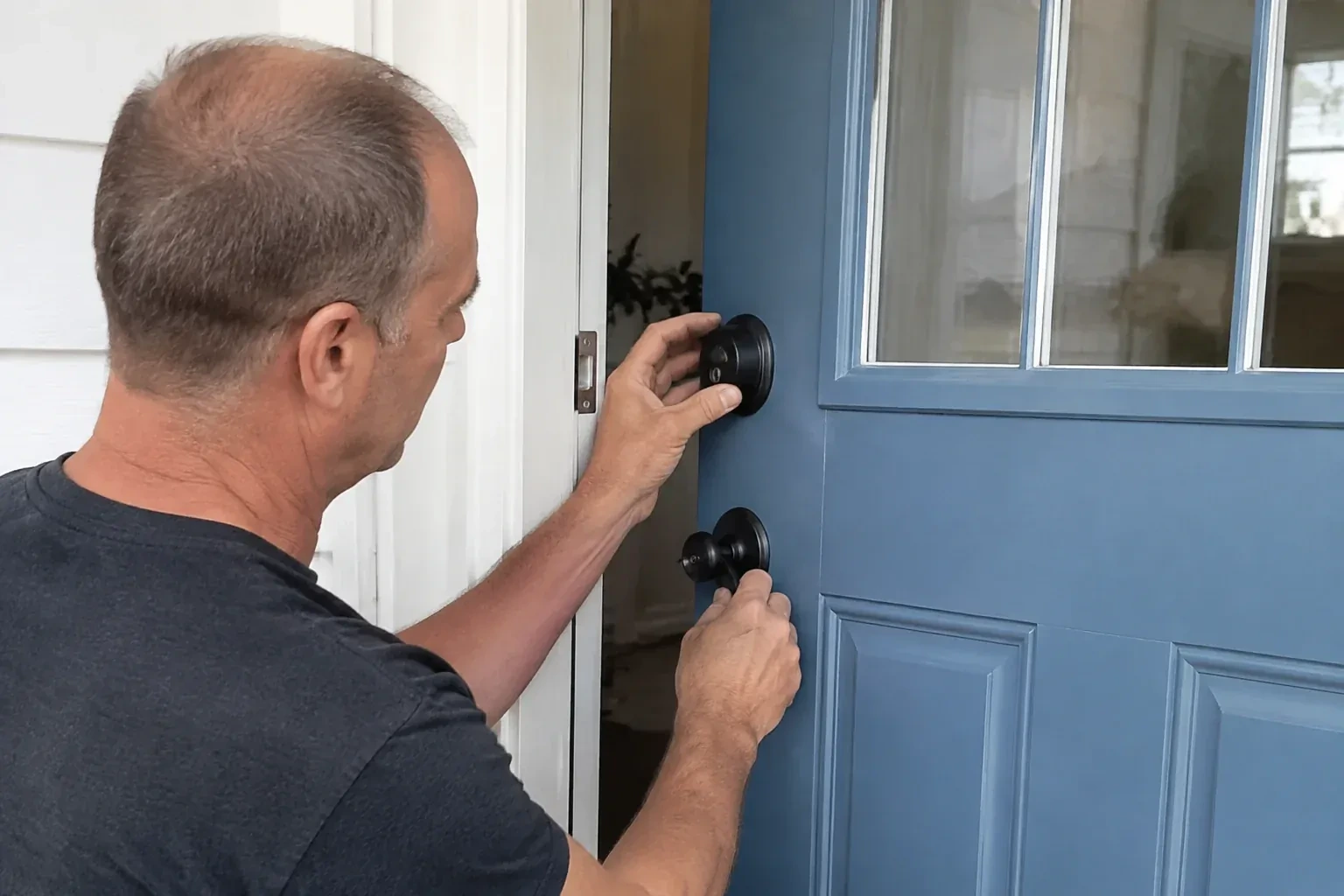
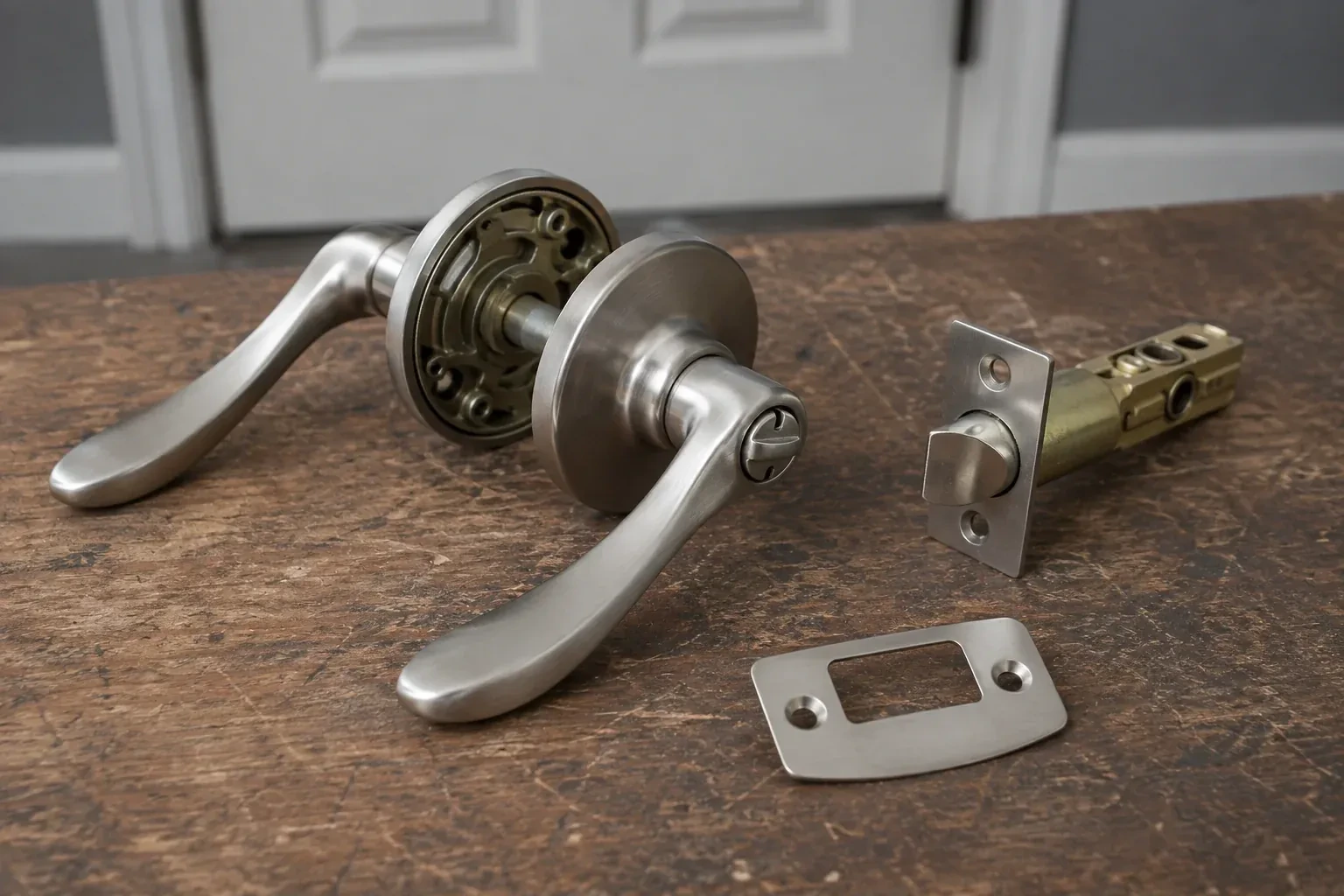
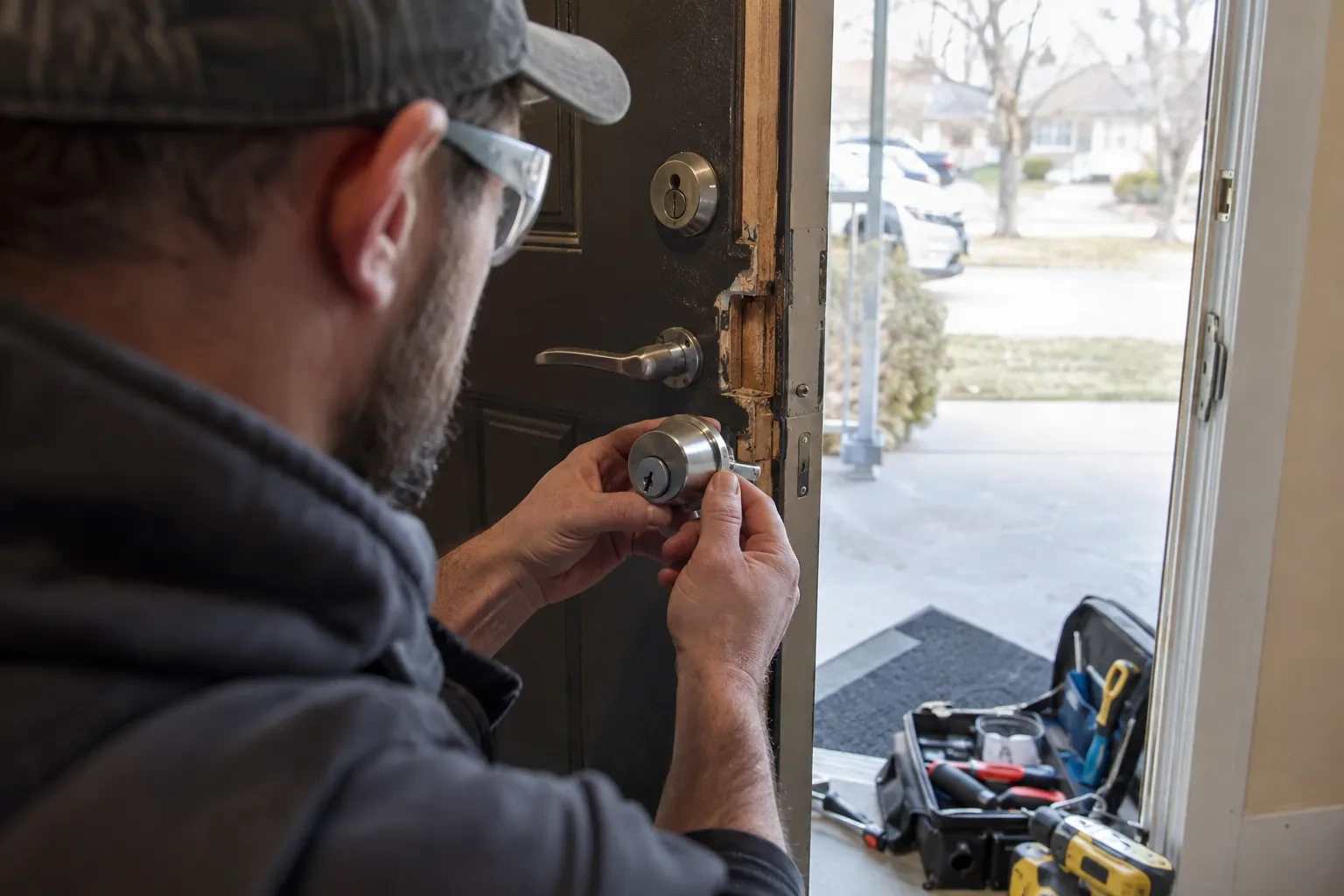
Hardware for Wexford homes is chosen for the door, not the catalogue. We look at the thickness, the bore, the backset, the swing and the finish already on the house, then bring options that fit without new holes or mismatched brass. The result looks as though it was always there, and it locks the way the door deserves.
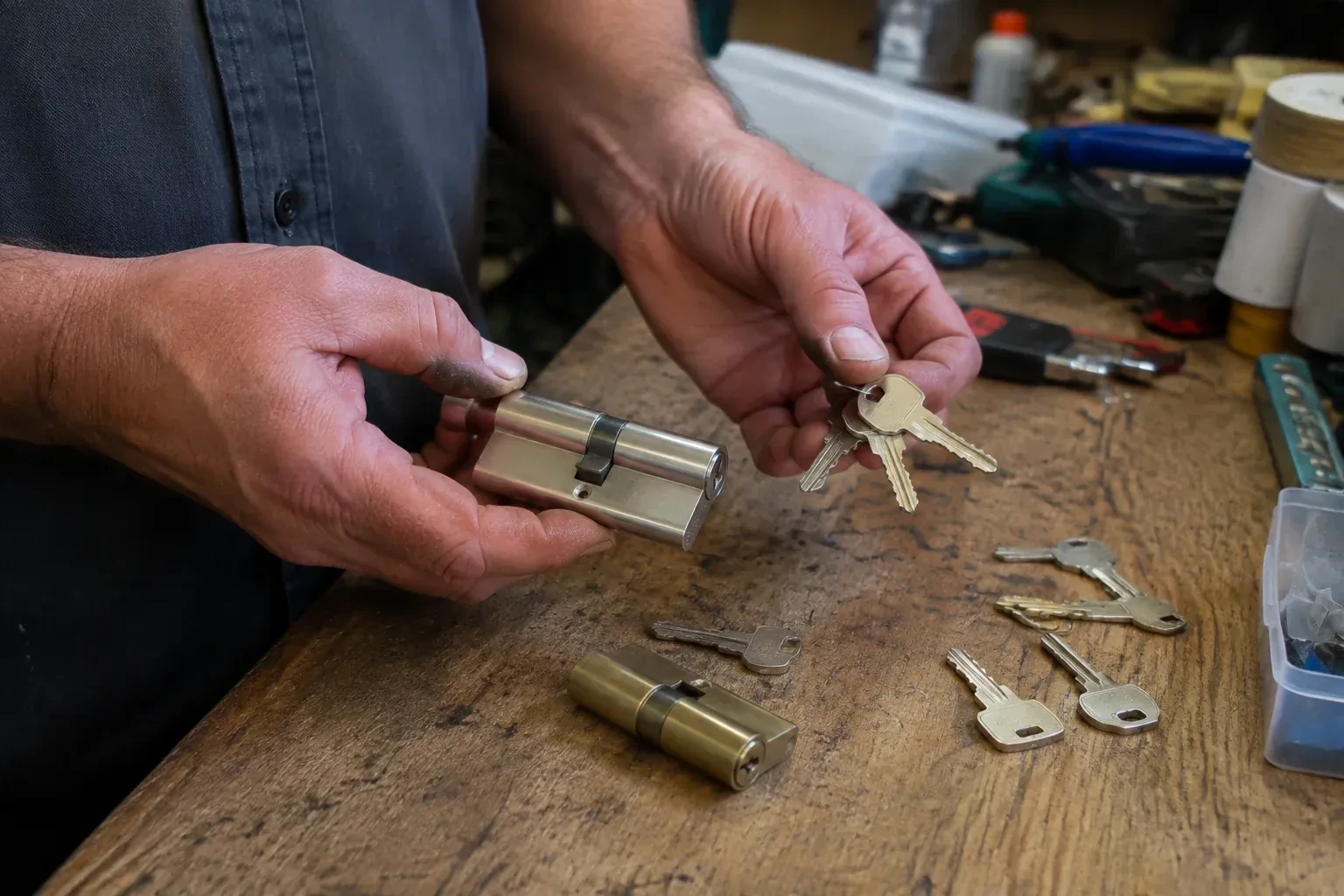
For homes in Wexford with a mix of locks collected over the years, we can bring order. Several cylinders can often be keyed to a single key, mismatched finishes replaced and doors that were never quite right adjusted so they close and lock without effort. You end the visit with one key in your pocket and a house that works as a set.
11years in business
24/7open every day
Explained before any tool comes out. You will hear what we found, what we suggest and why, before anything is changed. If you want a minute to think, take it.
Choices, not a single answer. Most problems have more than one fix. We lay out the practical options and the trade-offs, then let you choose the one that fits your home and budget.
A tidy doorstep. Shavings swept, packaging taken away, the old hardware offered to you or disposed of. The only sign we were there is a lock that works.
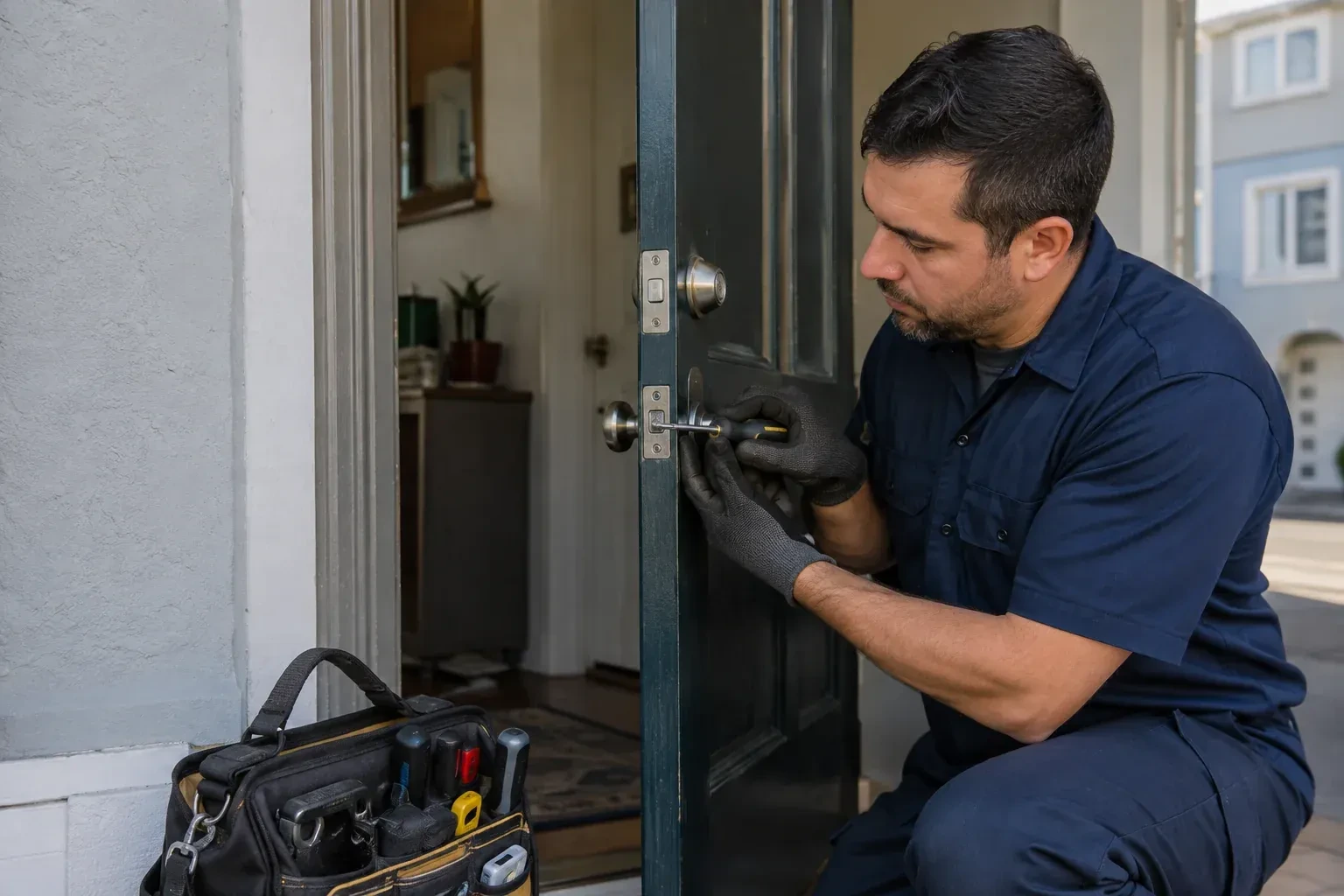
In Wexford the work spans everything on a door that turns, latches or bolts. Homes: lockouts, rekeys, replacements, deadbolts, smart locks, heritage hardware. Businesses: storefront locks, exit devices, closers, master key systems, safes. Read the service that fits and see how a visit runs from start to finish.
About 58% of homes in Toronto were built in 1980 or earlier, according to the 2021 Census.
Older homes
Basement and side entries on older homes were often fitted long after the house was built, with whatever lock was on hand. Bringing those doors up to the standard of the front entry, and onto the same key, is a common and satisfying job.
Single-detached houses make up about 23% of homes in Toronto (2021 Census).
Landlords and property managers dominate in attached housing, and they want keys organised. A locksmith sets up master systems so a manager carries one key while each tenant's key opens only their own door.
Rather than one purchase, think of high security as a run of decisions. Which doors, which cylinders, how many keys, who may order more, whether a safe belongs inside. We walk those decisions with you and write the answers down.
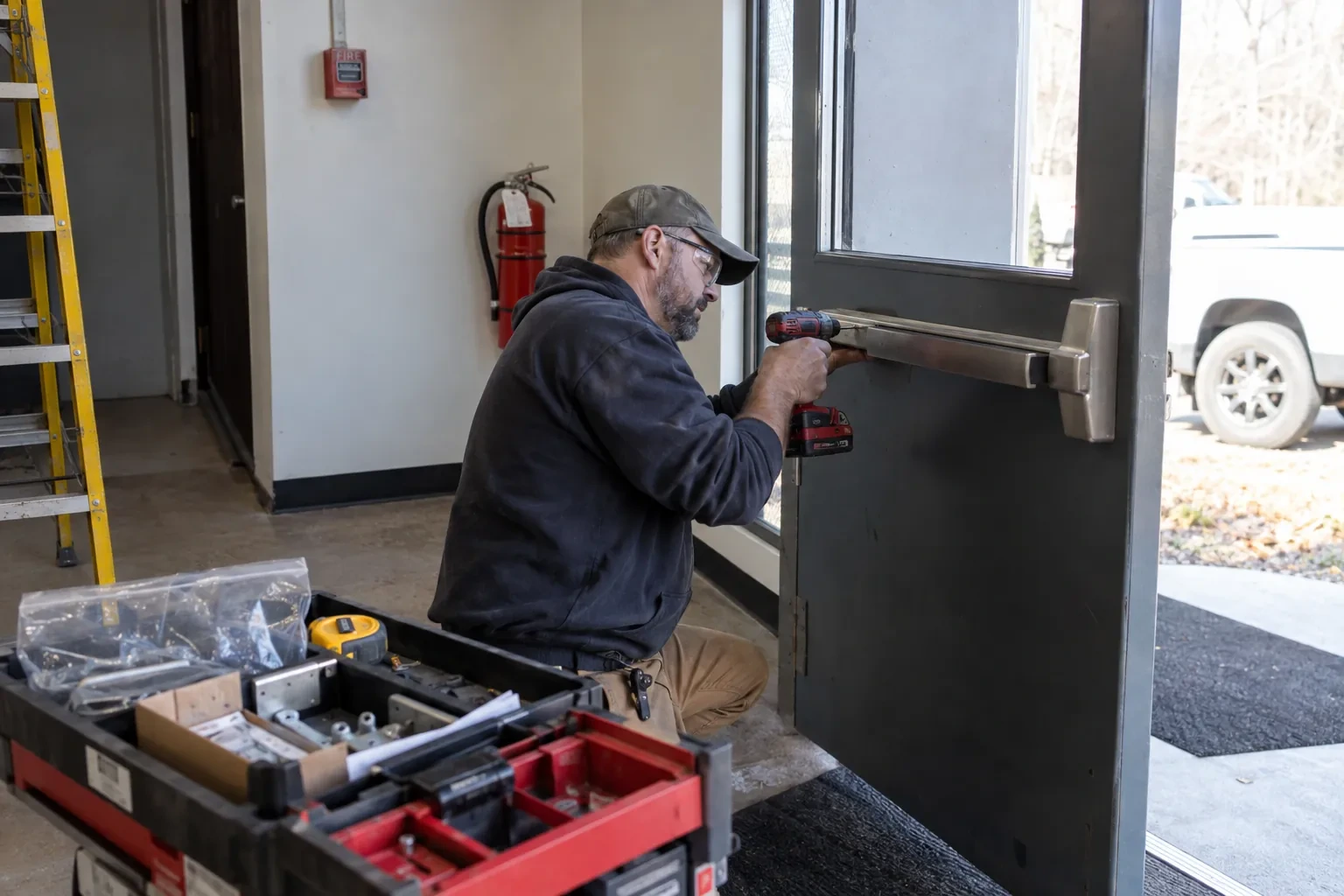
Doors with closers, exit devices, electric strikes and card readers have more parts to fail than a house door. When a commercial door stops behaving, we look at the whole assembly, find the part that is wrong and fix it without disturbing the rest.
The pharmacy's drop safe has a keypad that finally lost power for good, and the little override key that was supposed to live behind the counter cannot be found anywhere.
A homeowner inherited a heavy old dial safe from a parent's house, moved it into the new place, and has no idea whether the bolt-work still works, whether the lock is sound, or how it should be anchored.
Which fix fits?
You stepped out to grab the recycling bin and the door swung shut behind you.
WhyKeys are the part of the job people expect to be impossible, and they rarely are.
There are four copies of the front-door key floating around: one with the cleaner, one with a neighbour, one on a hook at your parents' place, and one you honestly cannot account for.
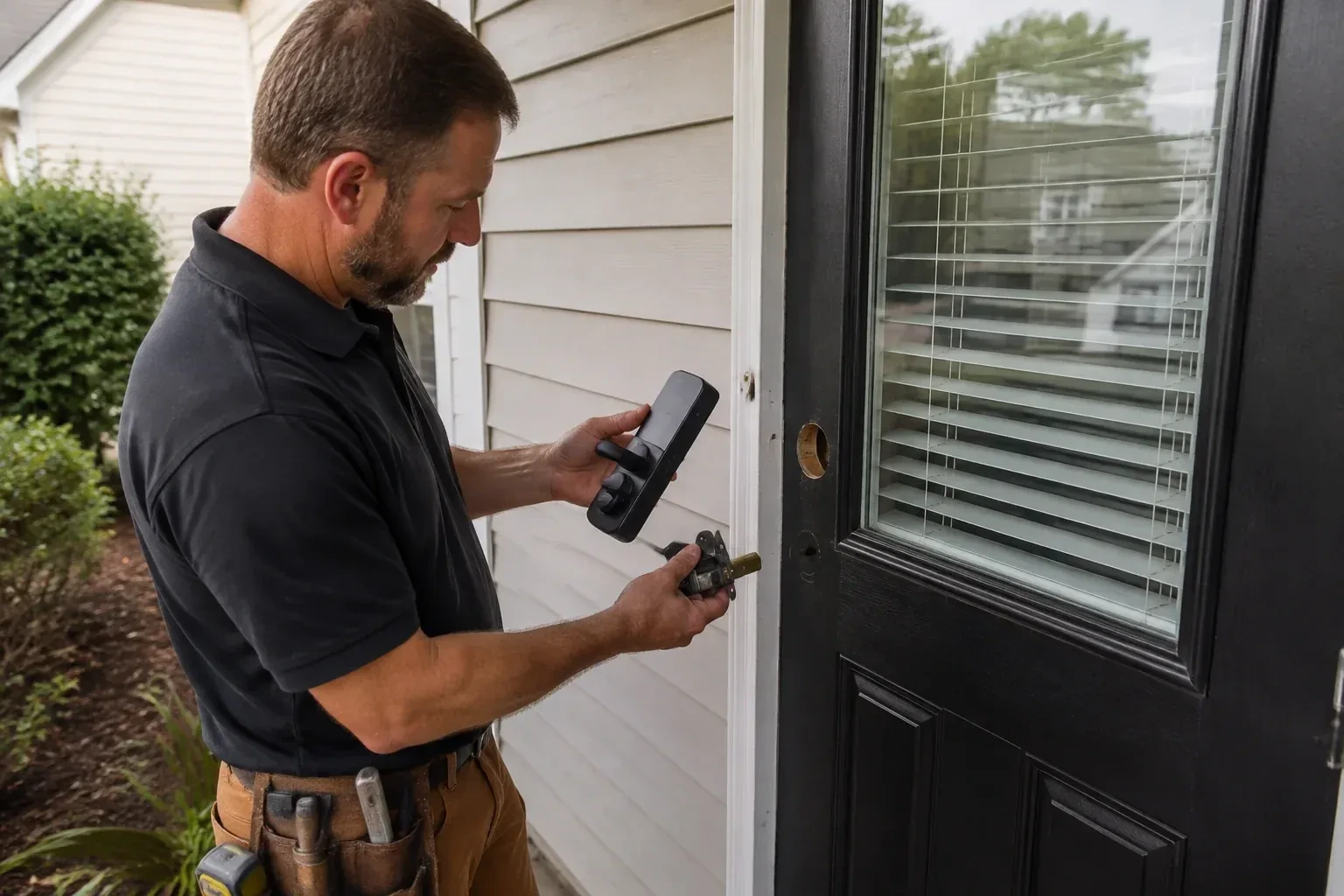
WhyMost of the skill in fitting a smart lock goes into the door rather than the electronics.
A dinner service ends with a stack of bills and a handful of credit slips, and right now they sit in an unlocked cash box on a shelf until morning, because nobody has gotten around to anything sturdier.
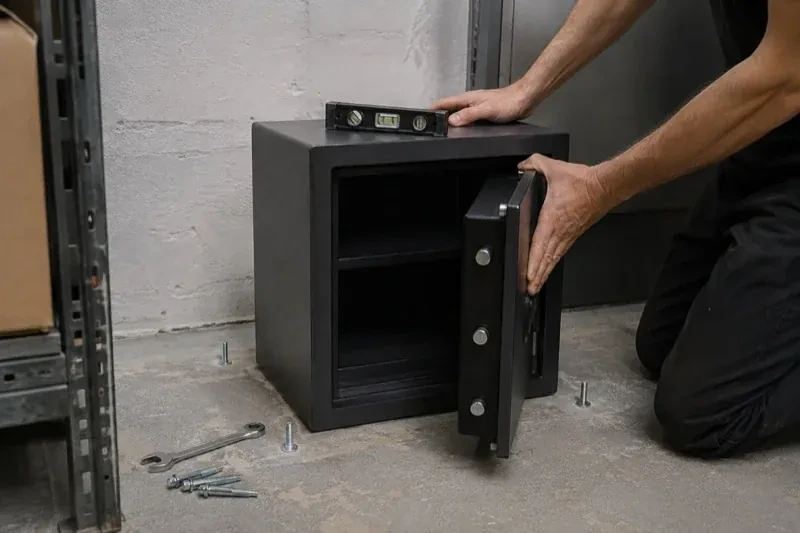
WhyFor a household bringing in its first real safe, the service covers everything between the empty spot on the floor and a working, anchored unit with a combination only the family knows.
Something went missing from the storeroom over a weekend, and when you ask who was in the building, the honest answer is anyone with a key.
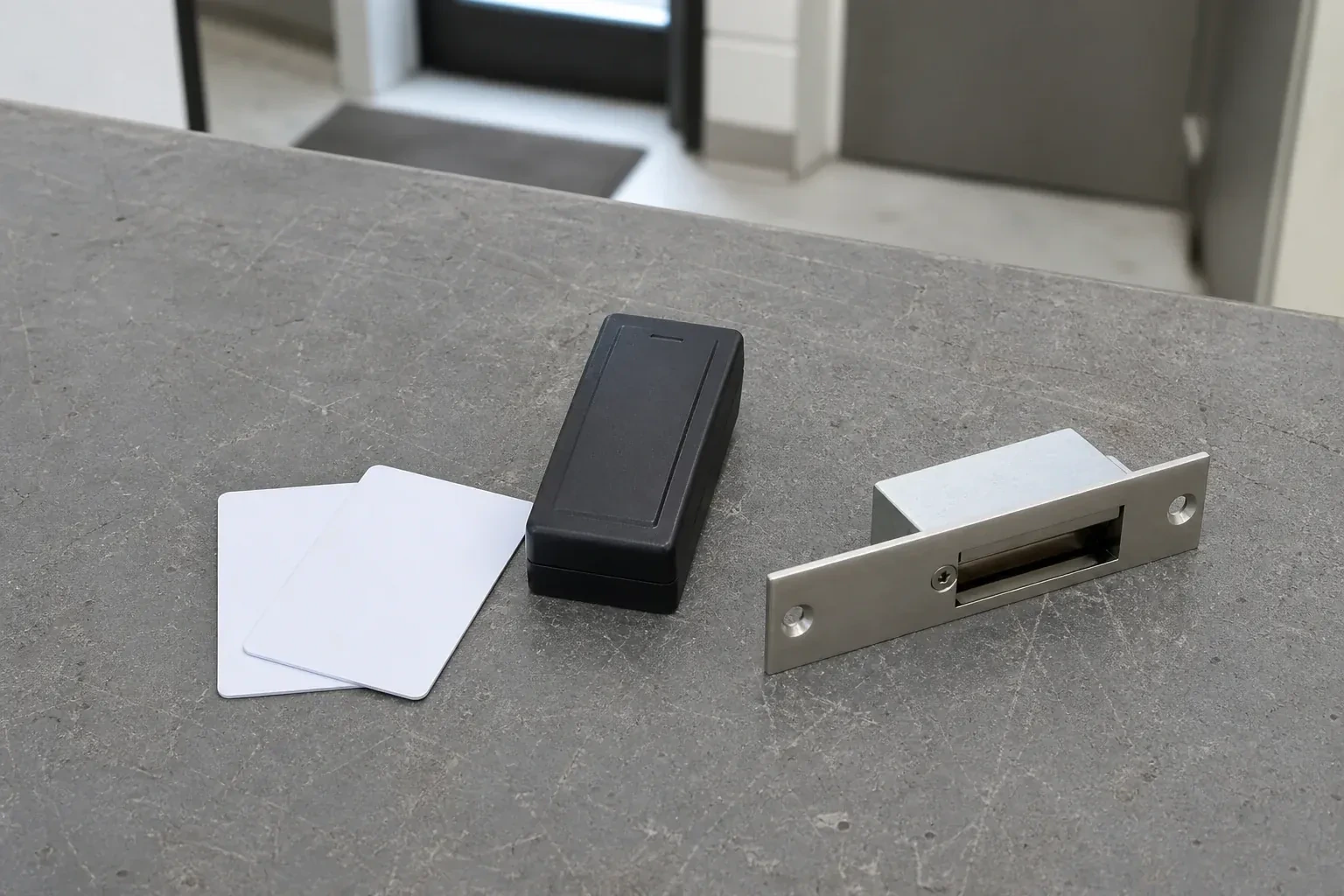
WhyCredentials take several forms, and most installations end up mixing them: a proximity card or fob held near a reader, a keypad code typed at the door, or a mobile credential read from a phone.
A padlock went on the stockroom's back door years ago for security and nobody has thought about it since, until the walkthrough this week pointed out that the same door is the room's only other way out.
WhySometimes the hardware is already there and simply needs honest attention.
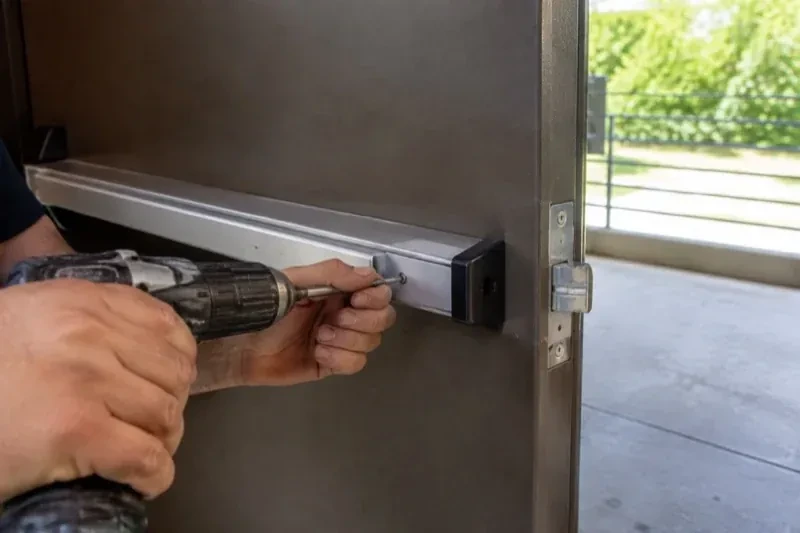
An inspection report flagged the rear exit as needing hardware that opens with one motion and no key, and that door currently has an ordinary keyed knob on the inside.
WhyFor a business running several locations, this service is often less about one broken lock and more about bringing every door onto a single, manageable key or interchangeable-core system.
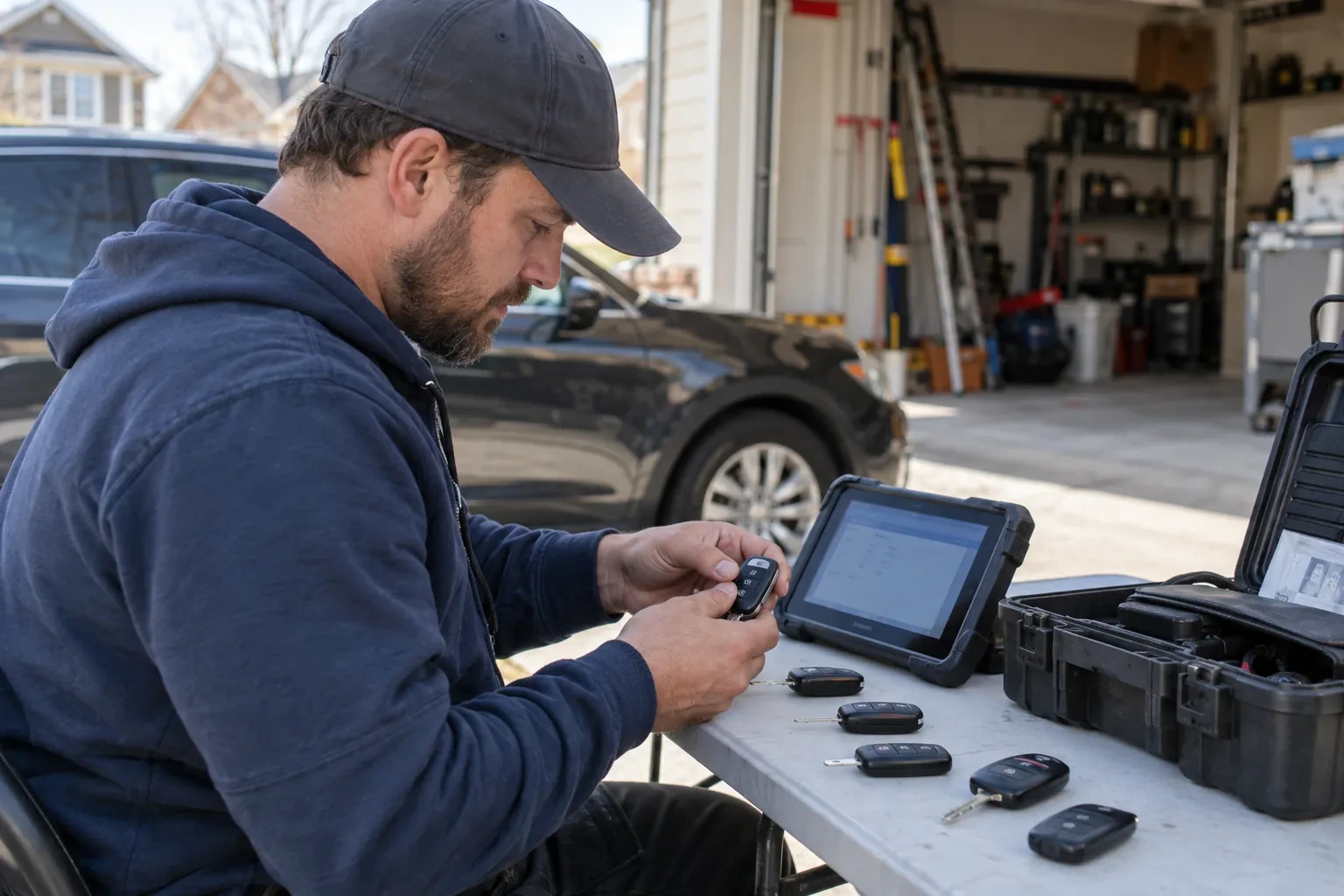
The key slides in fine and turns without any resistance at all, and the dash lights flicker, but nothing catches.
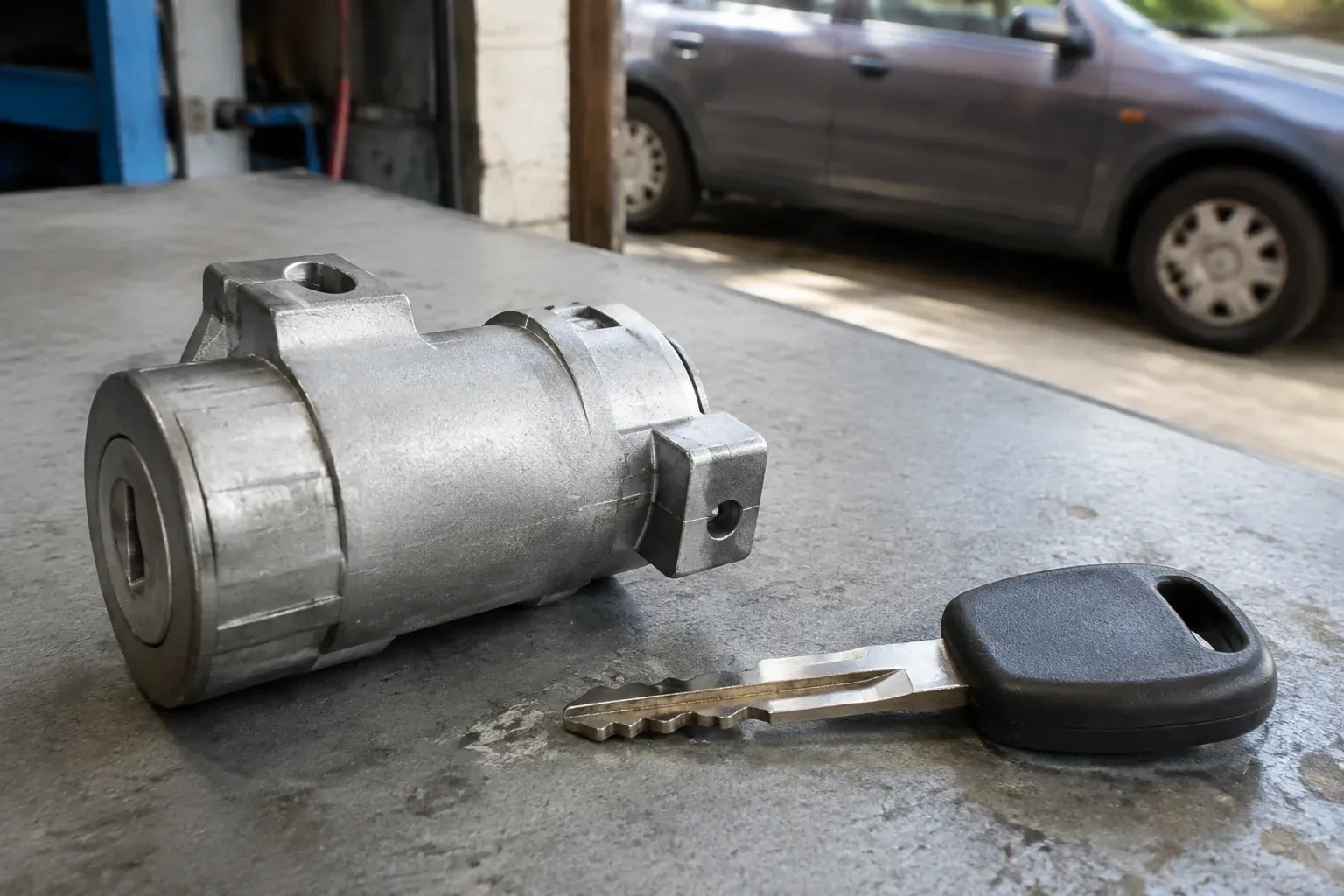
WhyWinters here add road grit, salt and moisture to the list of things an ignition barrel deals with, on top of ordinary wear from years of daily use.
Good days. Start with a turn.
1/9Home Lockout Service
You stepped out to grab the recycling bin and the door swung shut behind you. Through the glass you can see your keys hanging on the hook by the stairs, exactly where they always are, and the latch has caught.
The apartment key snapped mid-turn, leaving the cylinder twisted halfway between locked and open. The building manager's spare is somewhere across town and nobody else has a copy. You are on the wrong side of the door.
The old skeleton key still fits the keyhole, but it now needs a jiggle, a lean on the door and a little luck before the bolt moves. Last week it took three tries. You have one key and no idea where a second could come from.
There are four copies of the front-door key floating around: one with the cleaner, one with a neighbour, one on a hook at your parents' place, and one you honestly cannot account for. You would rather hand out codes you can switch off.
A dinner service ends with a stack of bills and a handful of credit slips, and right now they sit in an unlocked cash box on a shelf until morning, because nobody has gotten around to anything sturdier.
Something went missing from the storeroom over a weekend, and when you ask who was in the building, the honest answer is anyone with a key. There is no list, no time stamp, no way to narrow it down.
A padlock went on the stockroom's back door years ago for security and nobody has thought about it since, until the walkthrough this week pointed out that the same door is the room's only other way out.
An inspection report flagged the rear exit as needing hardware that opens with one motion and no key, and that door currently has an ordinary keyed knob on the inside.
The key slides in fine and turns without any resistance at all, and the dash lights flicker, but nothing catches. No click, no crank, just a key spinning loosely in a slot that used to grab hold of it properly.
Yes. A tenant locked out of their own unit can arrange entry directly, and the identification check is the same: something that ties you to the address, such as a lease, a bill or a piece of mail, plus photo identification. Where you may want to involve your landlord is any change to the lock afterwards, because tenancy rules in this province expect landlords and tenants to agree on lock changes and to share keys. A locksmith can note what was done for the building manager.
How long does the extraction usually take?
It depends on how the piece is sitting. A protruding fragment in a plug at rest can be out in moments. A deep piece behind lifted pins takes patient work with hooks and spirals. A glued or corroded fragment may mean removing the cylinder and freeing it from behind. Cutting and testing the new key, and any door adjustment, add their own time. The locksmith gives a sense of it after the first look.
How should I look after the lock once it is serviced?
A drop of the right lock oil into the latch and bolt once a year is plenty. If the lock has a pin-tumbler cylinder, use whatever lubricant that cylinder's maker specifies, since some take a dry graphite or PTFE product and others a specified liquid one. Try the latch and deadbolt each spring and fall; if the bolt starts to scrape, the strike wants a small adjustment before anything is strained. Keep bit keys out of a pocket where they bend.
Can I install a smart lock myself?
Many people do, and on a door that already closes perfectly with the standard holes the instructions are manageable. Where a locksmith earns their place is everything around the box: recognizing a bolt that drags before it wears out a motor, enlarging or filling holes cleanly, fitting a reinforced strike, rekeying the override so the old key retires, and setting up the account and codes in a way that is easy to manage later. If you have started and hit a snag, that is a normal call too.
What kind of floor can a safe be anchored to?
Solid concrete is the most straightforward surface, taking a masonry anchor bolt directly. A wood subfloor works too, provided the anchoring reaches into the floor joists beneath the surface layer rather than just the plywood or the flooring on top. Tile is the awkward case, since a bolt through it tends to crack the surrounding tiles, and an alternative anchoring point or a different spot in the room is usually the better route there.
Who keeps administrative control of the software after installation?
The business does. Handover includes a full administrator account with the ability to add and revoke credentials, change schedules, and pull an entry log, confirmed working before the locksmith leaves. Whether the installer keeps any support or portal access beyond that is a setting agreed with the business, not a fixed feature of every system, so it is worth confirming as part of that handover.
Does a retrofit into an older building work the same way as new construction?
The device and trim choices are the same, but a retrofit usually has to work with a door and frame that already carry someone else's old hardware preparation. Reading what holes and reinforcement already exist, and choosing a device that can use or cleanly replace them, is a bigger part of a retrofit than of a new opening built with the hardware in mind from the start.
Why would my business need panic or exit hardware?
Once a space holds enough people, or handles a high enough hazard, its exit doors need to open with a single motion and no key, which is what panic or exit hardware provides. It is not a preference; it is a function tied to how many people the space is built to hold and what is happening in it.
What if there are scratches or damage around my ignition slot already?
That is noted honestly before any work begins, since it often means an earlier attempt was made on the lock. Damage like this usually points toward a full cylinder and housing replacement rather than a simple service, because the internal parts of a lock that has already been forced are rarely trustworthy afterward. You are shown what was found before deciding how to proceed together.
Request a visit
Hardware for Wexford homes is chosen for the door, not the catalogue. We look at the thickness, the bore, the backset, the swing and the finish already on the house, then bring options that fit without new holes or mismatched brass. The result looks as though it was always there, and it locks the way the door deserves.