Locksmith in Toronto, OntarioSecurity that fitsthe way you live.
A family with teenagers, a couple who travel, a home-based business with clients at the door: each needs something different from its locks. We ask how the house is used before suggesting hardware, so the result fits your routine instead of fighting it.
A family with teenagers, a couple who travel, a home-based business with clients at the door: each needs something different from its locks. We ask how the house is used before suggesting hardware, so the result fits your routine instead of fighting it.
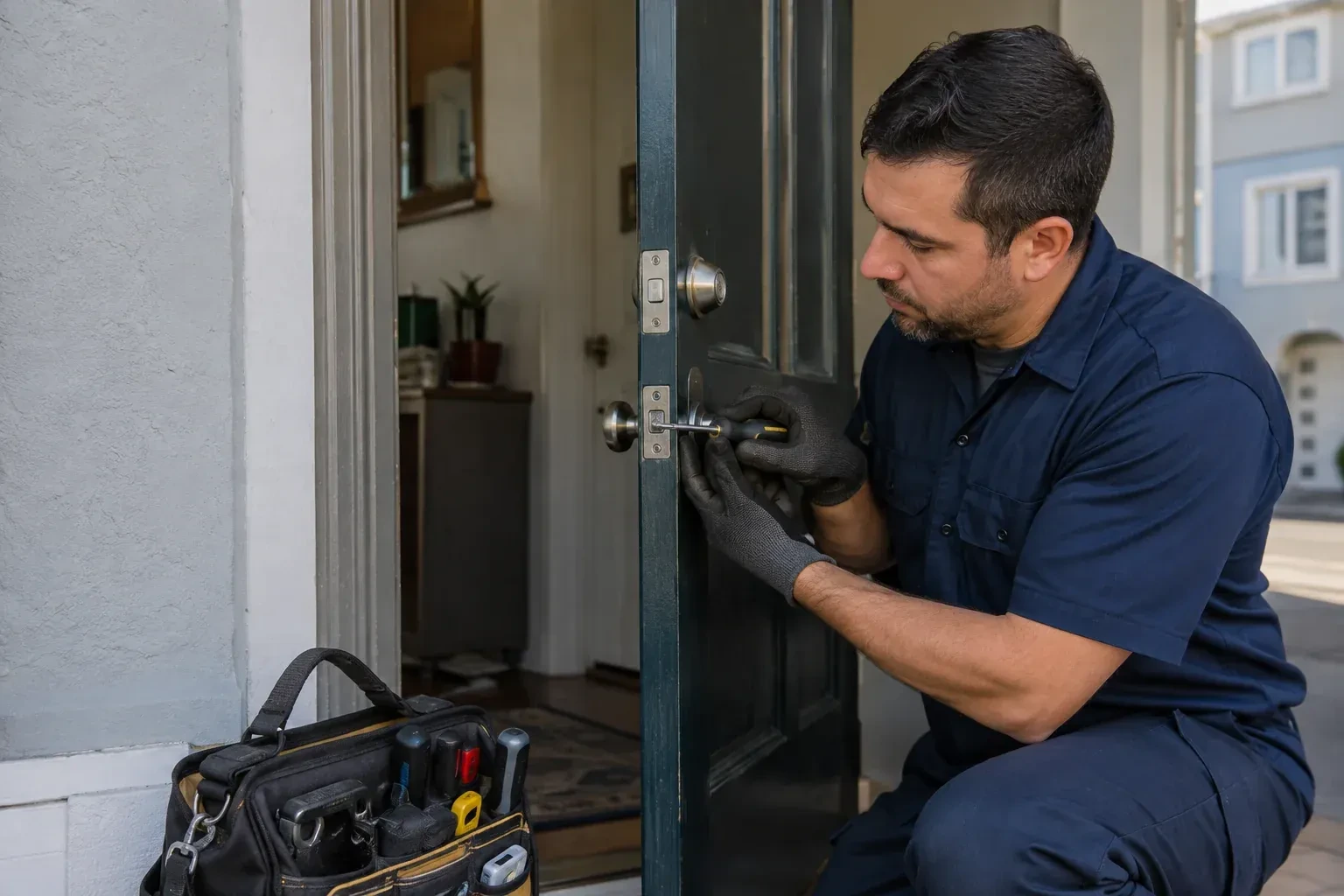
We look after the door, not just the lock.
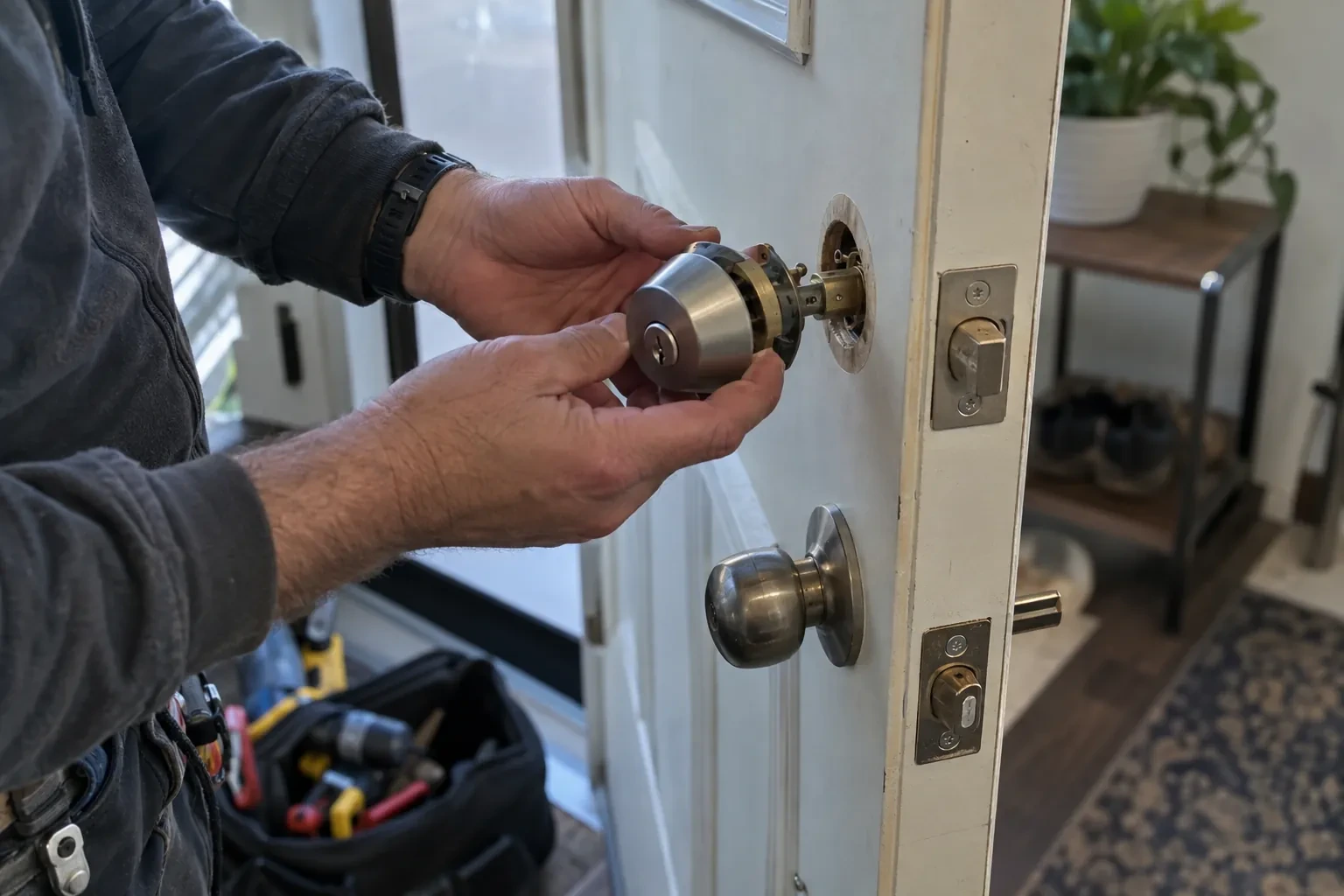
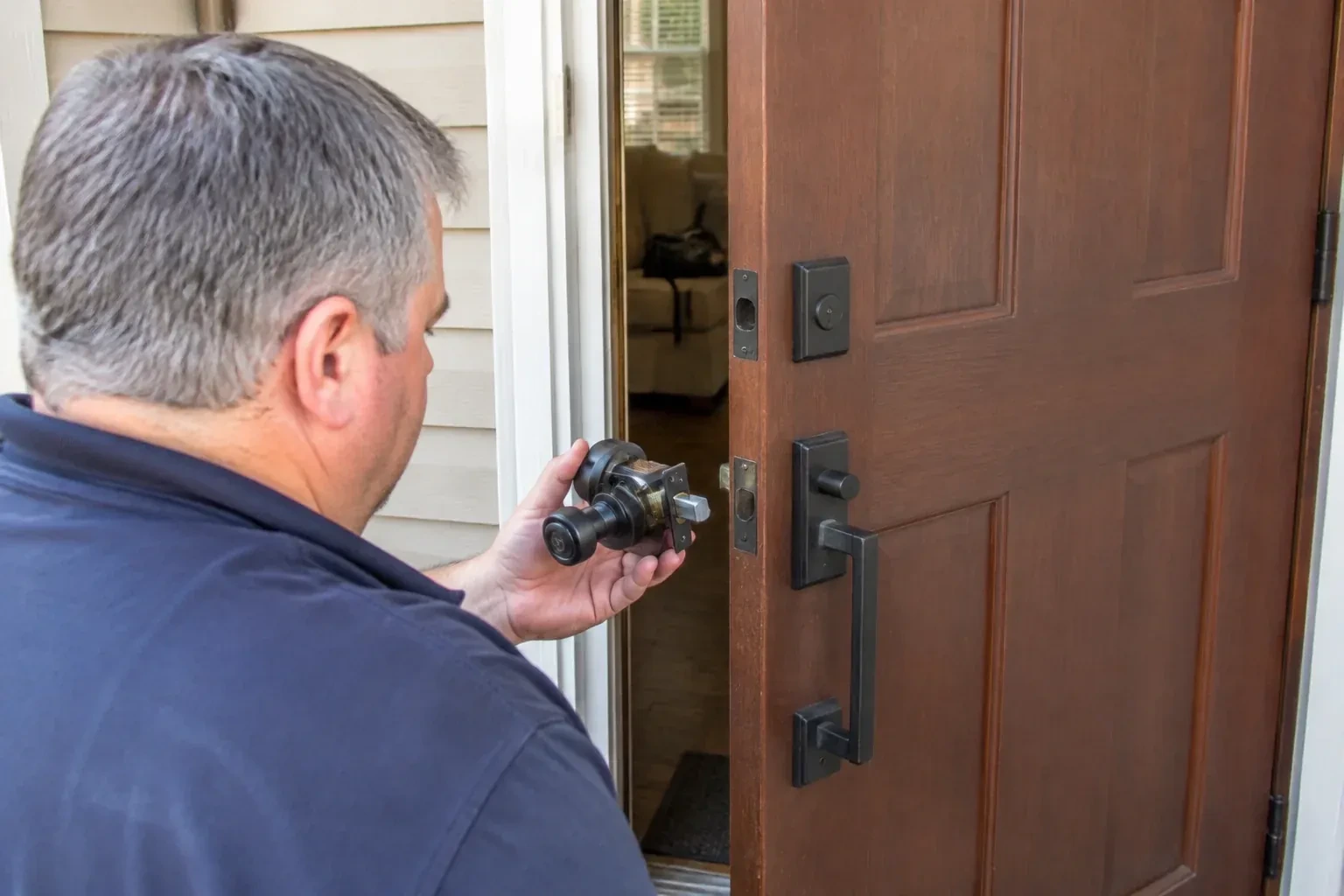
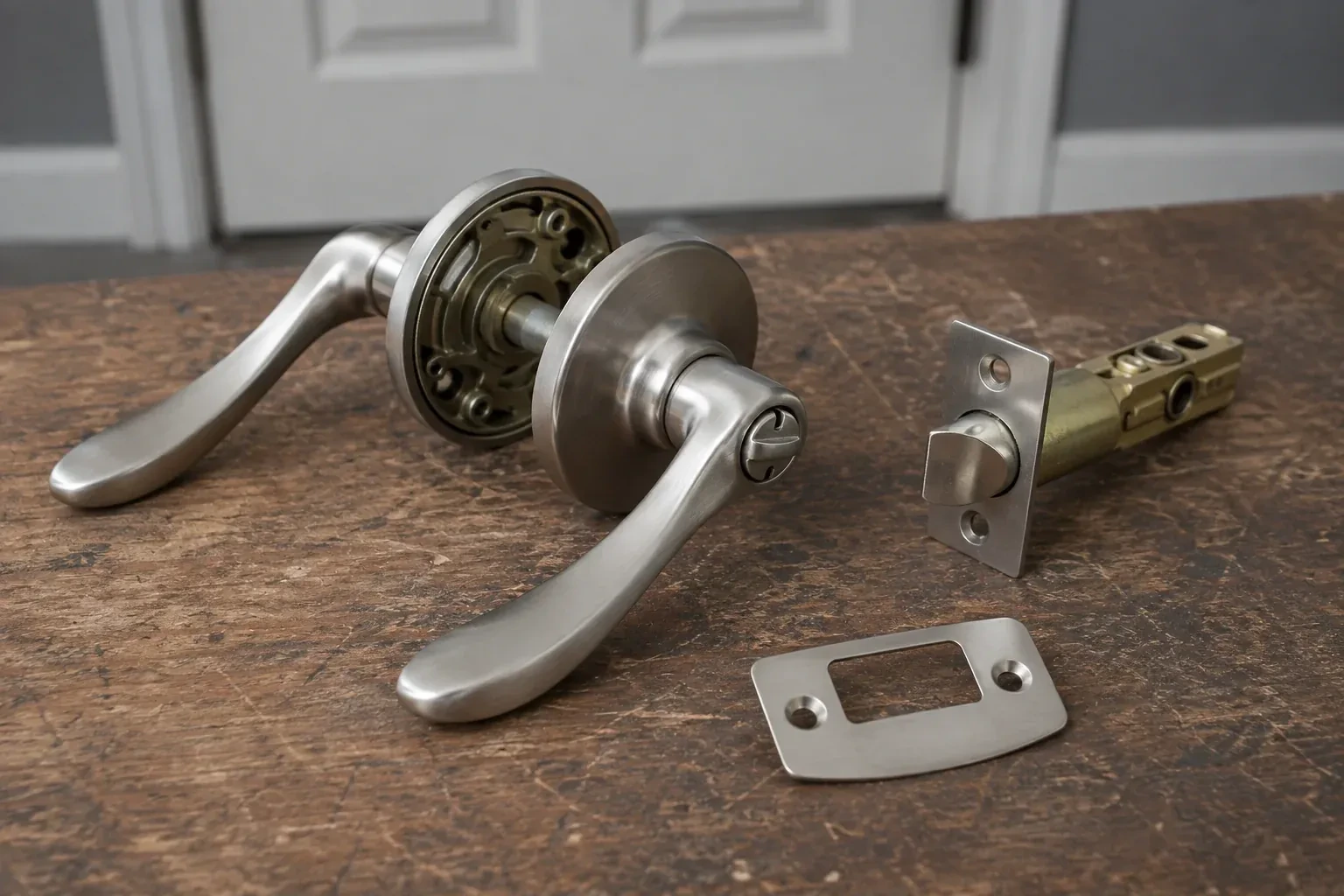
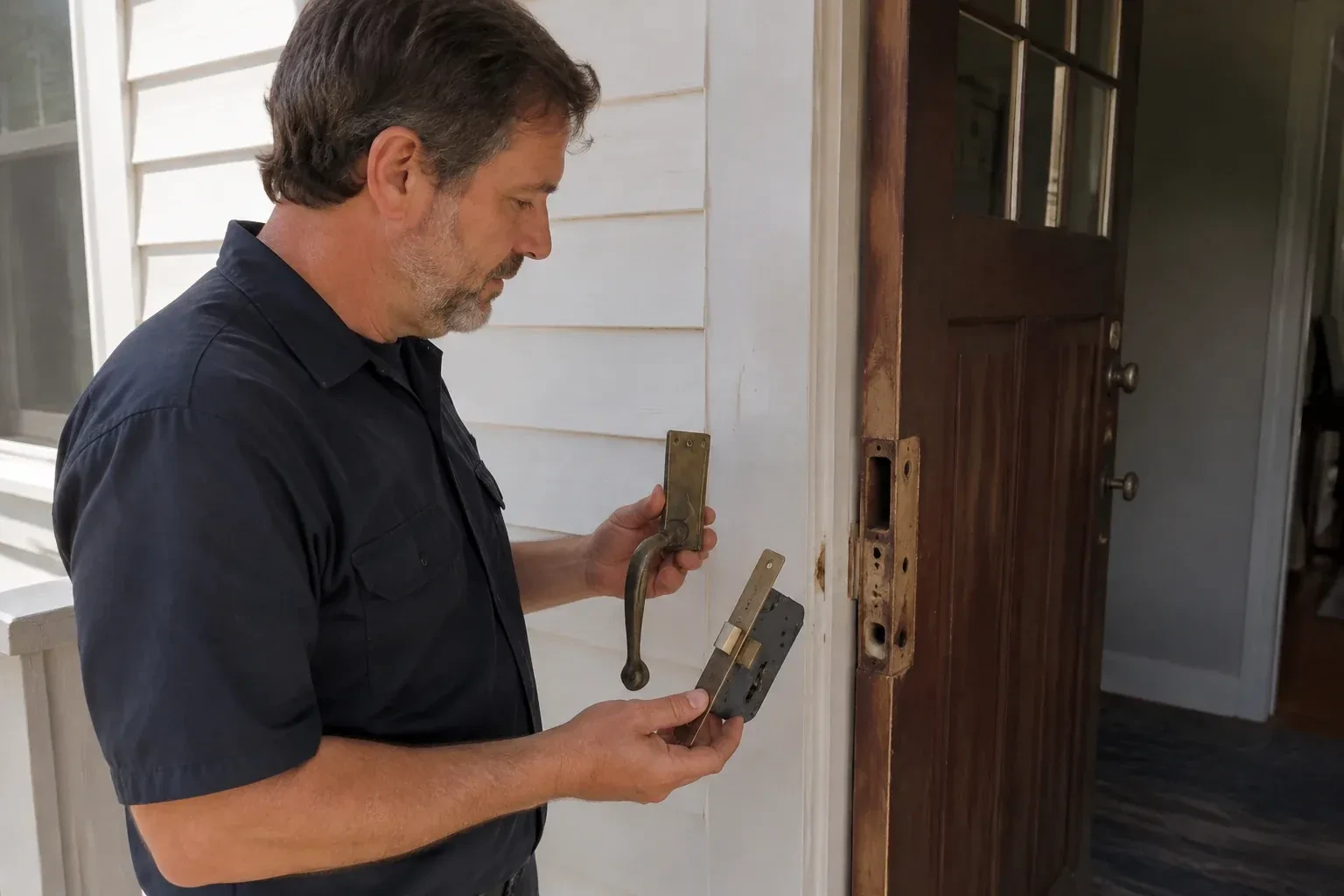
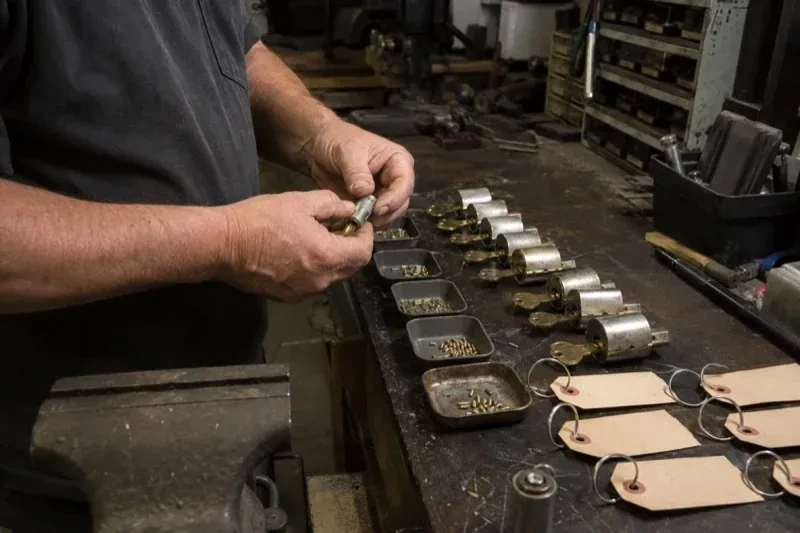
Older houses around here have older doors, and older doors have their own logic. A mortise lock from the 1920s was built to be serviced, not thrown away, and a rim lock on a back porch may simply need cleaning and a new spring. We carry the parts and the patience to keep original hardware working, and we say so when replacement is the wiser route.
The key you reach for. The door you come home to. Good locksmith work begins with understanding how you use them.
11years in business
24/7open every day
Explained before any tool comes out. You will hear what we found, what we suggest and why, before anything is changed. If you want a minute to think, take it.
Choices, not a single answer. Most problems have more than one fix. We lay out the practical options and the trade-offs, then let you choose the one that fits your home and budget.
A tidy doorstep. Shavings swept, packaging taken away, the old hardware offered to you or disposed of. The only sign we were there is a lock that works.
Think of this page as a menu rather than a manual. You do not need to know the name of the part or the type of cylinder in your door. Pick the section that sounds closest, read what the visit looks like, and we will fill in the details together.
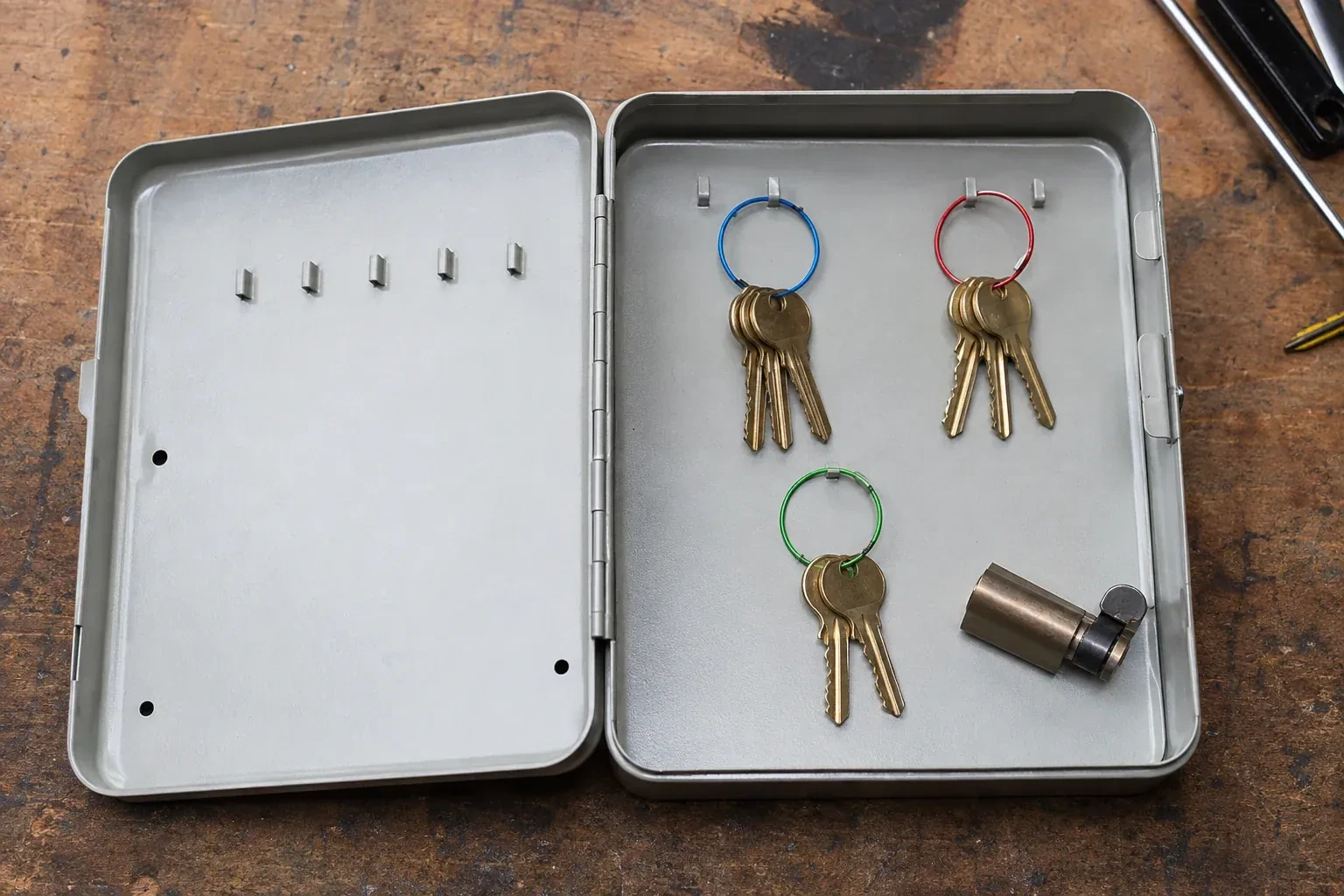
The manager's key ring went missing somewhere between the bank and the car, and the master on it opened every door in the building. Until the cylinders are changed, whoever finds it is holding the run of the place.
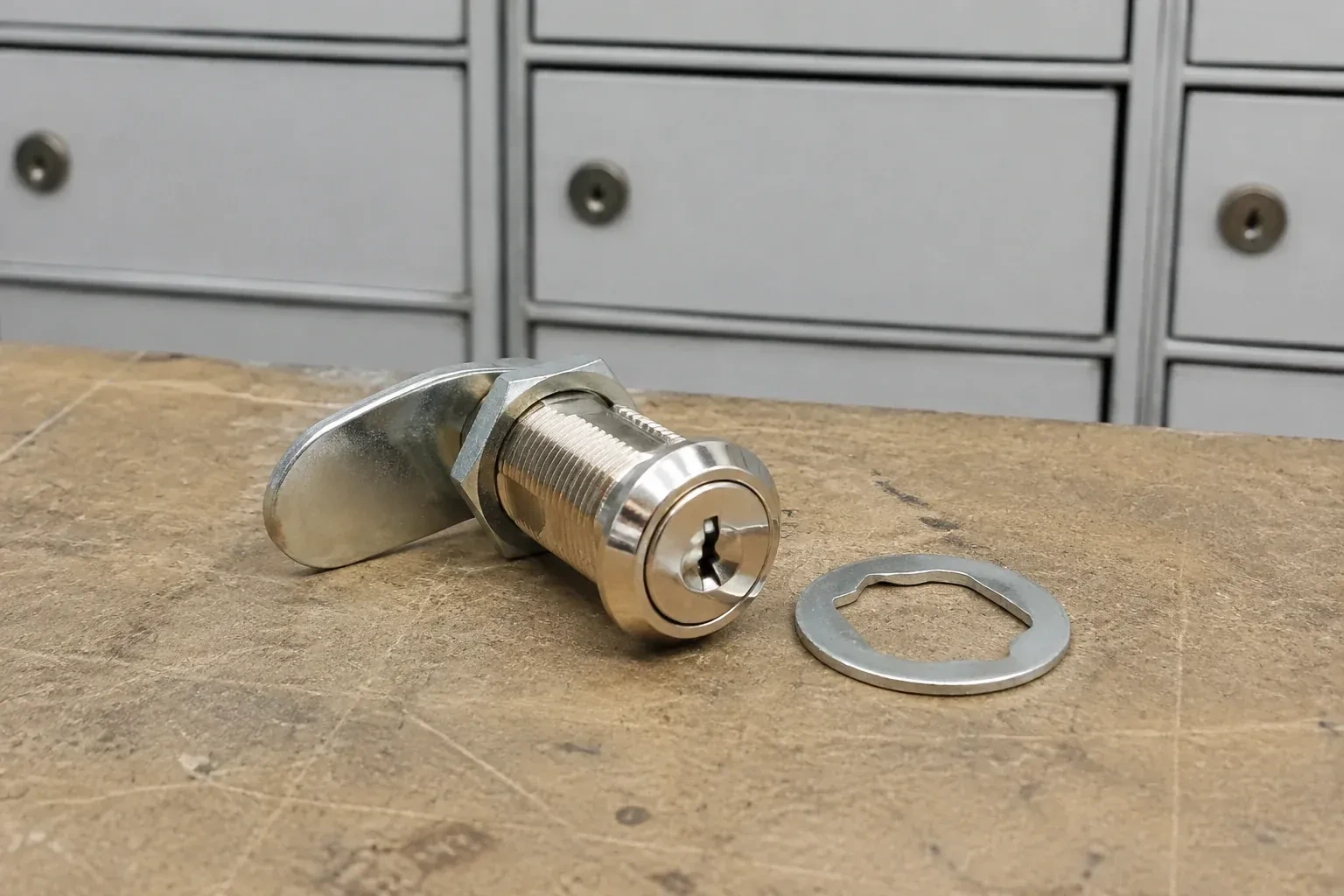
The restricted keys you bought years ago are no longer restricted; the locksmith mentioned the patent has run out and blanks are sold openly. Your key control quietly stopped being control.
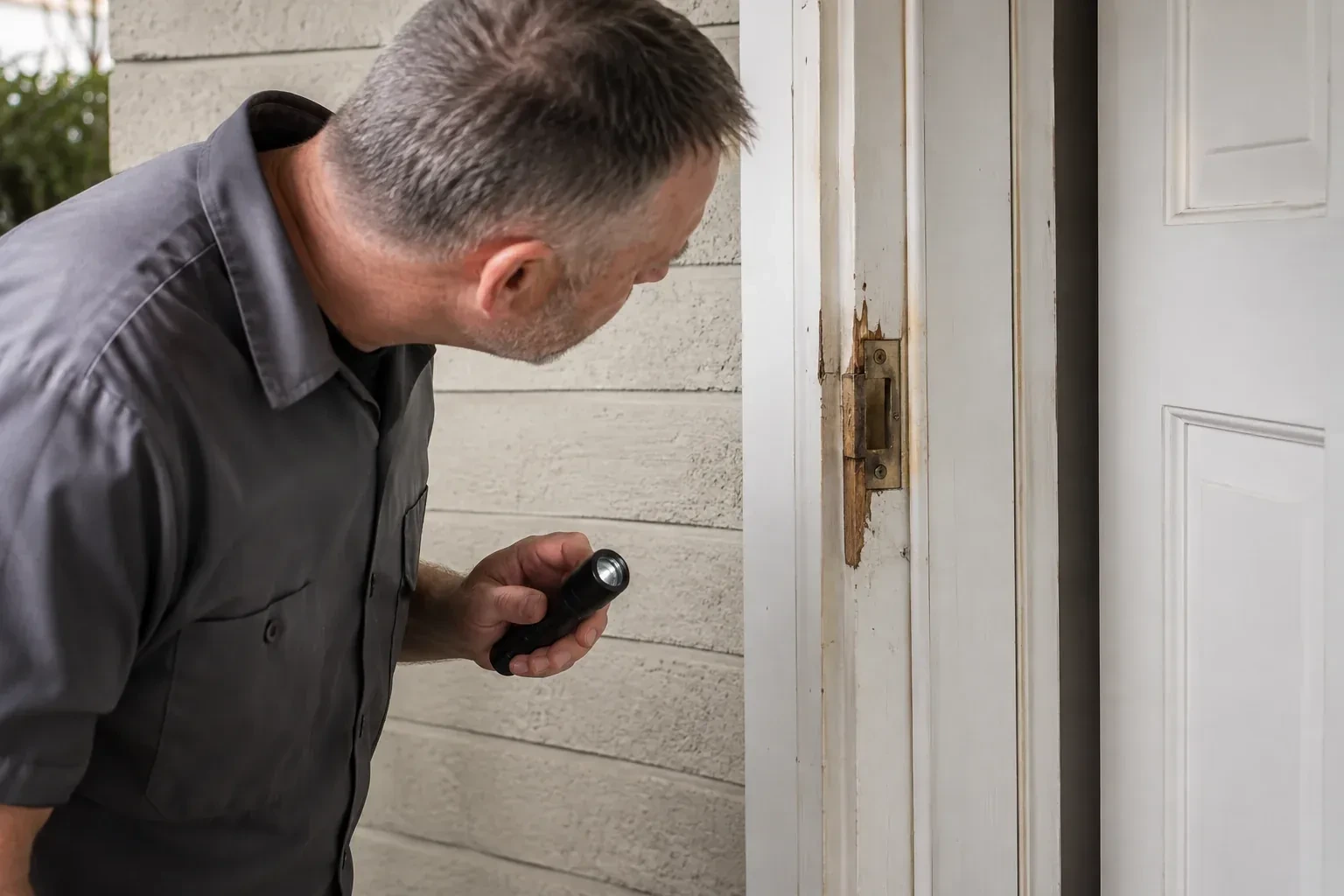
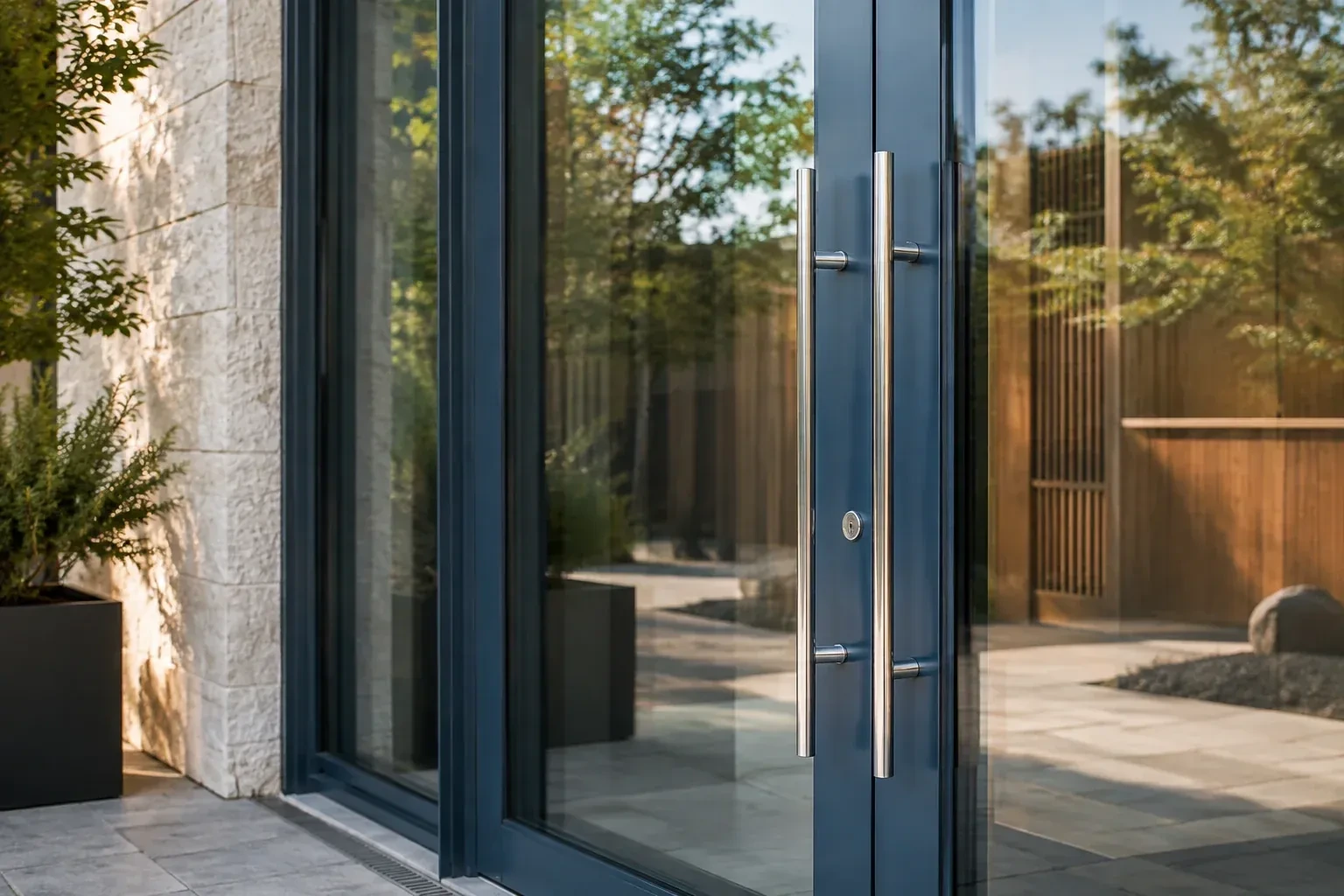
The heavy glass door has been scraping the threshold for weeks. This morning the key turns, you can hear the bolt trying to move, but it is jammed hard in the strike and the door stays shut no matter how the handle is pulled.
Rather than one purchase, think of high security as a run of decisions. Which doors, which cylinders, how many keys, who may order more, whether a safe belongs inside. We walk those decisions with you and write the answers down.
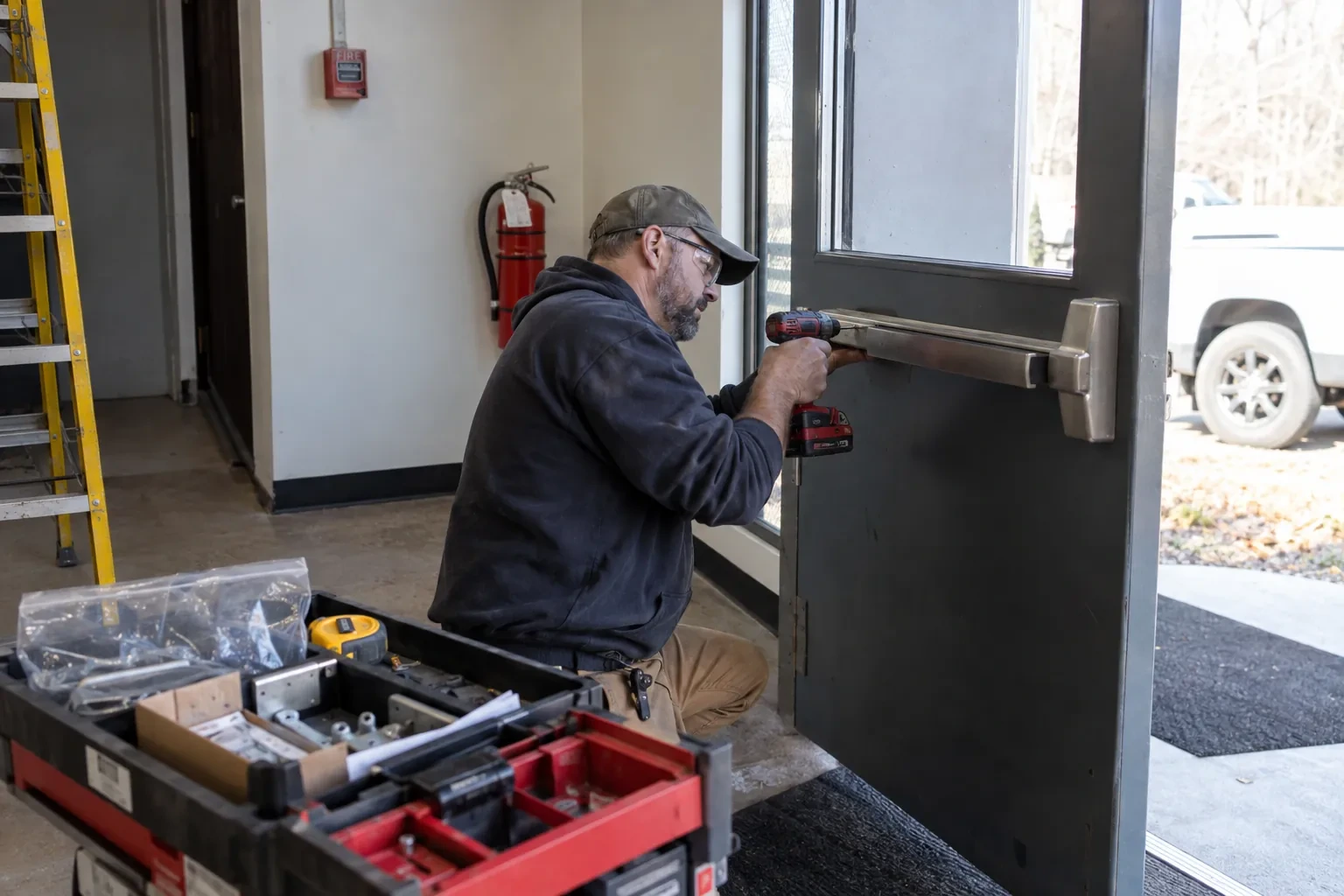
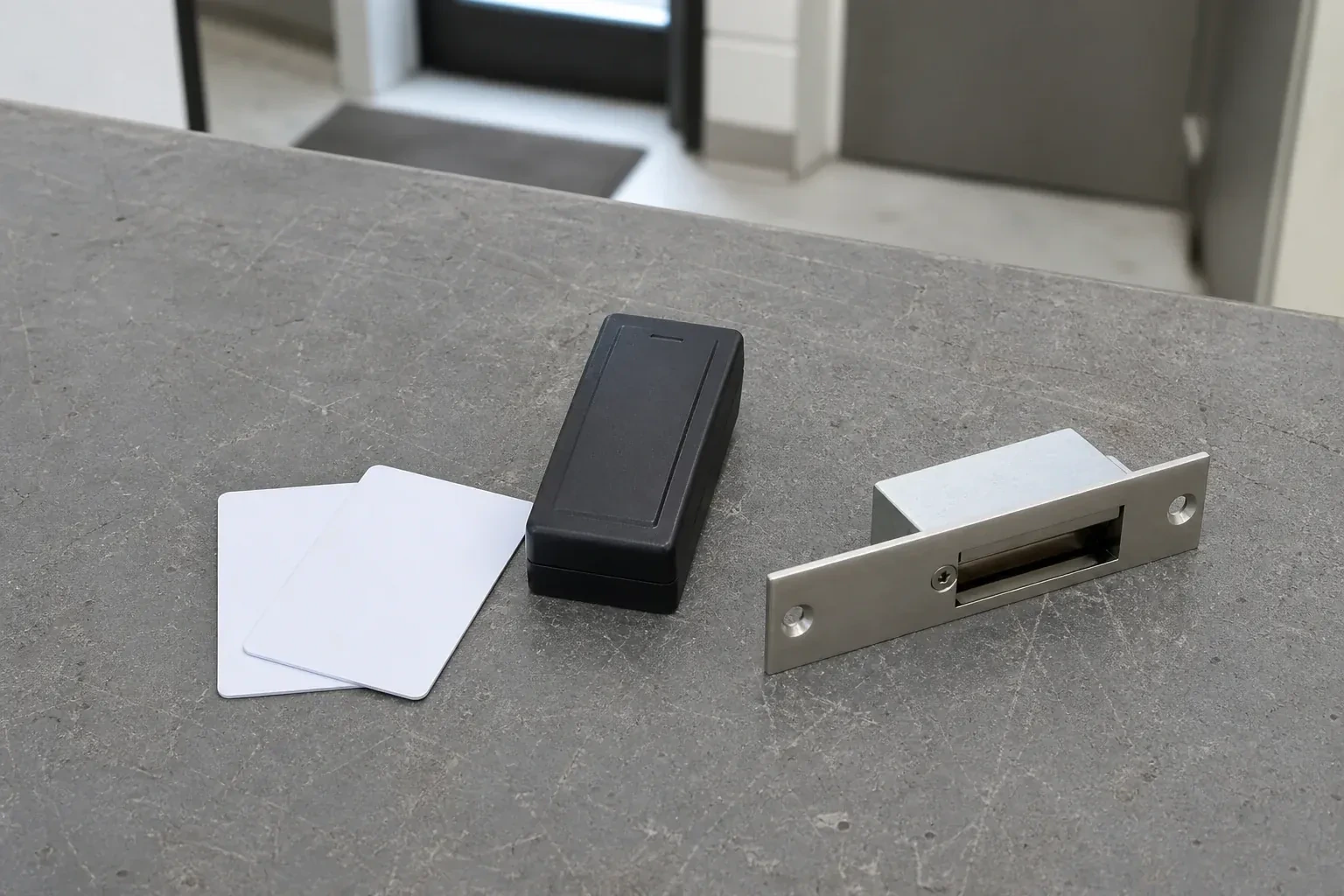
Doors with closers, exit devices, electric strikes and card readers have more parts to fail than a house door. When a commercial door stops behaving, we look at the whole assembly, find the part that is wrong and fix it without disturbing the rest.
The pharmacy's drop safe has a keypad that finally lost power for good, and the little override key that was supposed to live behind the counter cannot be found anywhere.
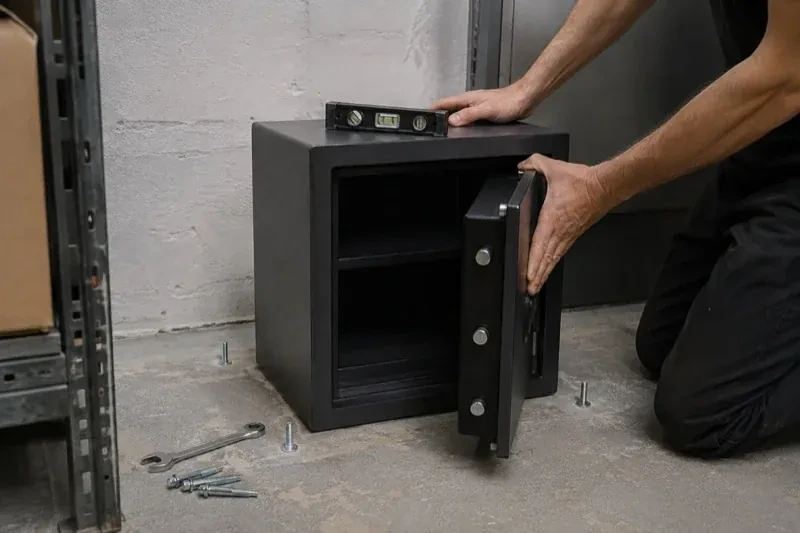
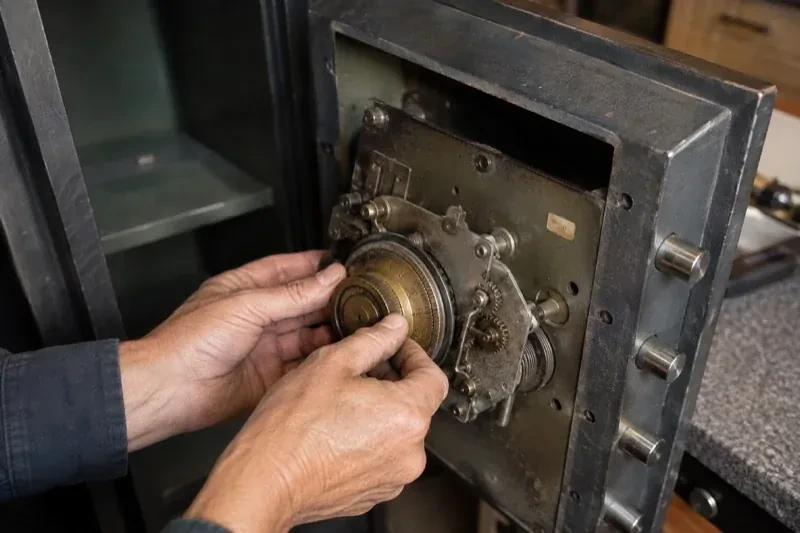
A homeowner inherited a heavy old dial safe from a parent's house, moved it into the new place, and has no idea whether the bolt-work still works, whether the lock is sound, or how it should be anchored.
Which fix fits?
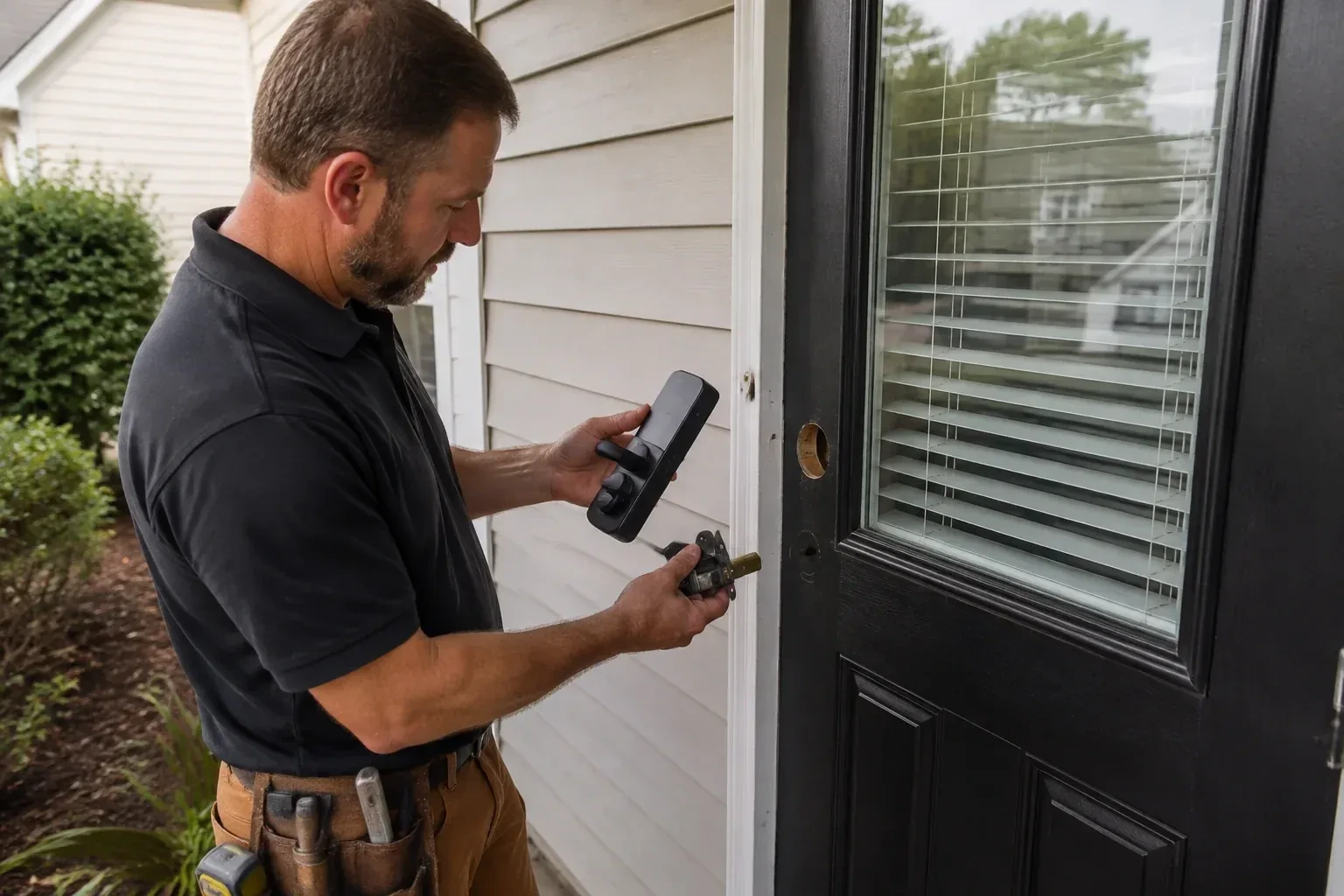
Your smart lock stopped responding and the app shows nothing.
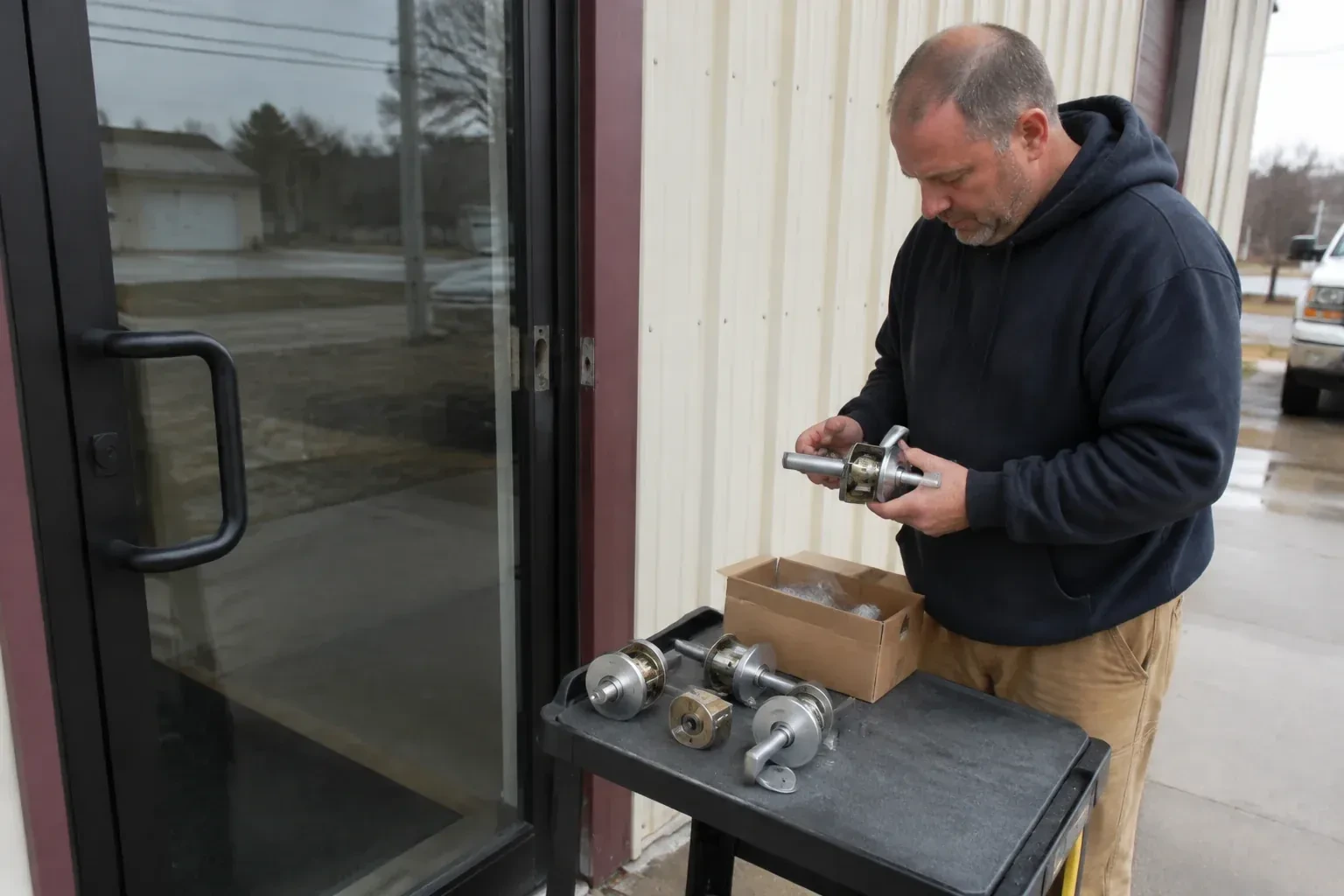
WhySteel-clad and fibreglass doors, the common insulated entry doors in newer subdivisions, take a deadbolt happily as long as they are cut for it properly.
Every morning the front door key needs the same little dance: push in, lift, wiggle, turn.
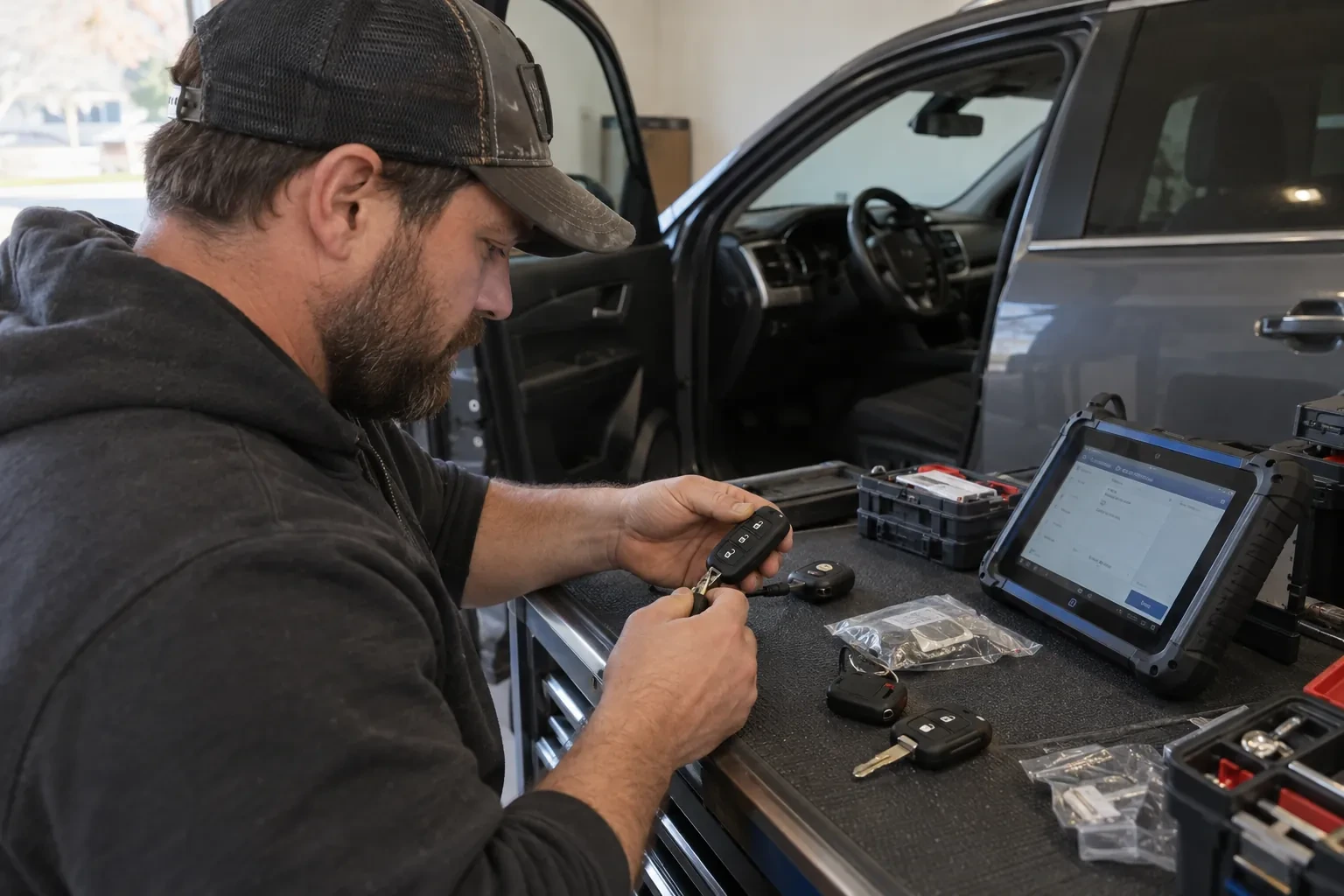
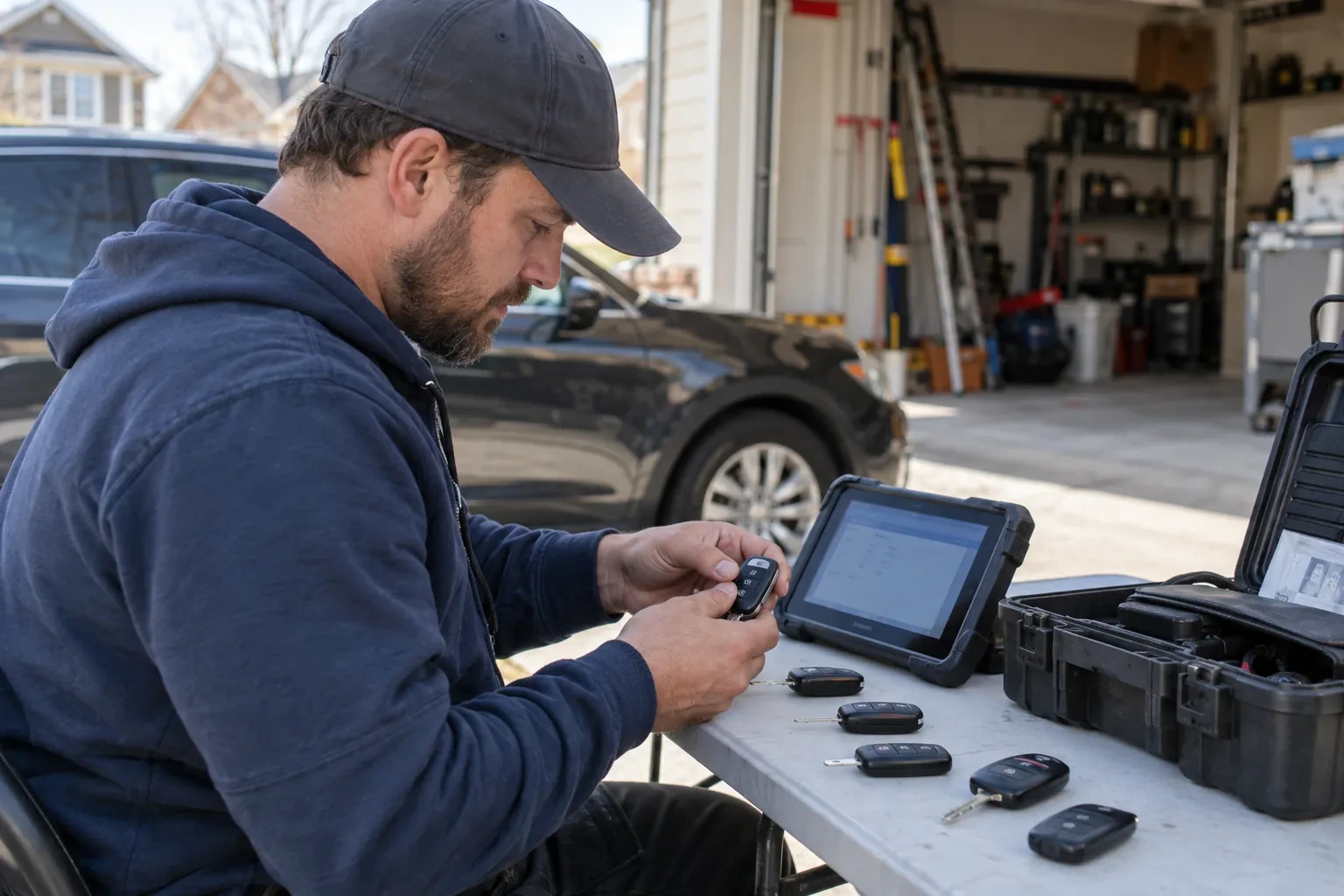
WhyKeys are the part of the job people expect to be impossible, and they rarely are.
How a visit goes
Describe the property, the hardware and what has changed, and the visit starts from what you have seen.
1
2
3
01
Confirming it is your door
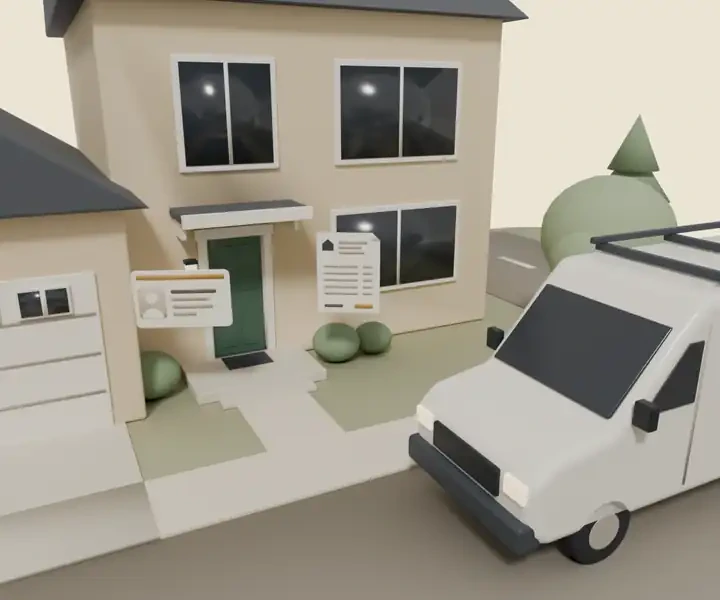
Before touching the lock we ask for identification or another way to show you live or work there. It protects you as much as anyone.
02
The gentlest opening that works
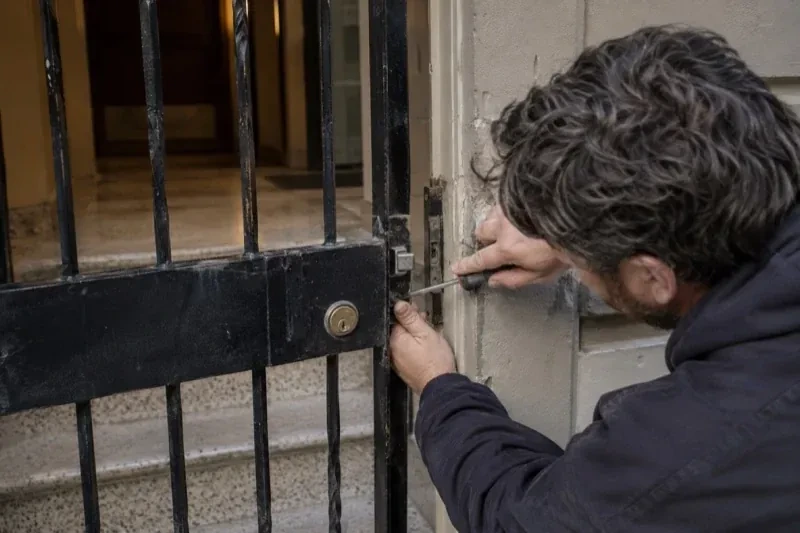
Most doors can be picked or bypassed with no damage. We start there and only move to a firmer method if the lock leaves no other choice, explaining as we go.
03
A working lock before we go
Once you are inside we check the lock still turns properly and that you have a key that works. If the lock was the reason you were stuck, we say so.
About 58% of homes in Toronto were built in 1980 or earlier, according to the 2021 Census.
Older homes
Older doors are usually thicker and made of solid wood, which is good news. They take a deadbolt well, hold longer strike screws, and reward reinforcement. The locksmith measures the thickness and backset so new hardware fits without fresh holes.
Single-detached houses make up about 23% of homes in Toronto (2021 Census).
Suite doors in buildings often have a viewer, a chain and a deadbolt fitted at different times. A locksmith can tidy that into one sound arrangement, with a properly set deadbolt and a strike that holds, without altering the door's face.
What is a restricted keyway, and is it worth having?
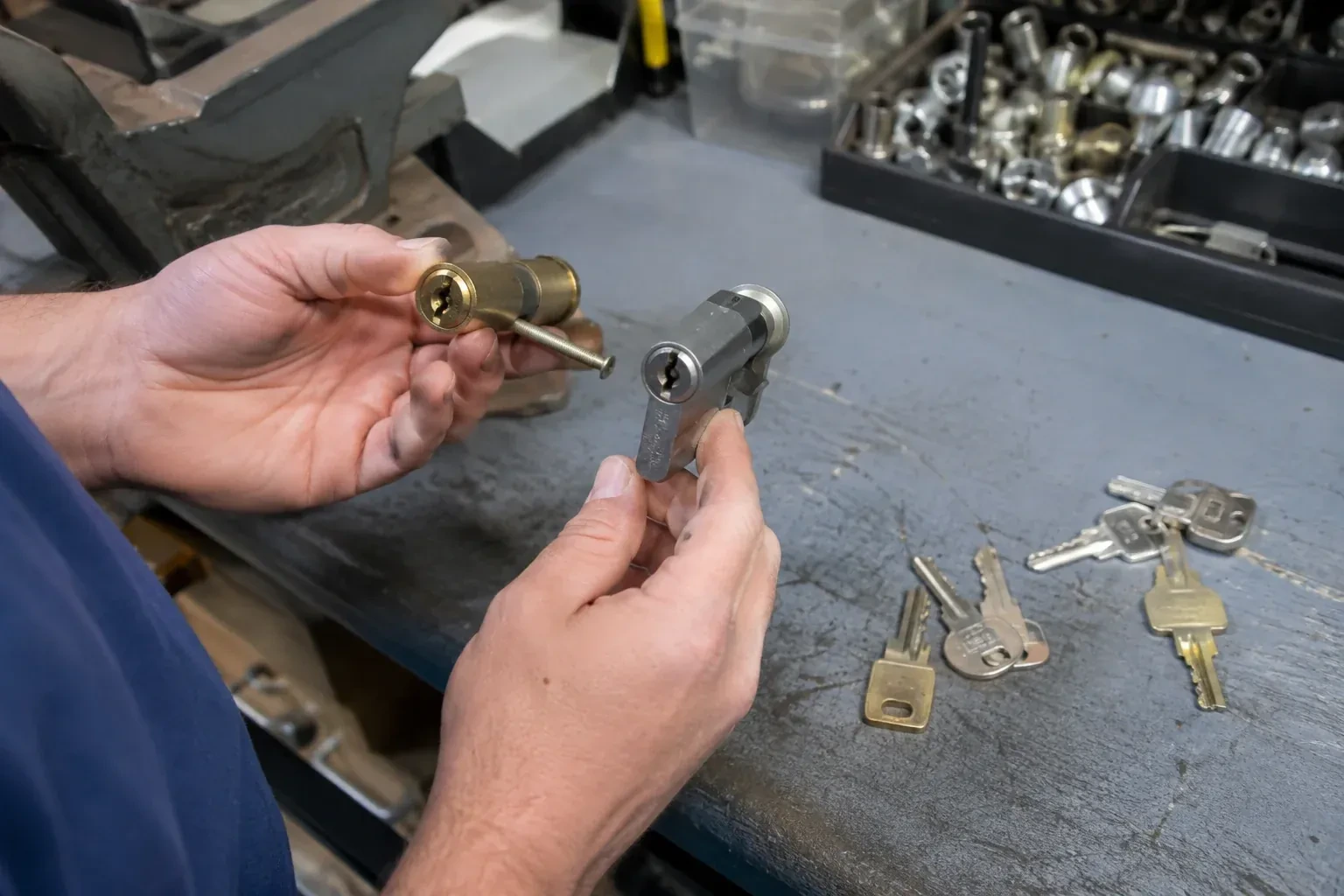
A restricted keyway uses a controlled key profile whose blanks are supplied only through an authorised channel; the credential required, a letter, a registered account, a dealer agreement or a key card, depends on the system. Rekeying such a cylinder is routine work with the right pin kit. For a household that has just lost a key and wants the next one to be truly countable, it is a sensible upgrade for the main doors, and it can be fitted during the same visit.
Does stamping keys 'do not duplicate' stop copies?
It asks; it does not compel. The stamp is a request that a key-cutting counter may or may not honour, and manufacturers say as much. Real control comes from a restricted keyway, whose blanks are issued only through authorised channels against a key card, or simply from knowing how many keys exist and who holds them. A rekey resets that count to a number you chose.
My lock is the homeowner-rekeyable type but the working key is lost. Can it still be reset?
Yes. Those cylinders let an owner change the key with a small learn tool, but only while a working key is in hand. Without one, a design such as Kwikset SmartKey is removed and placed in its own reset fixture, returning it to a blank state; other cylinder types are rekeyed by their own method instead. A new key is then set and the lock goes back on. It is a few extra minutes rather than a replacement.
What proof do I need to show before locks are changed?
The locksmith confirms that the person ordering the work is entitled to change the locks: the owner, a tenant with the landlord's agreement, or a property or facilities manager for a business. Photo identification and something linking you to the address usually settle it, and for a company a letter or a call to the named contact does the same. It protects you as much as anyone, since the same check stops someone else from changing your locks.
Request a visit
Landlords and property managers in Toronto get a partner who understands turnover. We rekey between tenants, keep the unit keys under one master so you carry a single ring, fit hardware that survives heavy use, and note what was done on each door. When a tenant loses a key at an awkward hour, we already know the building.