Locksmith in Toronto, OntarioOlder homes.Original locks, still working.
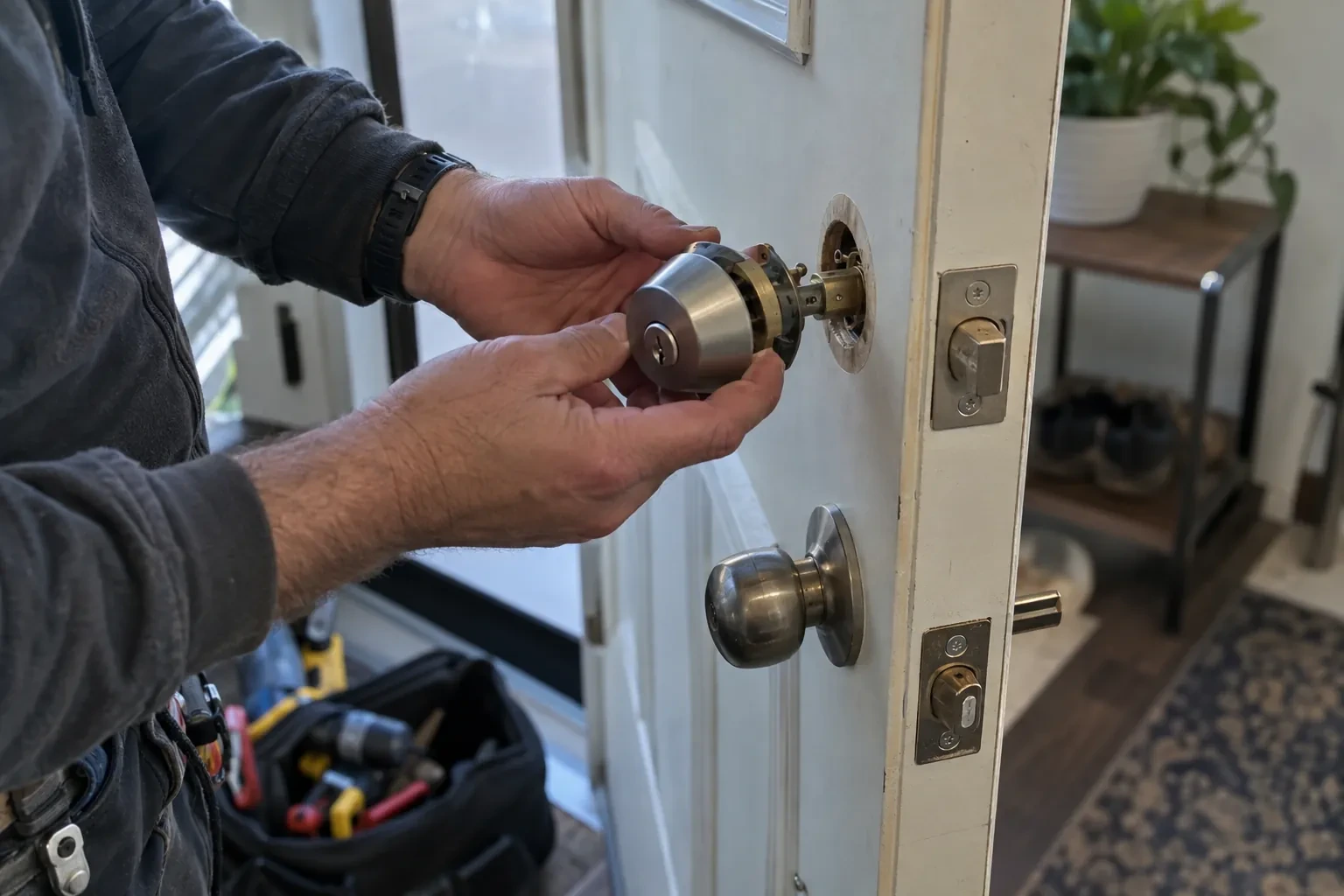
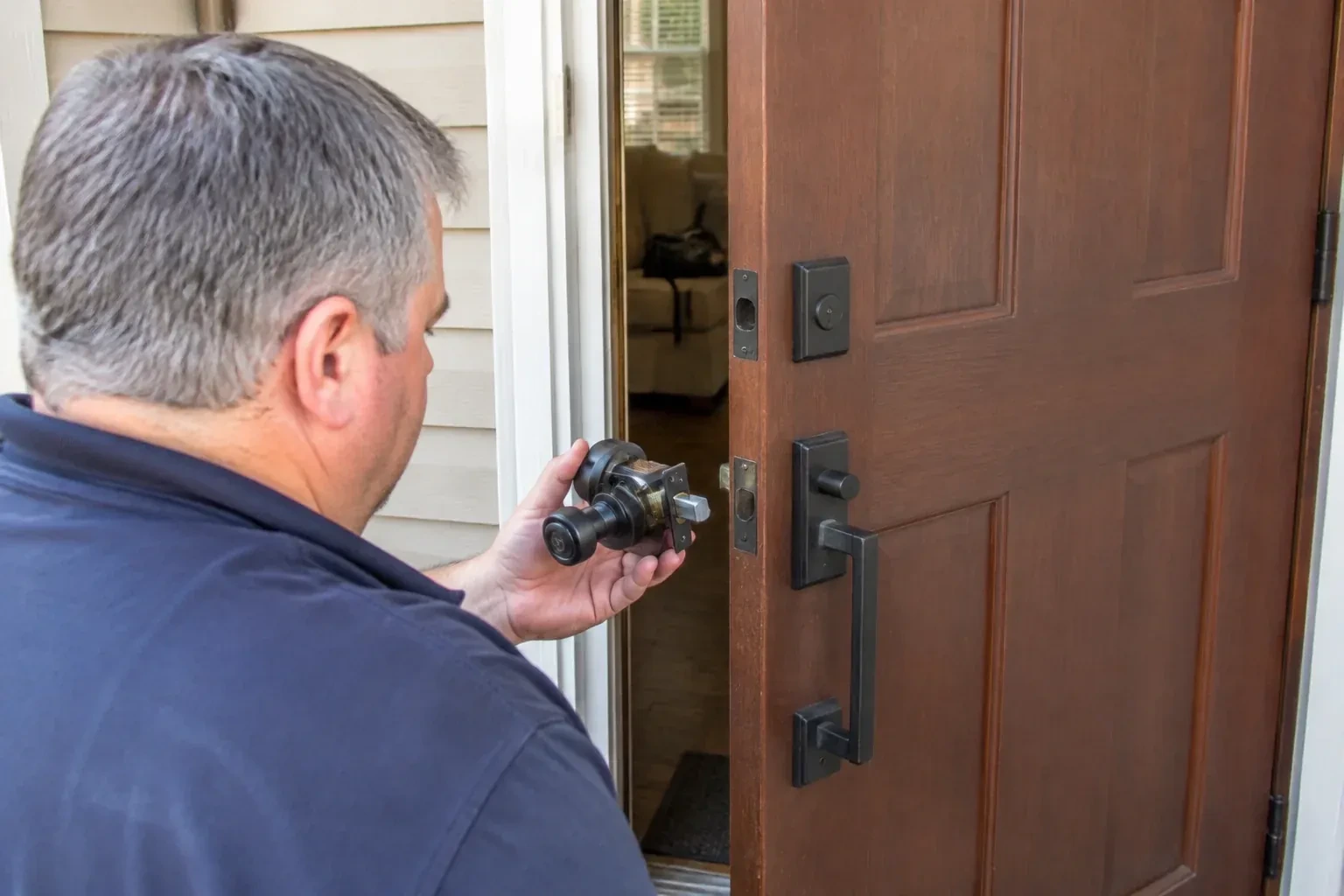
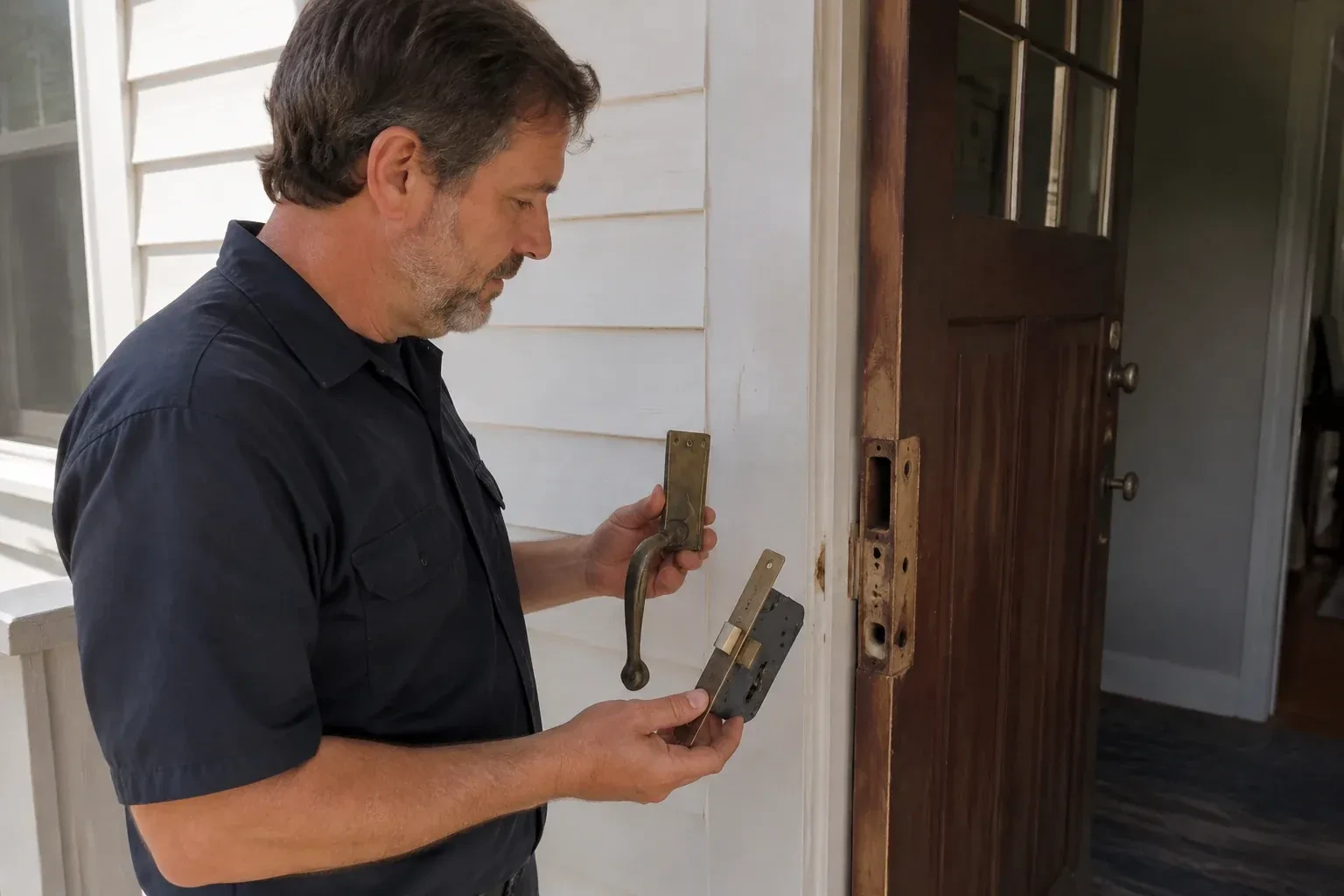
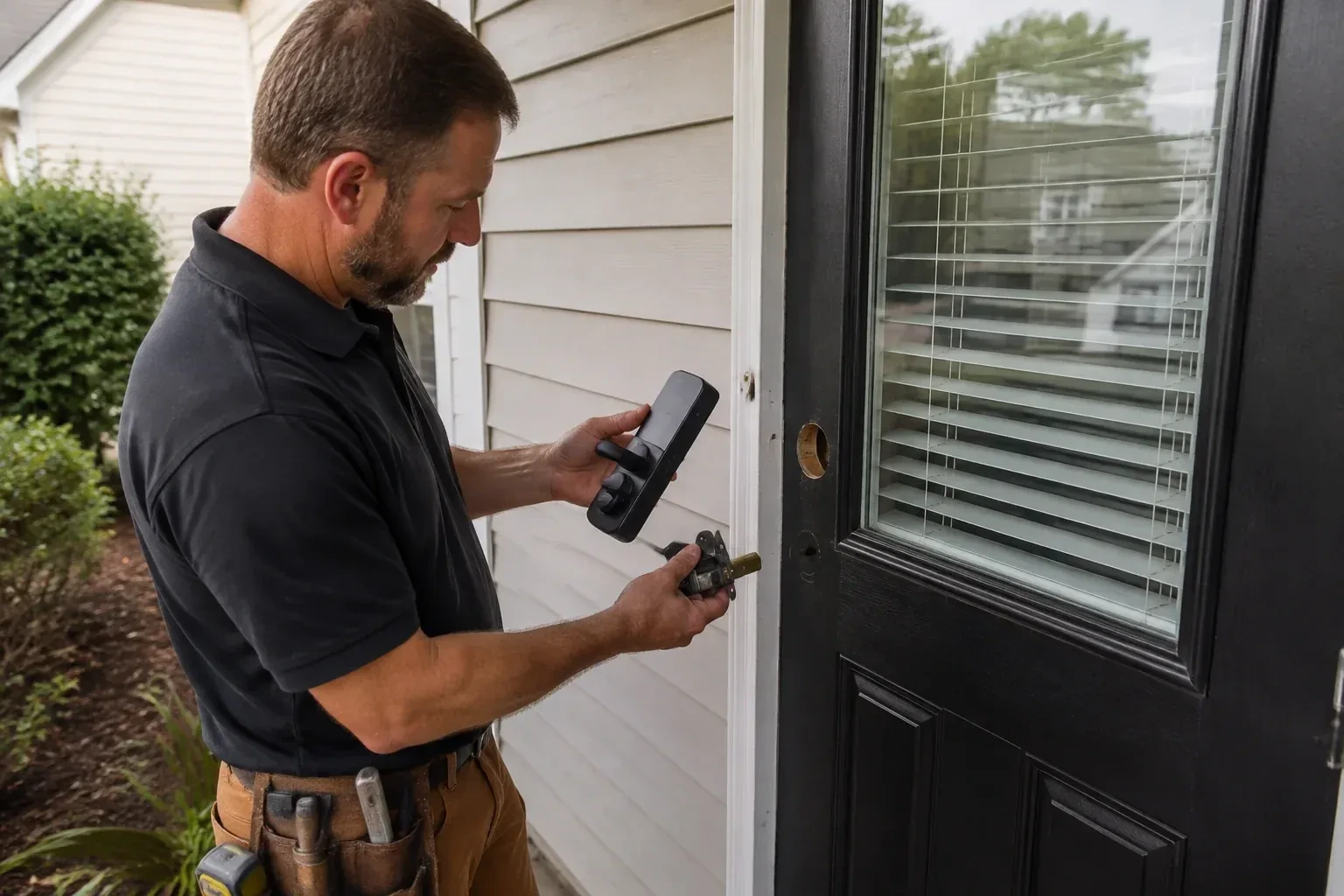
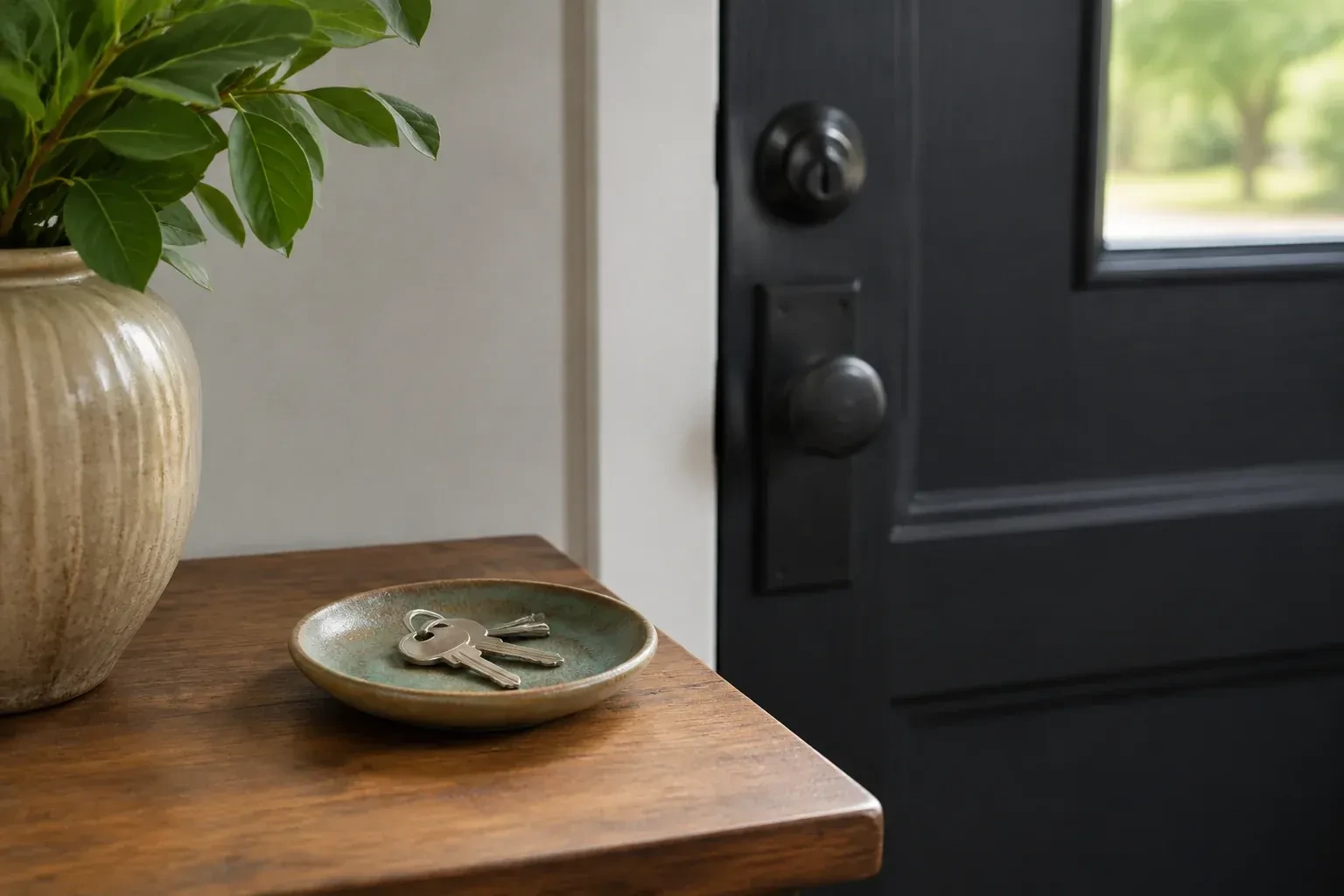
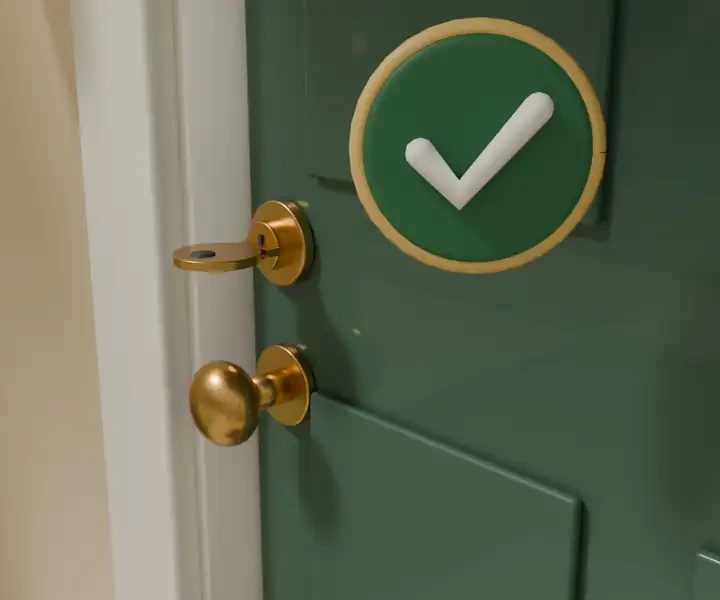
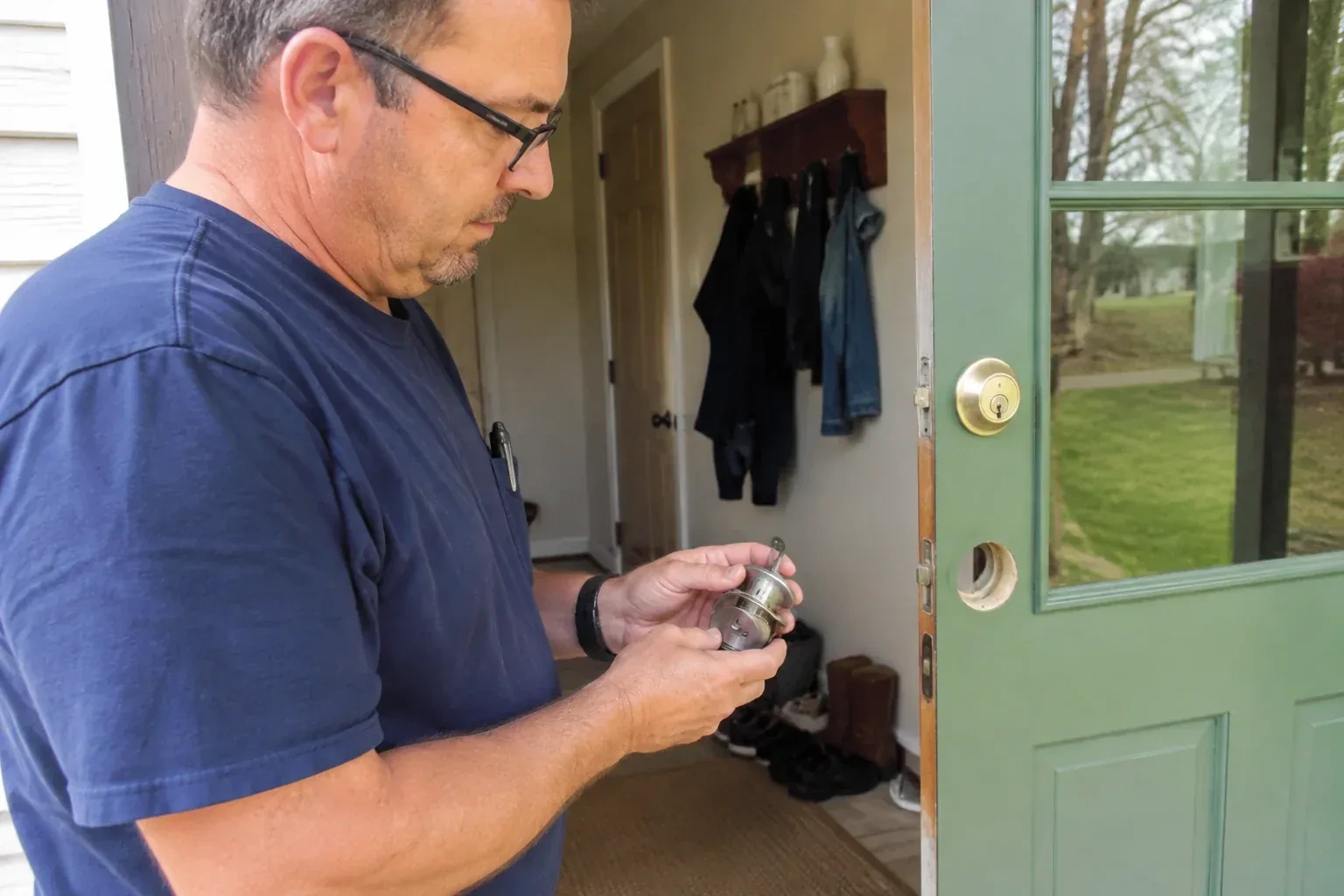
Plenty of houses in Toronto still carry their first mortise locks and brass knobs, and they are worth keeping. We service that hardware so it turns freely again, find matching parts where they exist, and only suggest replacement when a piece genuinely cannot be brought back. Character stays; the door locks.
Plenty of houses in Toronto still carry their first mortise locks and brass knobs, and they are worth keeping. We service that hardware so it turns freely again, find matching parts where they exist, and only suggest replacement when a piece genuinely cannot be brought back. Character stays; the door locks.
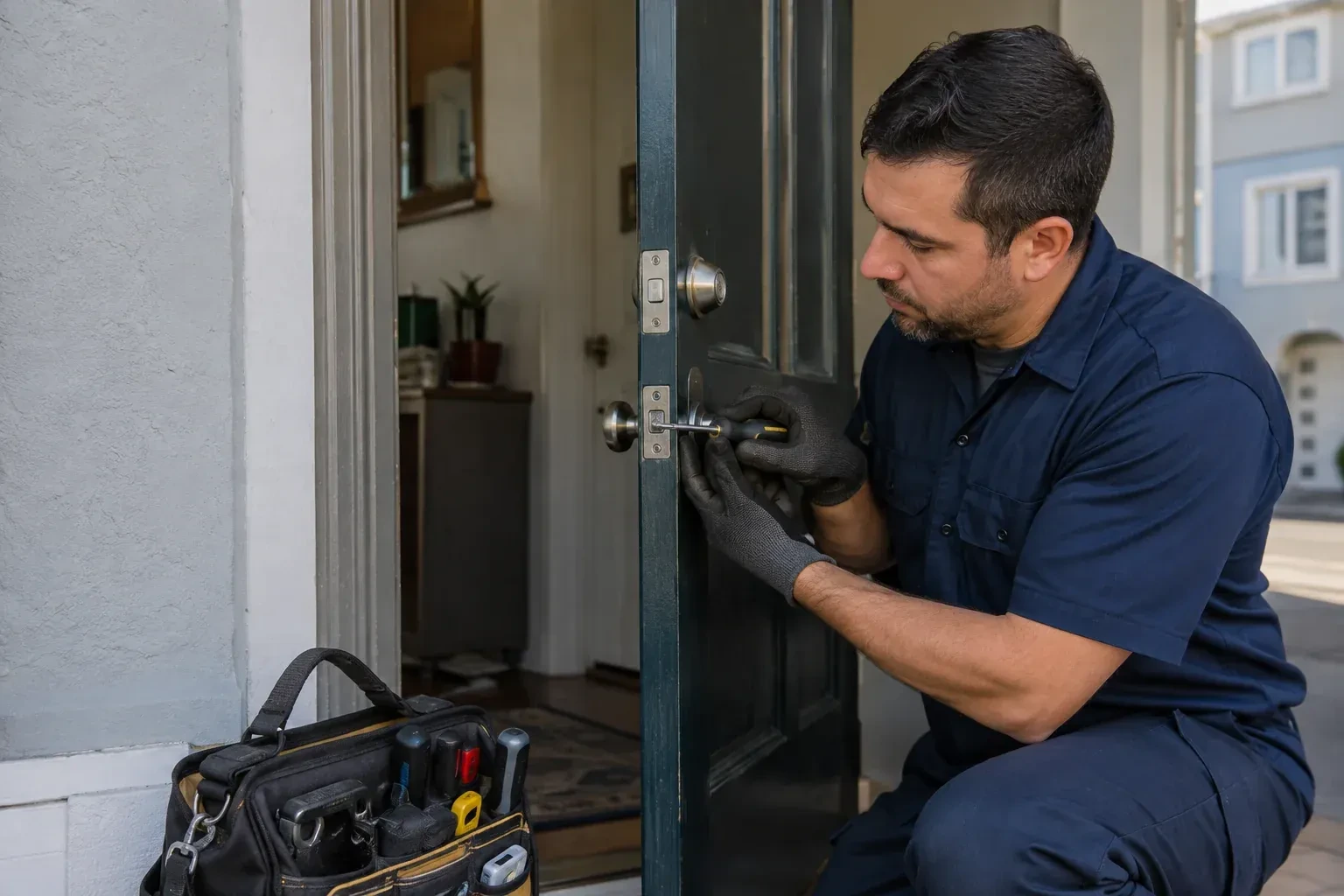
We look after the door, not just the lock.
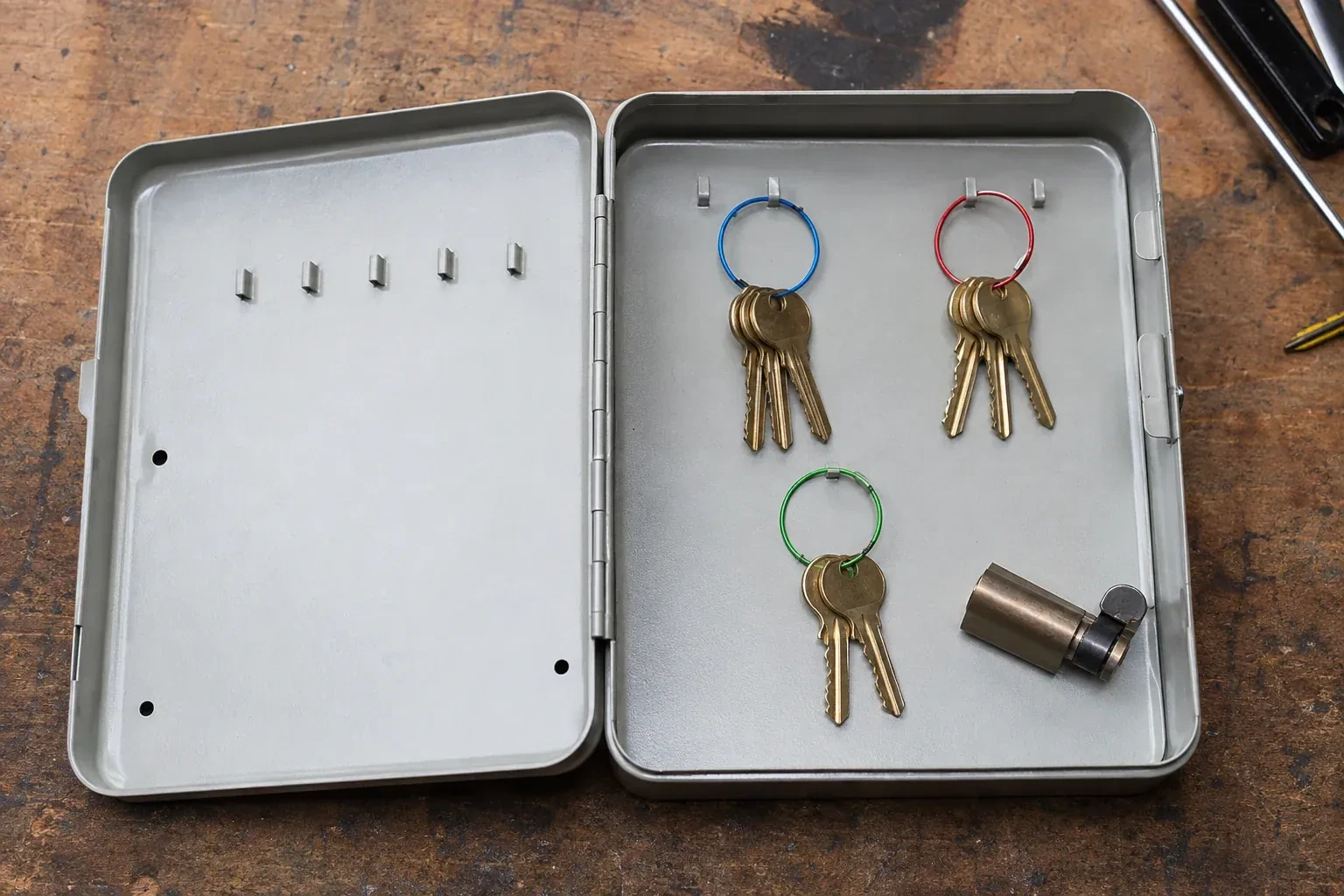
Landlords and property managers in Toronto get a partner who understands turnover. We rekey between tenants, keep the unit keys under one master so you carry a single ring, fit hardware that survives heavy use, and note what was done on each door. When a tenant loses a key at an awkward hour, we already know the building.
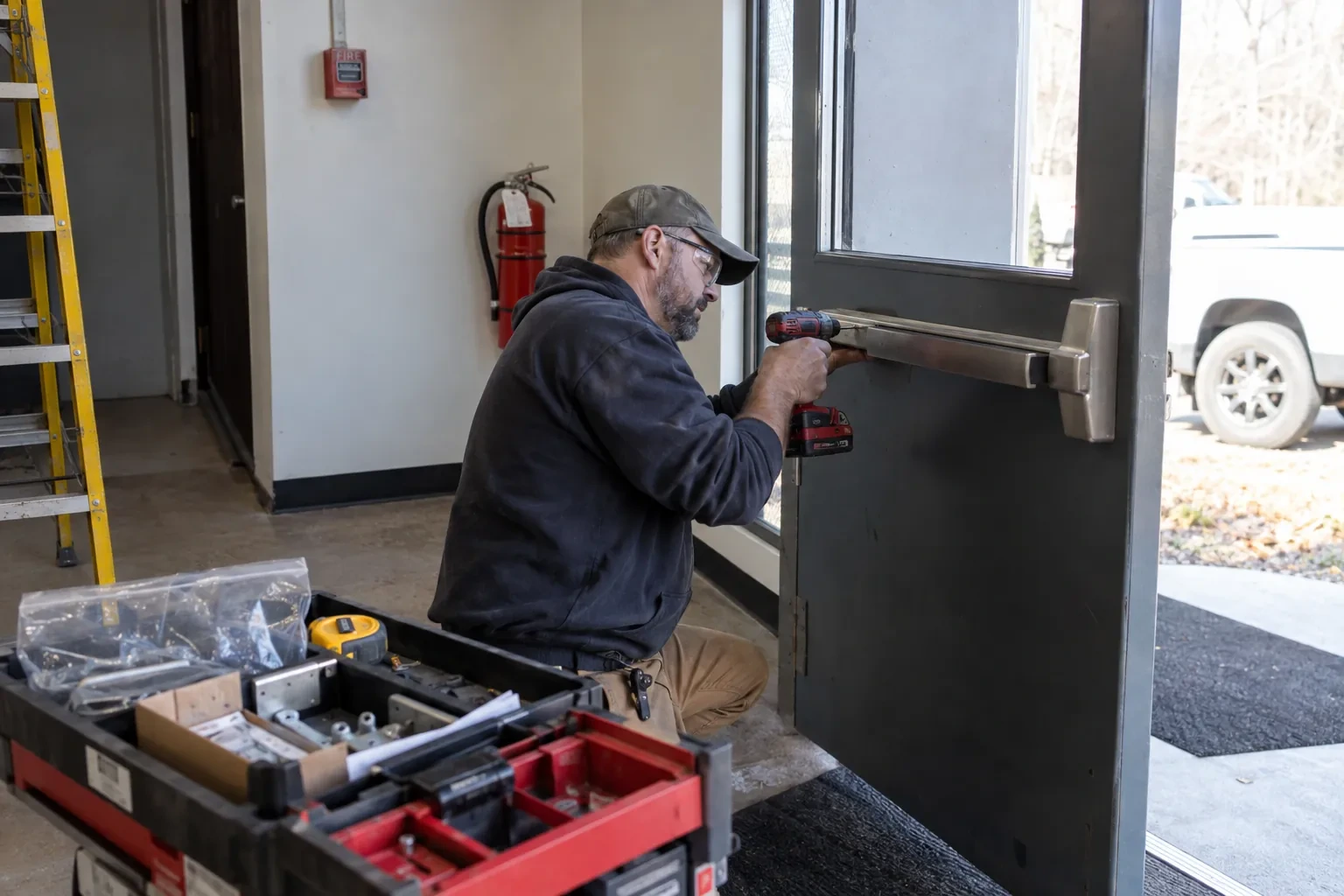
Shopkeepers along the commercial streets of Toronto know the back door is usually the weak spot. We look at closers, strikes, frames and hinges as well as the lock, fit hardware that keeps the door shut without staff having to think about it, and set up keys or codes so access can be managed as people come and go.
11years in business
24/7open every day
Explained before any tool comes out. You will hear what we found, what we suggest and why, before anything is changed. If you want a minute to think, take it.
Choices, not a single answer. Most problems have more than one fix. We lay out the practical options and the trade-offs, then let you choose the one that fits your home and budget.
A tidy doorstep. Shavings swept, packaging taken away, the old hardware offered to you or disposed of. The only sign we were there is a lock that works.
Doors in Toronto are opened, rekeyed, repaired, reinforced and replaced by the same small team, so you can pick one service today and add another later without explaining the house all over again. Start with the page that matches your door; the rest of the list will still be here.
About 58% of homes in Toronto were built in 1980 or earlier, according to the 2021 Census.
Older homes
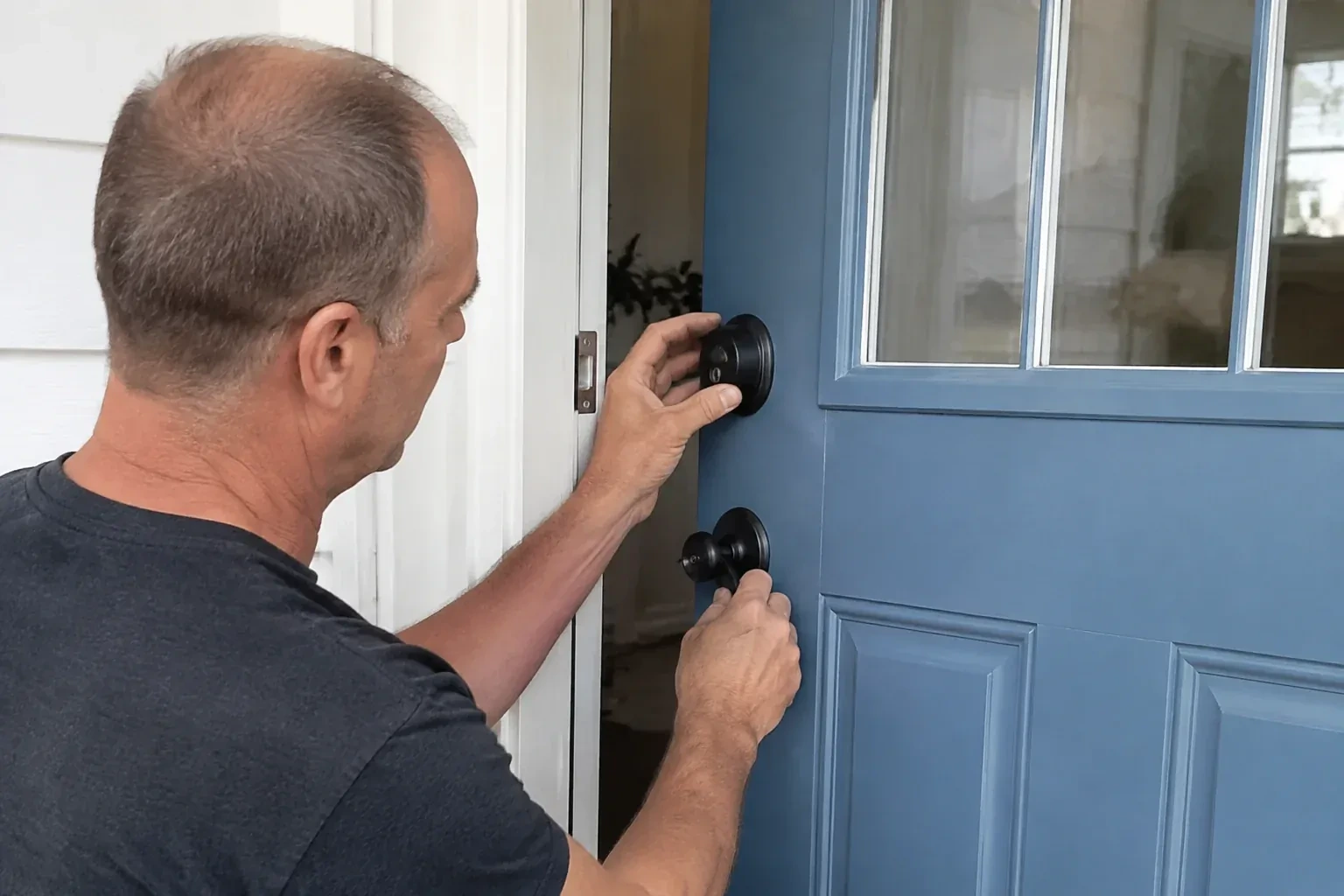
Older doors are usually thicker and made of solid wood, which is good news. They take a deadbolt well, hold longer strike screws, and reward reinforcement. The locksmith measures the thickness and backset so new hardware fits without fresh holes.
Single-detached houses make up about 23% of homes in Toronto (2021 Census).
Suite doors in buildings often have a viewer, a chain and a deadbolt fitted at different times. A locksmith can tidy that into one sound arrangement, with a properly set deadbolt and a strike that holds, without altering the door's face.
Rather than one purchase, think of high security as a run of decisions. Which doors, which cylinders, how many keys, who may order more, whether a safe belongs inside. We walk those decisions with you and write the answers down.
The pharmacy's drop safe has a keypad that finally lost power for good, and the little override key that was supposed to live behind the counter cannot be found anywhere.
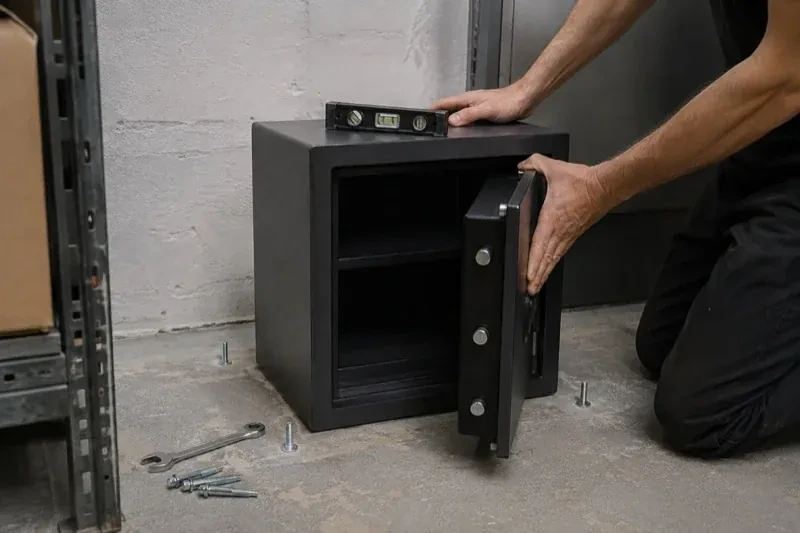
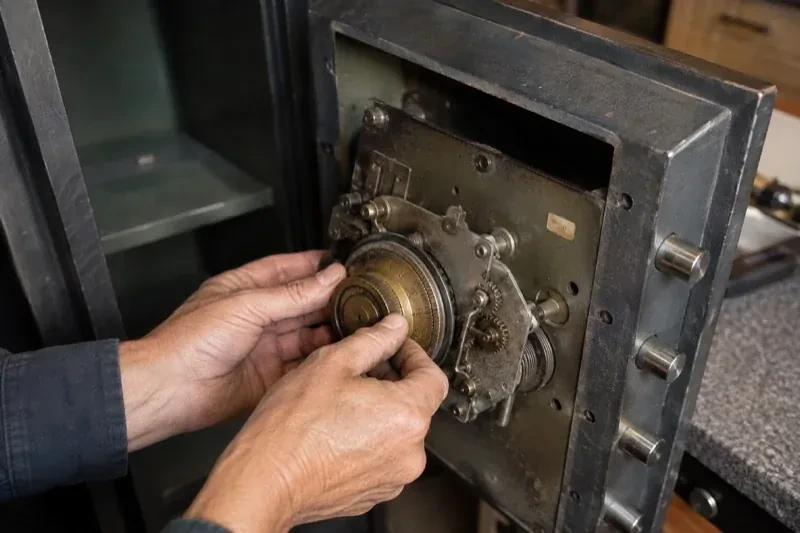
A homeowner inherited a heavy old dial safe from a parent's house, moved it into the new place, and has no idea whether the bolt-work still works, whether the lock is sound, or how it should be anchored.
Which fix fits?
The moving truck has left, half the boxes are inside, and the single key the previous owner handed over turns the knob but not the deadbolt.
WhySome building entries add a buzzer, a keypad or an electric strike to the mechanical lock, and any one of those pieces can be the reason a door stops releasing on cue.
You've just moved in, and the mailbox compartment in the lobby came with a single key the previous owner mailed back separately, or never handed over at all.
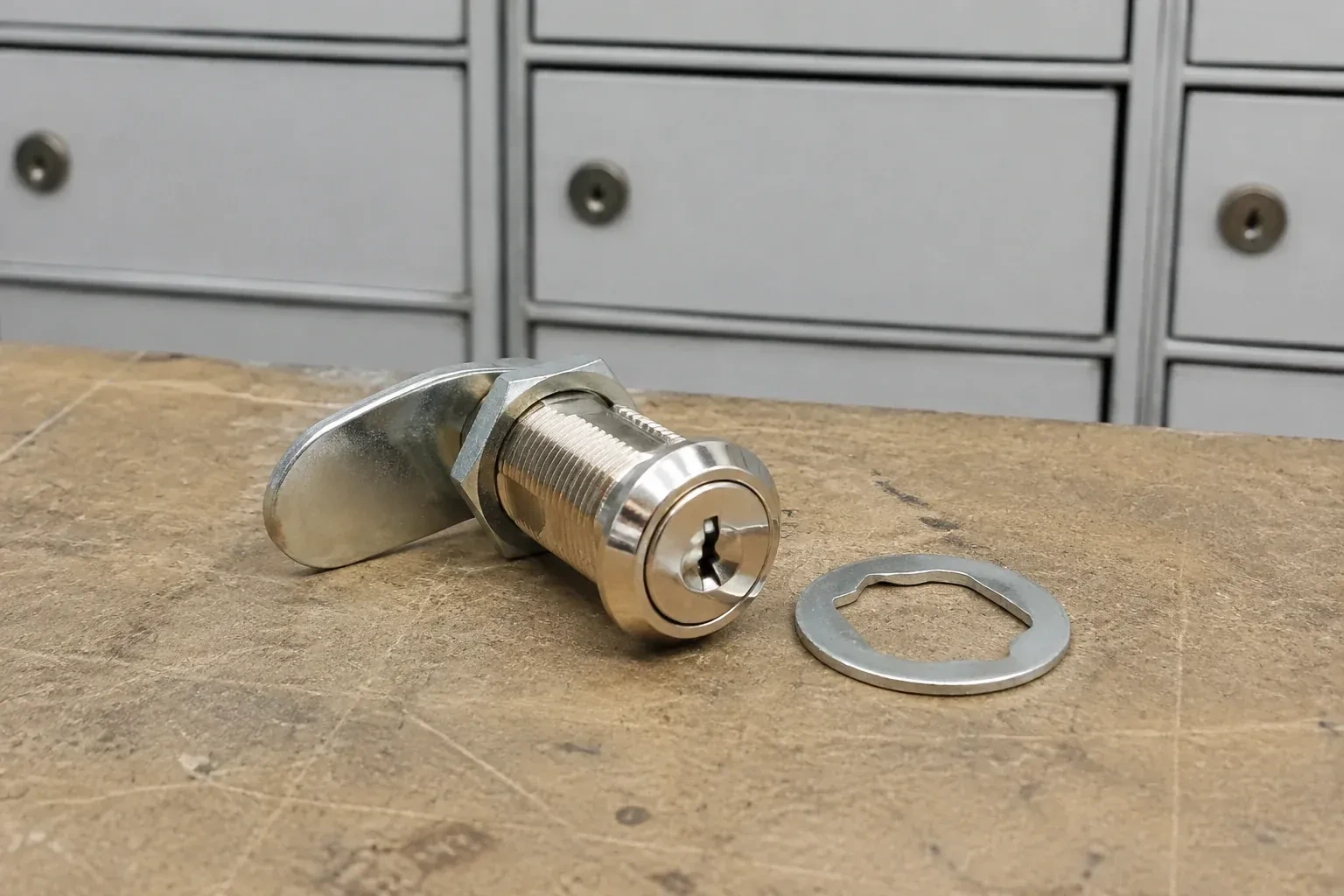
WhyA mailbox lock lives or dies by a handful of measurements: the cylinder's length, its diameter, and the reach and angle of the cam arm that actually catches the door frame when the key turns.
A community group counts the weekend's raffle and bake-sale cash on a kitchen table, then carries it home in a tote bag until the bank opens Monday, because there has never been anywhere safer to leave it.
WhyFor a household bringing in its first real safe, the service covers everything between the empty spot on the floor and a working, anchored unit with a combination only the family knows.
A break-in overnight took the cash float and a staff member's bag with her work keys inside it.
WhyRekeying is also a chance to decide how the keys should work, not simply to change them.
A new hire at the shop gets handed whatever spare key happens to be in the drawer, and it turns out to open the stockroom, the back office and the safe room all at once.
WhyDriving on a single key means a lost pocket, a dropped bag or a worn blade can turn into a day without a car.
How a visit goes
Describe the property, the hardware and what has changed, and the visit starts from what you have seen.
1
2
3
01
Confirming it is your door
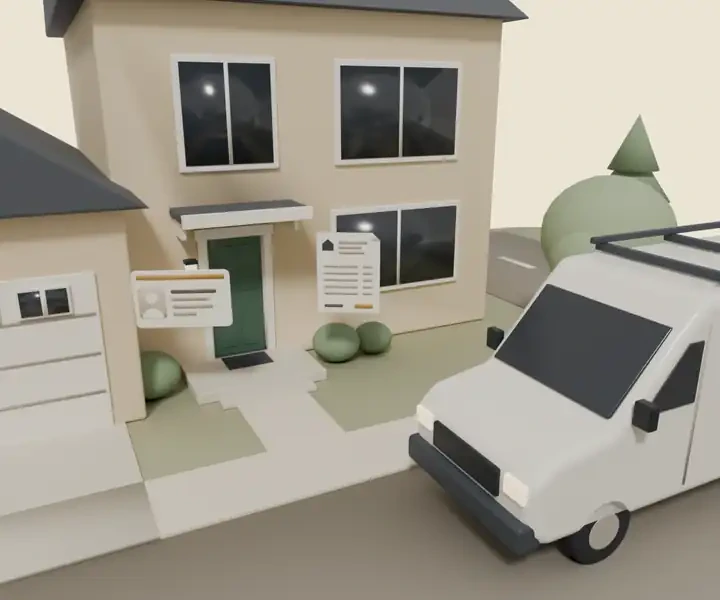
Before touching the lock we ask for identification or another way to show you live or work there. It protects you as much as anyone.
02
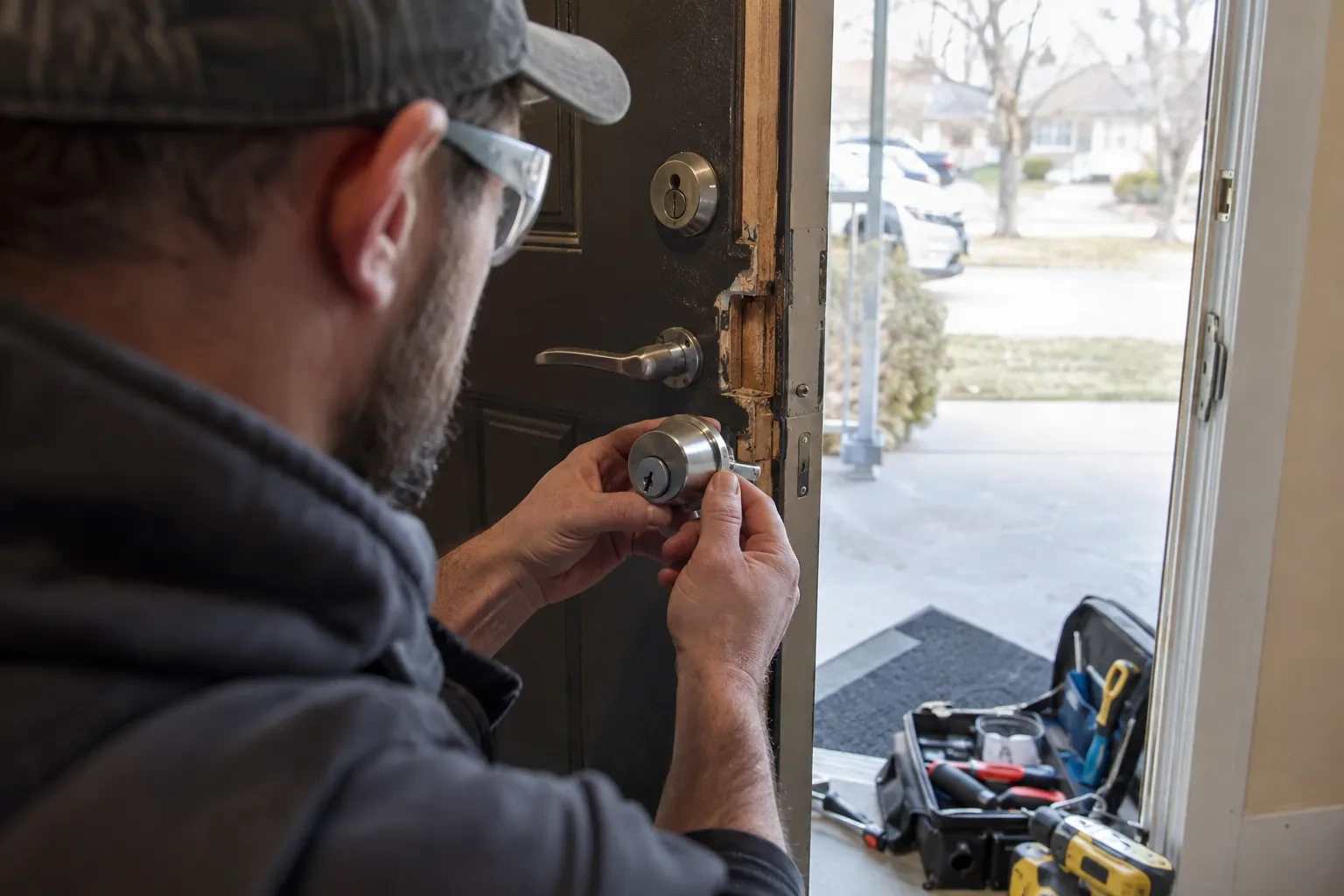
The gentlest opening that works
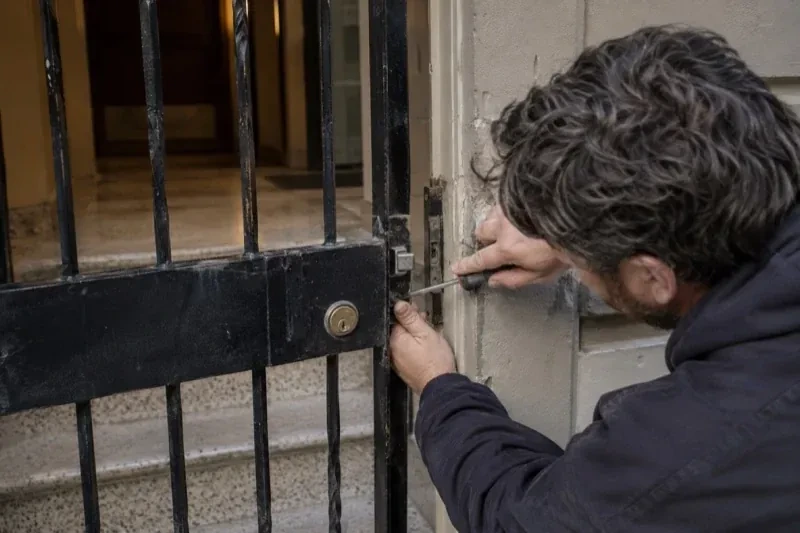
Most doors can be picked or bypassed with no damage. We start there and only move to a firmer method if the lock leaves no other choice, explaining as we go.
03
A working lock before we go
Once you are inside we check the lock still turns properly and that you have a key that works. If the lock was the reason you were stuck, we say so.
Good days. Start with a turn.
1/9Home Lockout Service
The moving truck has left, half the boxes are inside, and the single key the previous owner handed over turns the knob but not the deadbolt. Someone locked it on the way out, and nobody has a key that fits it.
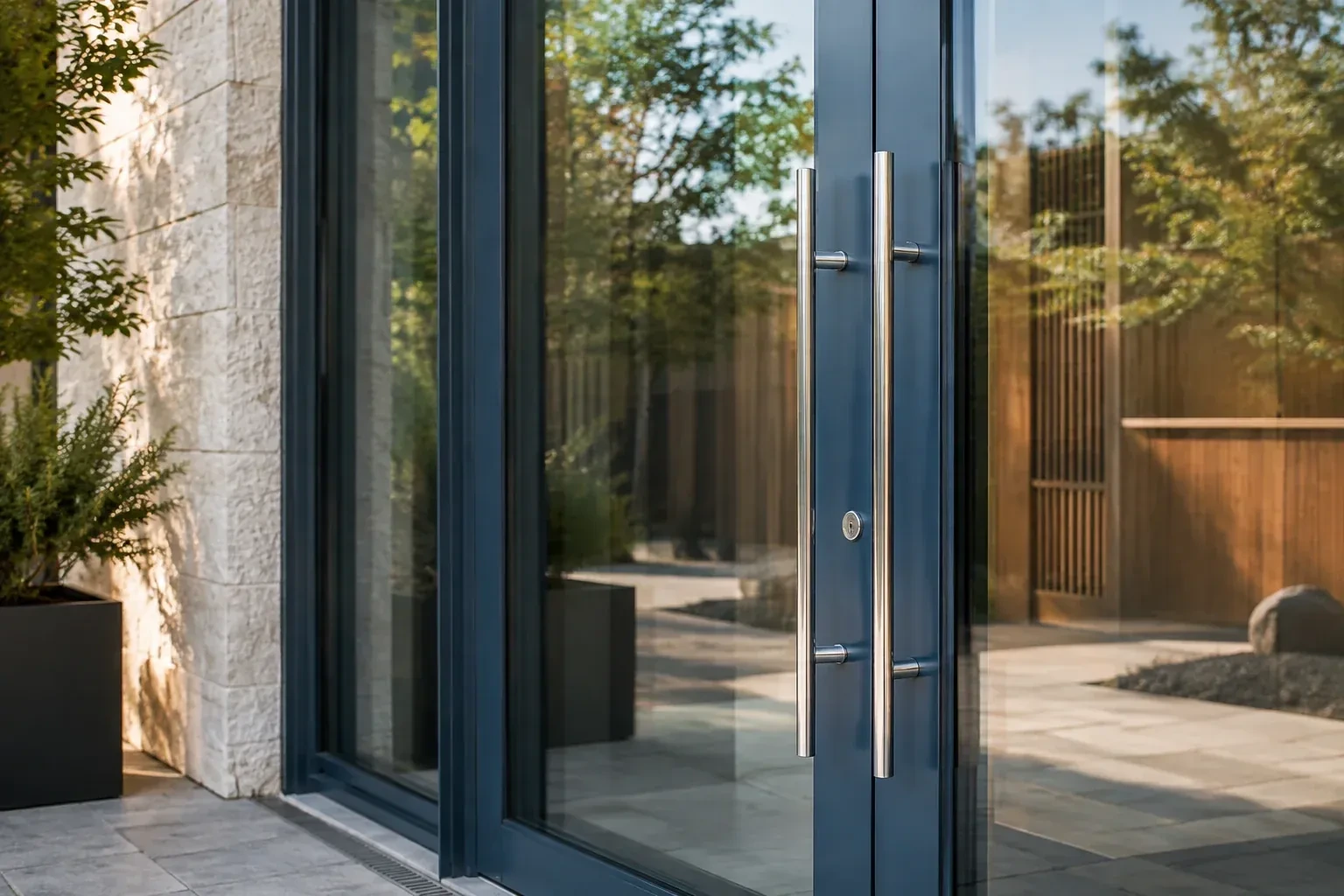
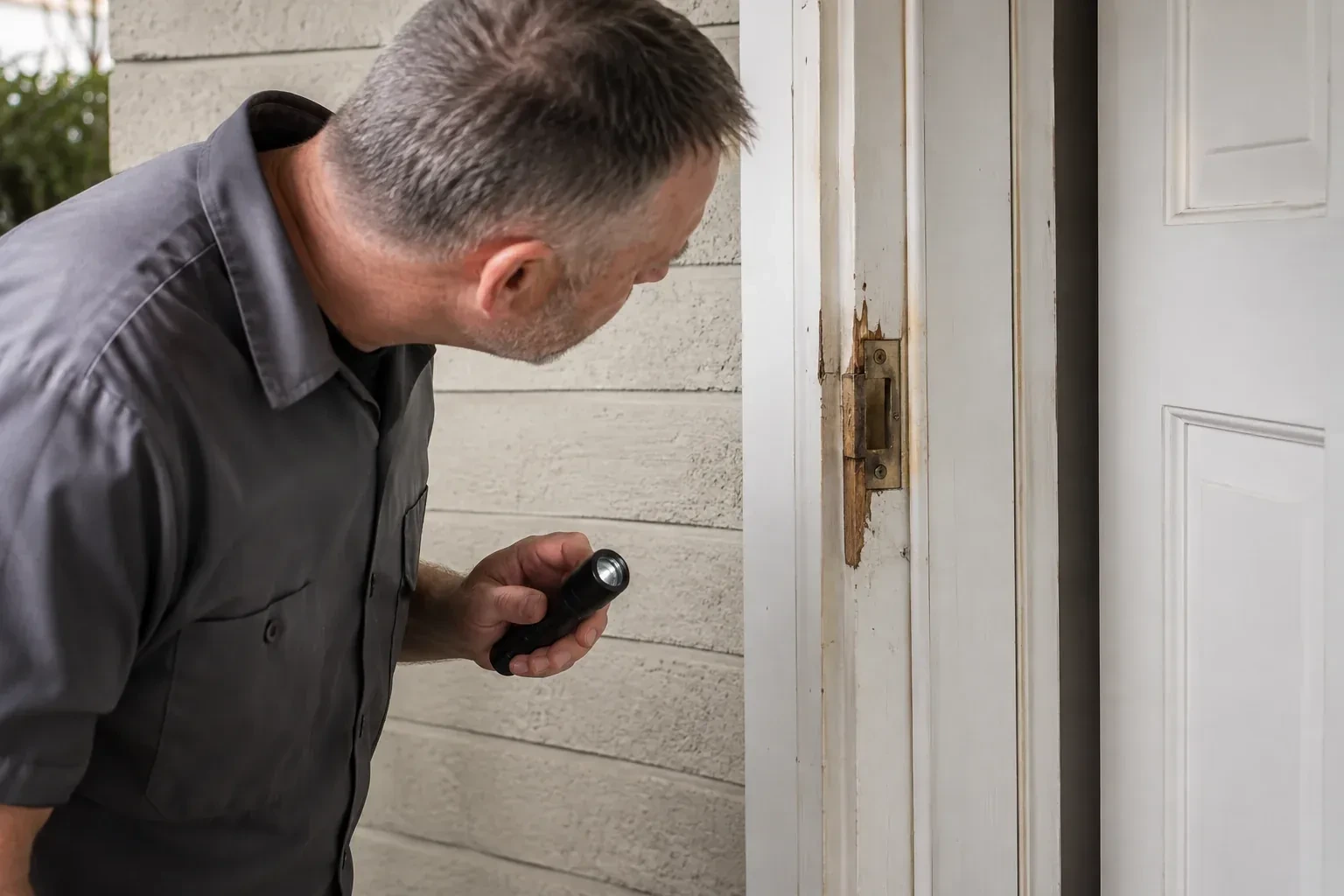
The heavy glass door has been scraping the threshold for weeks. This morning the key turns, you can hear the bolt trying to move, but it is jammed hard in the strike and the door stays shut no matter how the handle is pulled.
The previous owners left a coffee tin of keys on the counter, some labelled, most not. The house is yours now, but you have no idea how many copies were cut over the years or who still has one in a drawer somewhere.
The gate to the side yard used to close with a satisfying click. After a winter of frost heaving the fence post, the latch now sits a full inch below where the strike is waiting for it, and the gate swings free no matter how hard it is pulled shut.
You've just moved in, and the mailbox compartment in the lobby came with a single key the previous owner mailed back separately, or never handed over at all. As far as anyone can tell, the lock still answers to a stranger's key.
A community group counts the weekend's raffle and bake-sale cash on a kitchen table, then carries it home in a tote bag until the bank opens Monday, because there has never been anywhere safer to leave it.
A break-in overnight took the cash float and a staff member's bag with her work keys inside it. The glass is being replaced this morning, but the key that opened the door yesterday will still open it tonight unless the cylinders are changed.
A new hire at the shop gets handed whatever spare key happens to be in the drawer, and it turns out to open the stockroom, the back office and the safe room all at once. The owner realizes nobody actually decided who should open what.
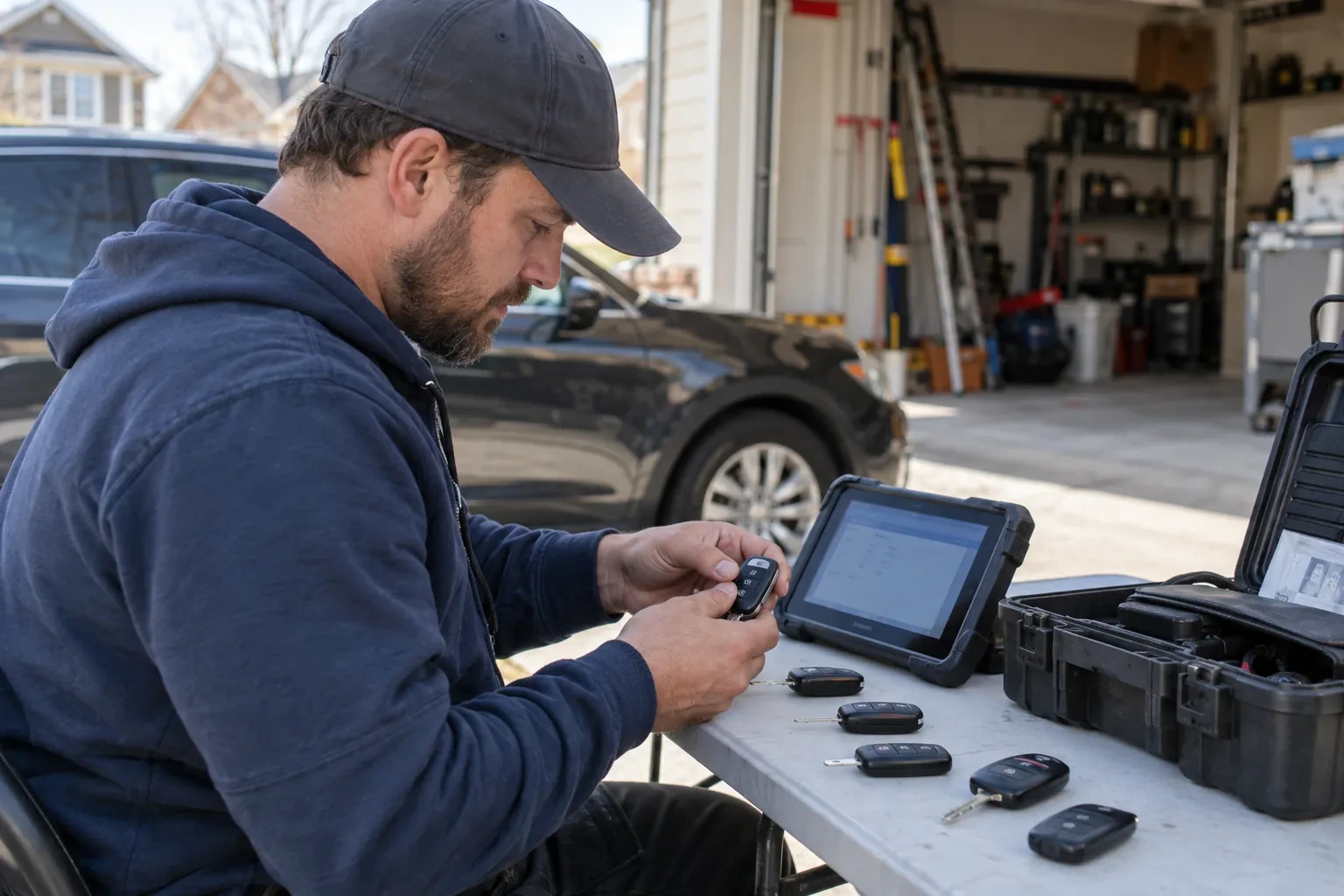
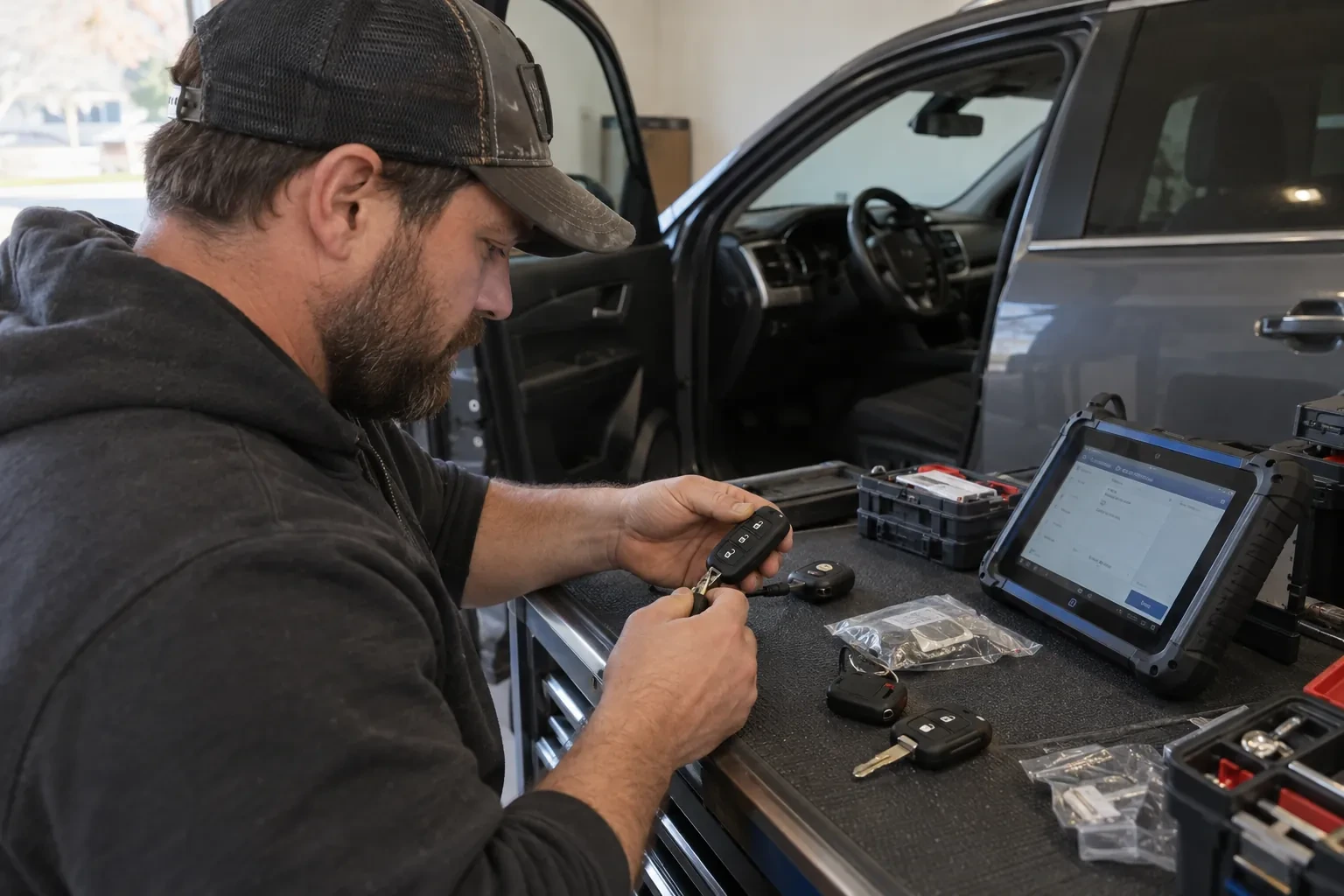
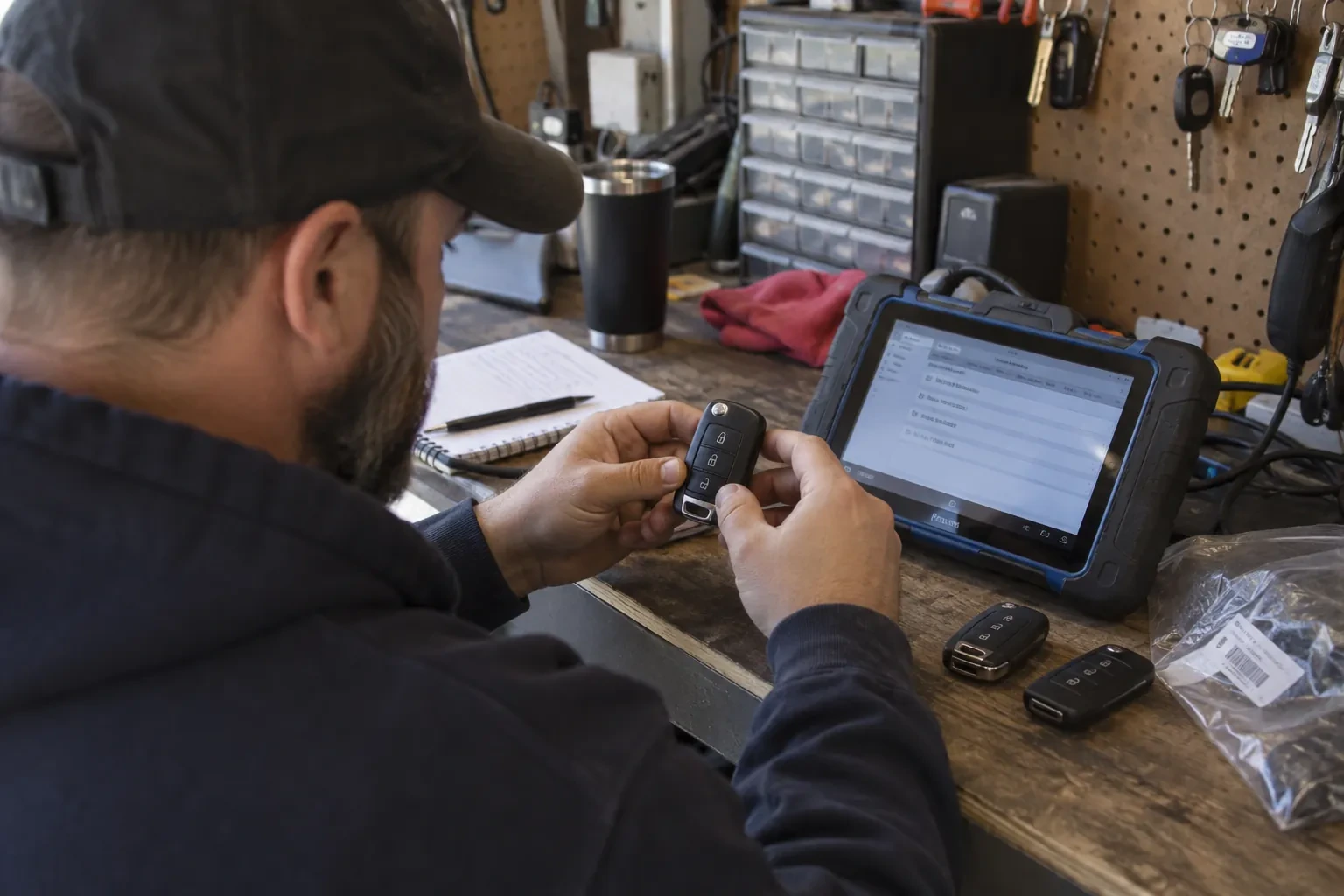
One key opens the car, starts the car, and rides in one pocket every day. Nothing backs it up. A dropped storm drain, a torn pocket or a moment of distraction would leave the household without a way to drive anywhere tonight.
Yes. A tenant locked out of their own unit can arrange entry directly, and the identification check is the same: something that ties you to the address, such as a lease, a bill or a piece of mail, plus photo identification. Where you may want to involve your landlord is any change to the lock afterwards, because tenancy rules in this province expect landlords and tenants to agree on lock changes and to share keys. A locksmith can note what was done for the building manager.
What is a restricted keyway and is it worth having for a business?
A restricted or patented keyway is one whose blanks are supplied only through the manufacturer's authorised channels, so duplication is controlled rather than available at an ordinary counter, though the exact authorisation step varies by program and is not always a signed letter. For a company with staff turnover, cleaners and contractors, it means the keys in circulation are far easier to track. It can be introduced during a rekey, on the exterior doors only or across the whole premises, and works alongside a key register.
How is rekeying different from replacing the lock?
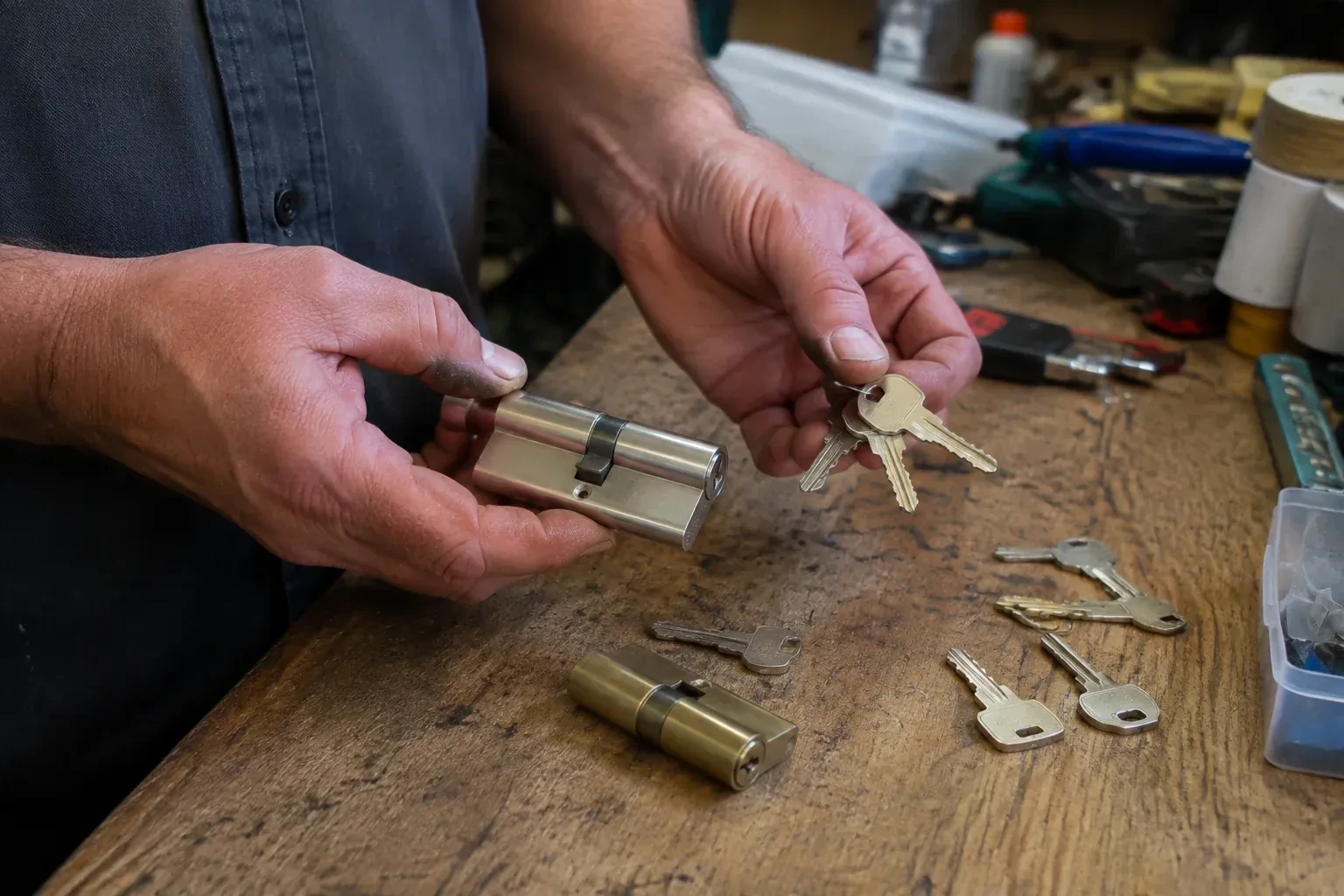
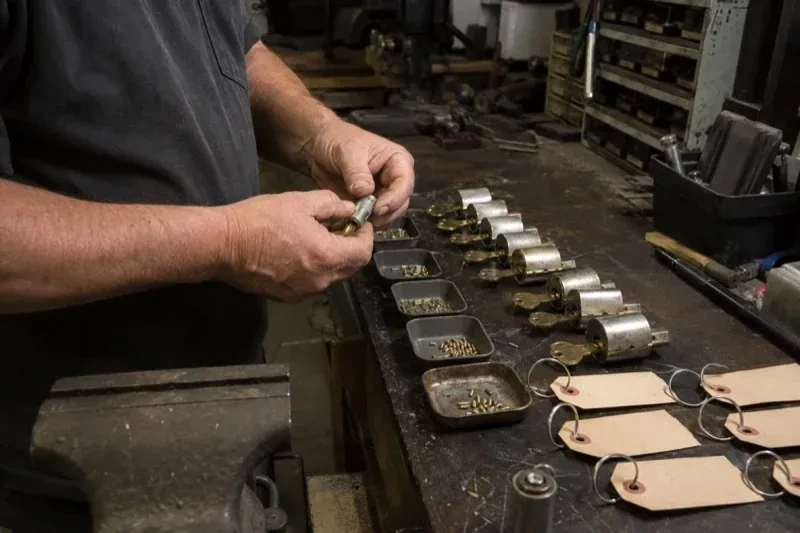
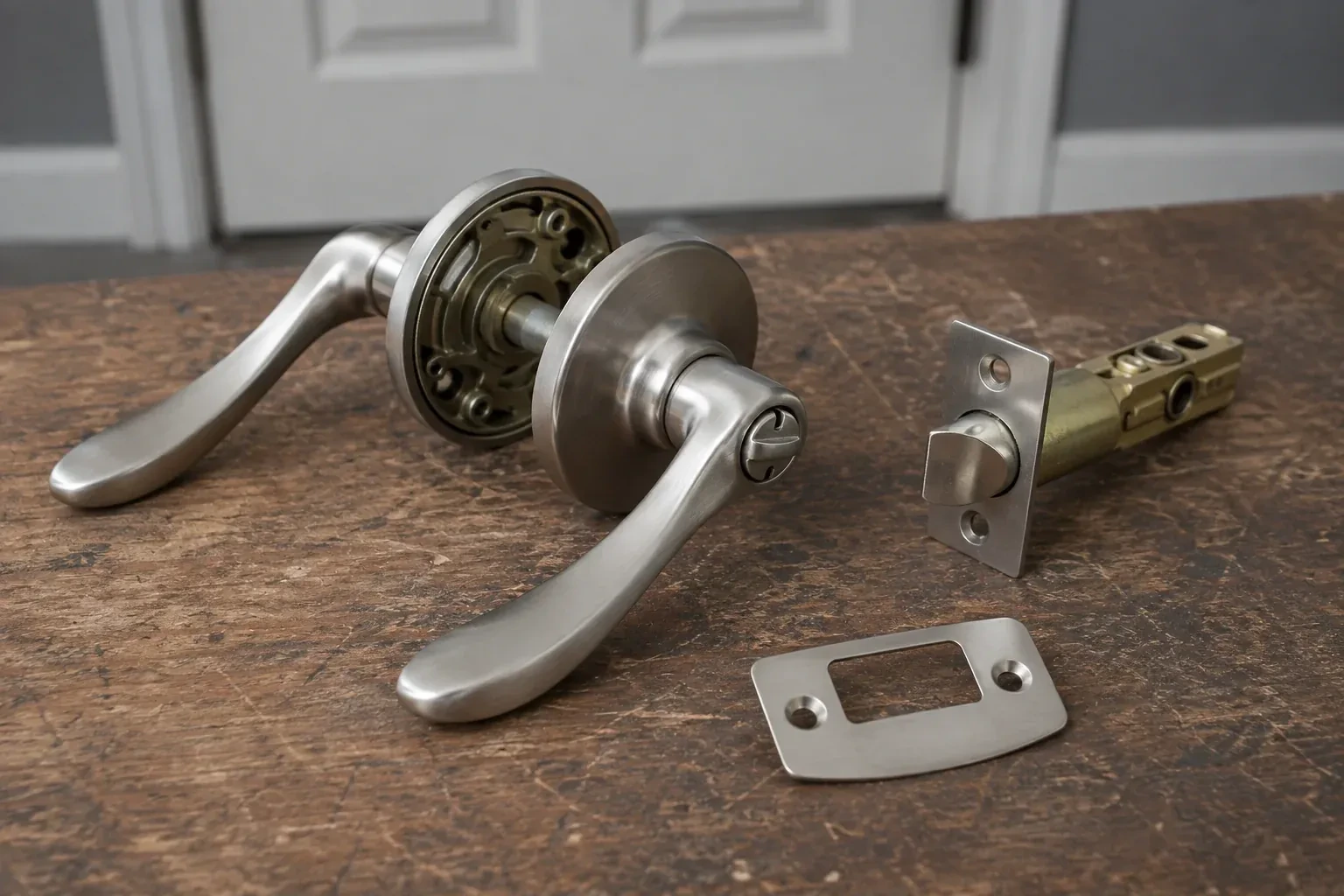
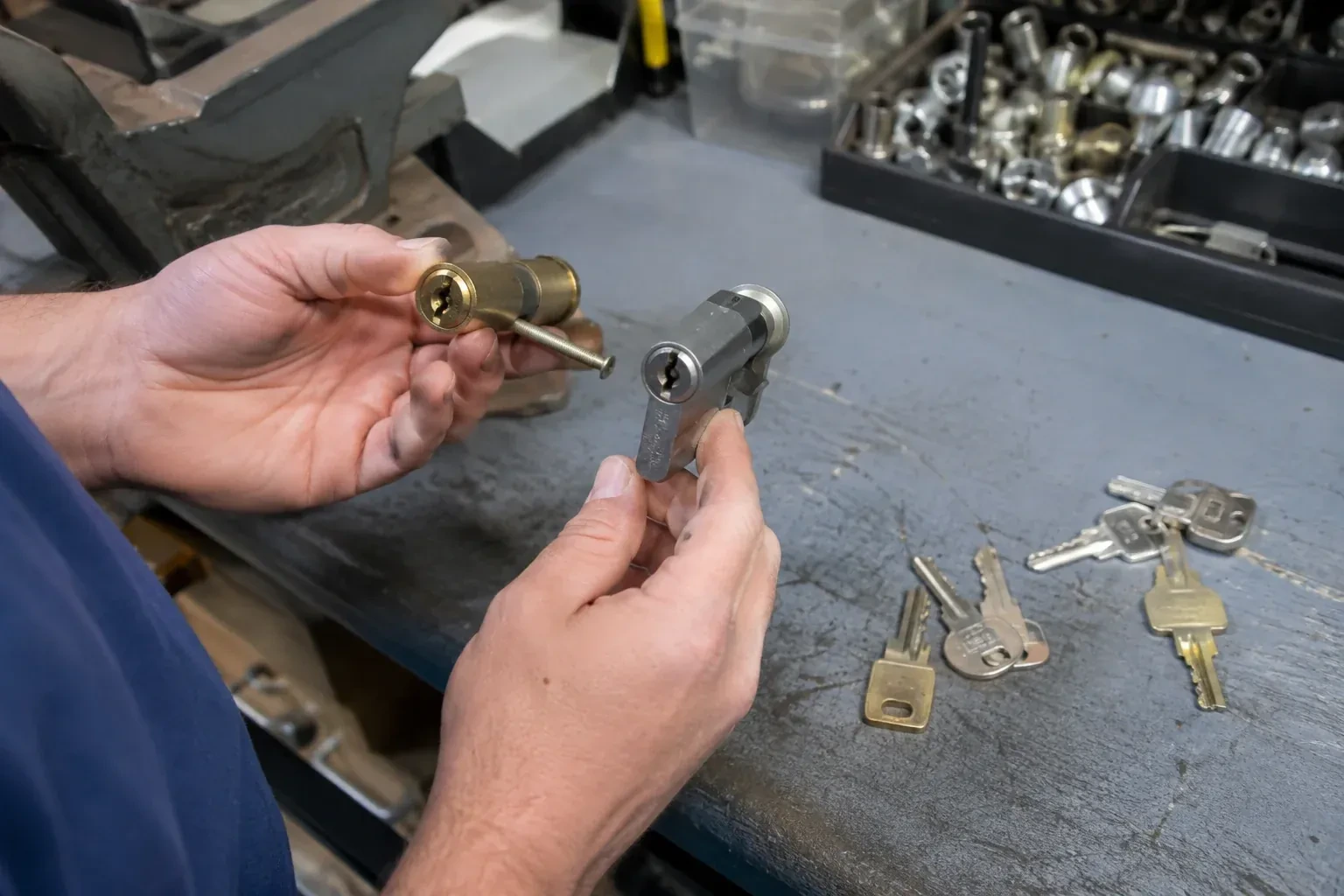
Rekeying keeps your existing deadbolt or handle set and gives it a new key, commonly by changing the pins inside, though some cylinders reset a different way. Replacing removes the whole lock or cylinder and fits new hardware. Rekeying suits locks that are in good condition and simply need a fresh key. Replacement is the better call for hardware that is worn or damaged, built to a low grade, on a keyway the other doors cannot share, or due for a change of style or a keypad.
What should I have ready before the locksmith arrives?
It helps to know which gate or door is affected, roughly how old the lock or closer is, and what exactly is happening: dragging, slamming, refusing a key, or a buzzer that stopped releasing the door. If the entry is shared, a rough idea of how many households or units currently need a working key speeds up the visit considerably. For a building entry, having contact information for a property manager or condo board on hand is useful if a decision needs their sign-off.
What if my mailbox key snapped off inside the lock?
The broken piece is removed first, using extraction tools that grip and draw it out rather than push it further in, and then the lock is opened the usual way. A key rarely snaps in a lock that is otherwise healthy, so the old cylinder is checked afterward, and if wear caused the break, replacement rather than a repeated repair is the sensible next step.
What kind of floor can a safe be anchored to?
Solid concrete is the most straightforward surface, taking a masonry anchor bolt directly. A wood subfloor works too, provided the anchoring reaches into the floor joists beneath the surface layer rather than just the plywood or the flooring on top. Tile is the awkward case, since a bolt through it tends to crack the surrounding tiles, and an alternative anchoring point or a different spot in the room is usually the better route there.
What is the difference between rekeying a business and replacing its locks?
Rekeying keeps every lock on the door and changes only the pins inside the cylinder, so a new key works and the old ones stop. Replacing swaps the hardware itself. Commercial cylinders are made to be repinned many times, so rekeying suits any lock in sound condition and leaves the levers, trim and door untouched. Replacement is chosen door by door for cylinders that are worn, corroded or too light for what they protect.
How do you decide how many sub-master levels a business actually needs?
The number follows the organization, not a preference for tidy diagrams. Genuinely distinct groups, such as separate departments or floors with different access needs, each justify a level; access differences that exist only on paper usually do not. A hierarchy with more levels than the business uses in practice is harder to administer without making anyone's day-to-day access meaningfully better.
What should I bring to the appointment?
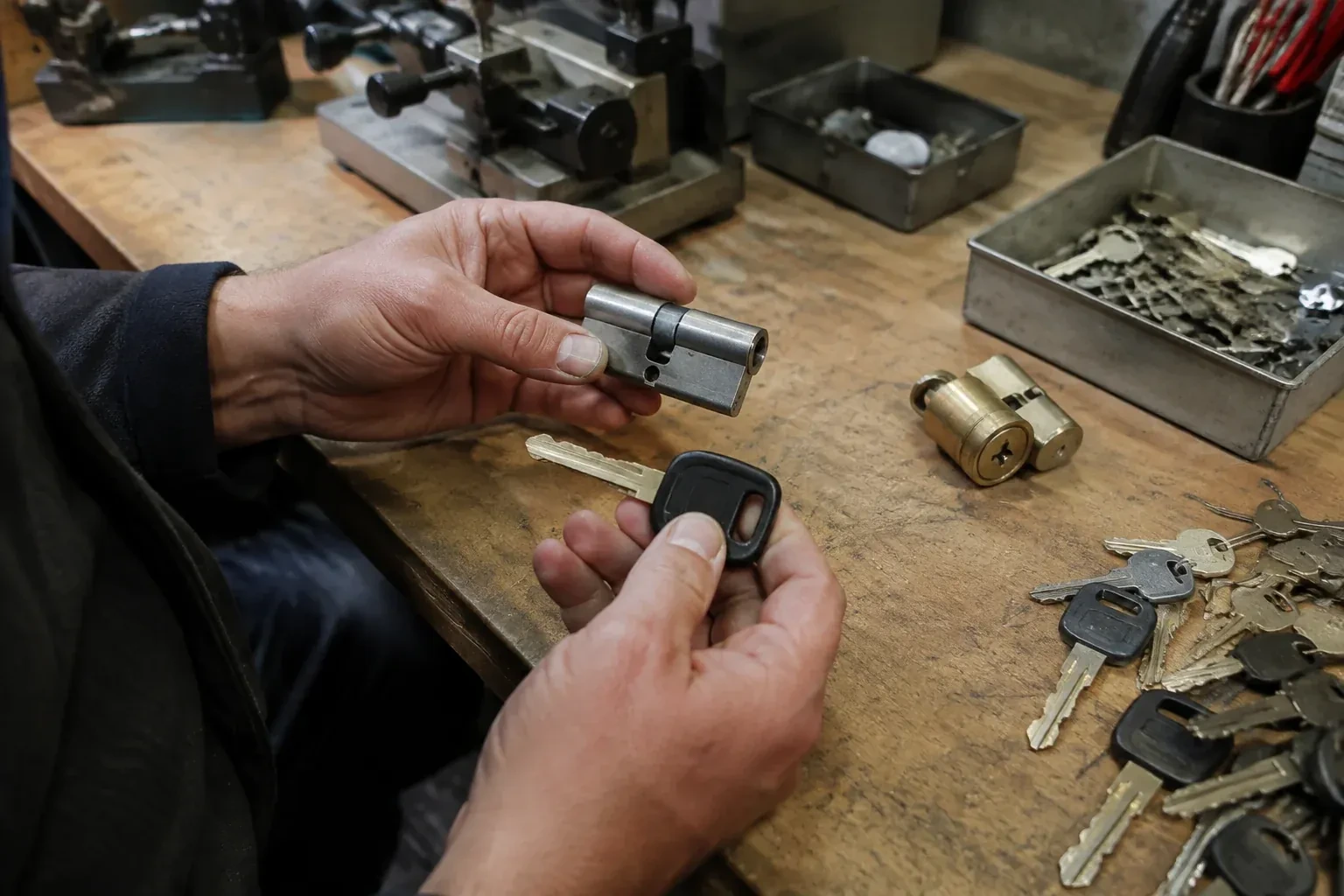
Bring the vehicle, its existing key, photo identification, and something that ties you to the vehicle: registration, or a document showing you are authorized to hold a key if the car belongs to someone else, such as an employer or a family member. Knowing the VIN in advance, printed or photographed from the door jamb, also helps the locksmith confirm the exact key system before arriving.
Request a visit
Landlords and property managers in Toronto get a partner who understands turnover. We rekey between tenants, keep the unit keys under one master so you carry a single ring, fit hardware that survives heavy use, and note what was done on each door. When a tenant loses a key at an awkward hour, we already know the building.