Lockouts · Don Mills
Seized & Jammed Lock Opening in Don Mills
Every time you pull the key out of the side door it comes away gritty.
In plain words
On storefronts, offices and older houses the hardware is often a mortise lock with a lever, and the jam is frequently inside the case, not the cylinder. A lever that swings without retracting the latch can point to a broken spring, a worn hub, or another fault in the drive path; a key that stops halfway can point to a bent spindle, an old case packed with dust, or a problem in the cylinder itself. Seized and jammed lock opening for this hardware means getting people through the door, then opening the case, cleaning the contact points, and fitting the part that gave up.
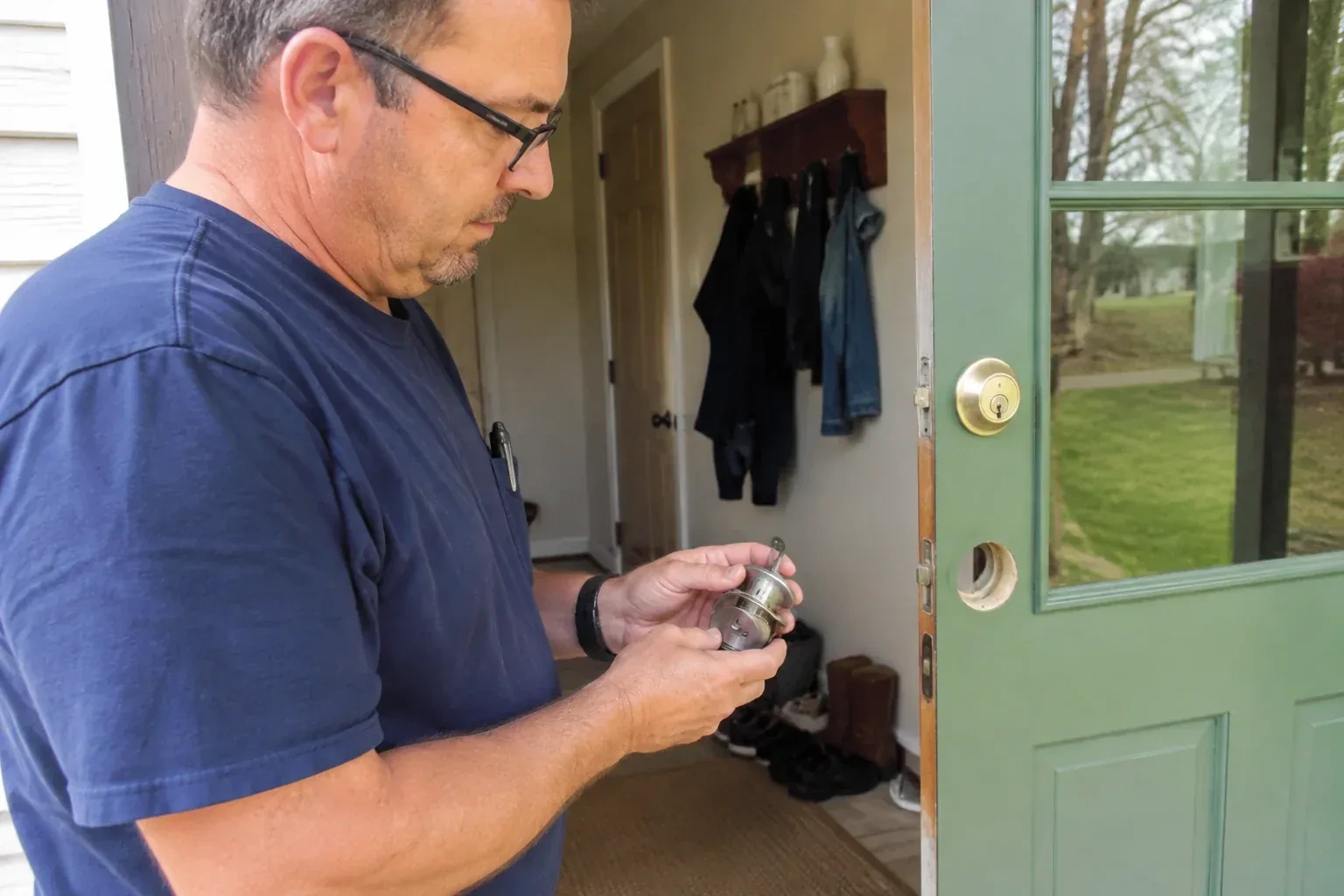
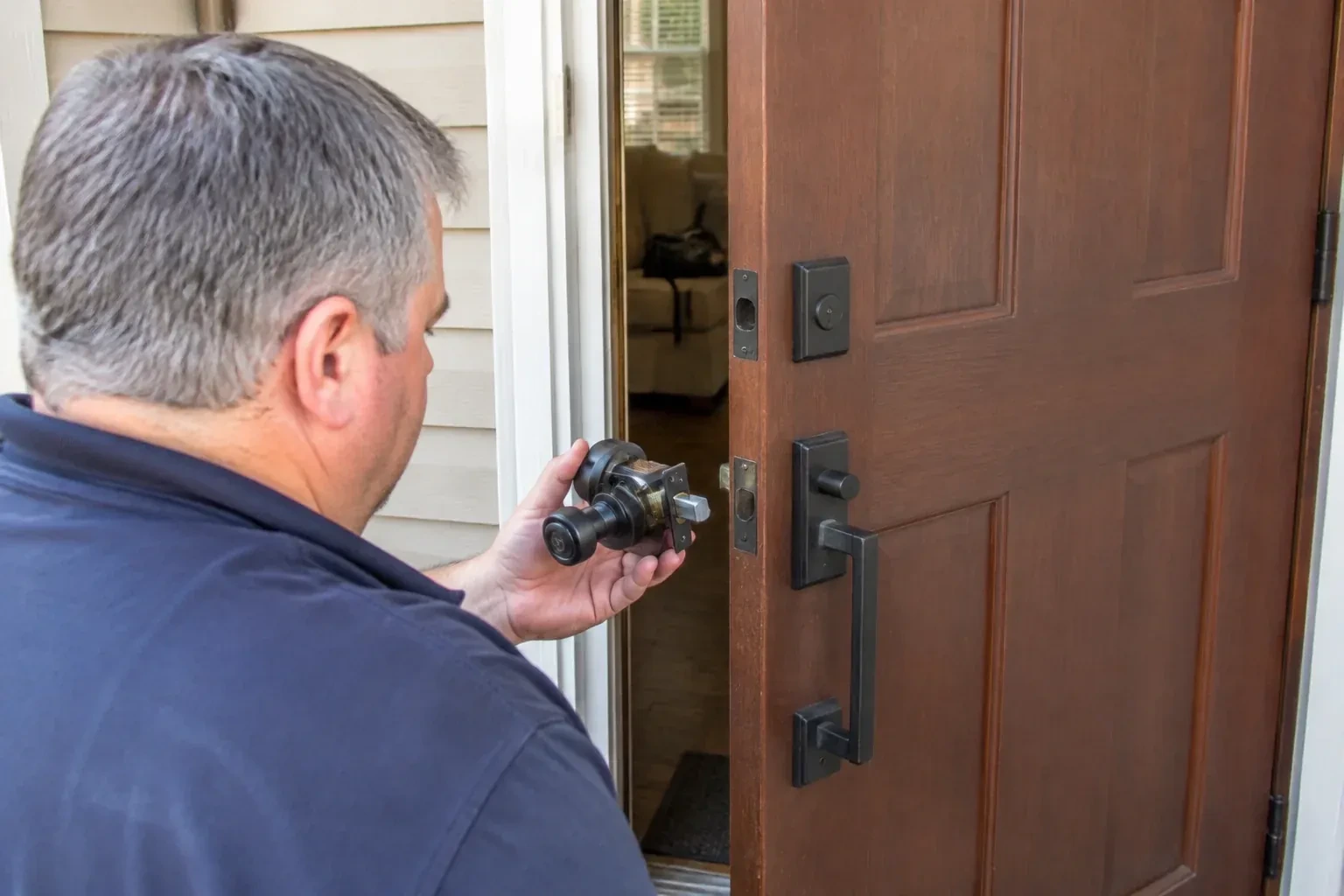
How the visit goesThe shop's lever handle goes down as usual, but the latch inside the mortise case never pulls back. Staff are waiting on the sidewalk with their coffees, the door is locked, and the handle is simply moving air.
Seized & Jammed Lock Opening
How the visit goes
Strike plate, bolt pocket and seal
The frame side gets as much attention as the door side. The locksmith looks at where the bolt meets the strike plate: scuff marks on the plate's edge, a bolt pocket shallower than the roughly twenty-five millimetres a deadbolt needs, paint or filler that has crept into the pocket, and weatherstripping thick enough to hold the door proud of the frame. A dab of chalk on the bolt end shows exactly where it lands. These findings explain a lock that works with the door open and jams when it is shut, and they point to a chisel, a screwdriver and a strike adjustment rather than to anything inside the cylinder.
Stripping and rebuilding the cylinder on the bench
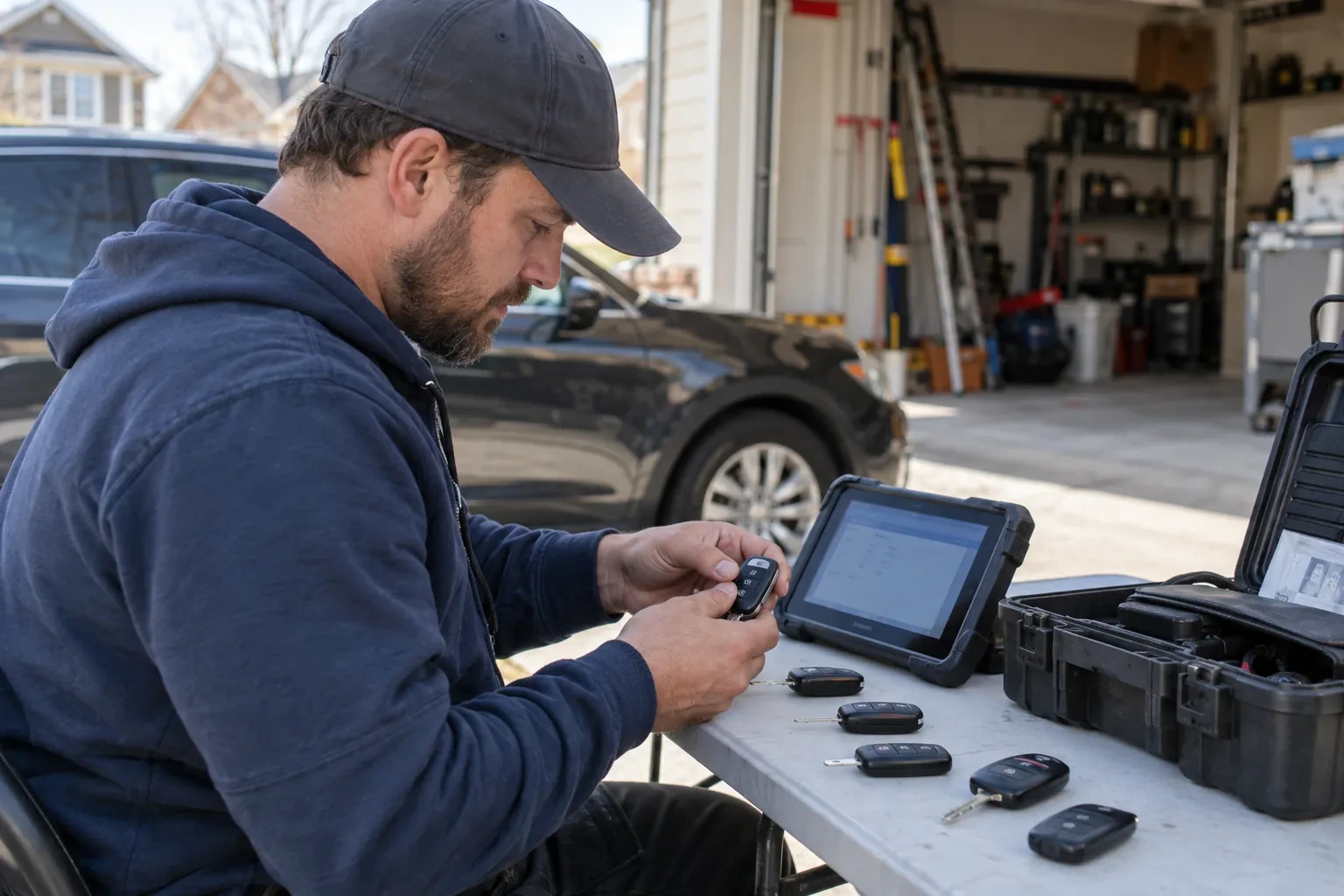
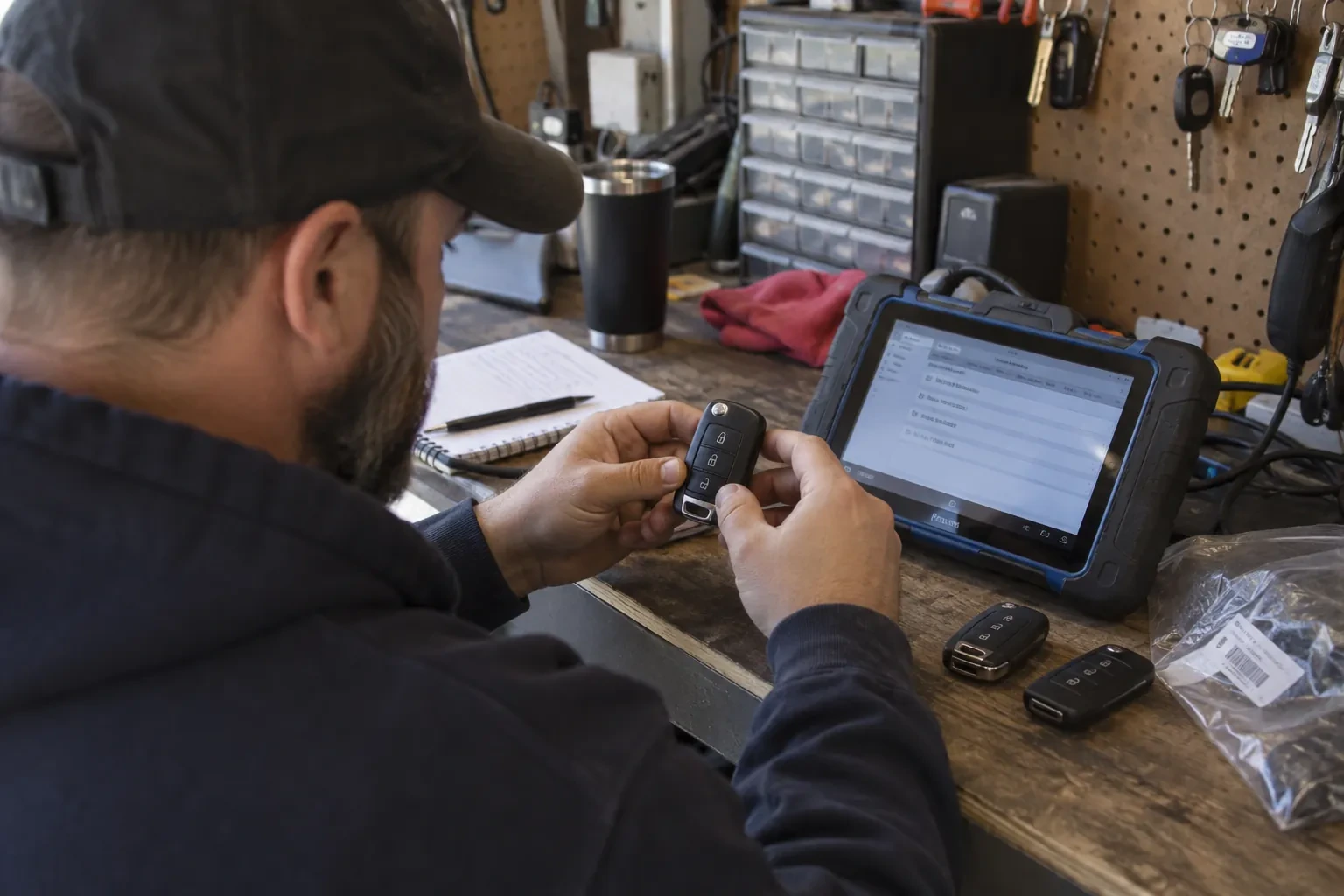
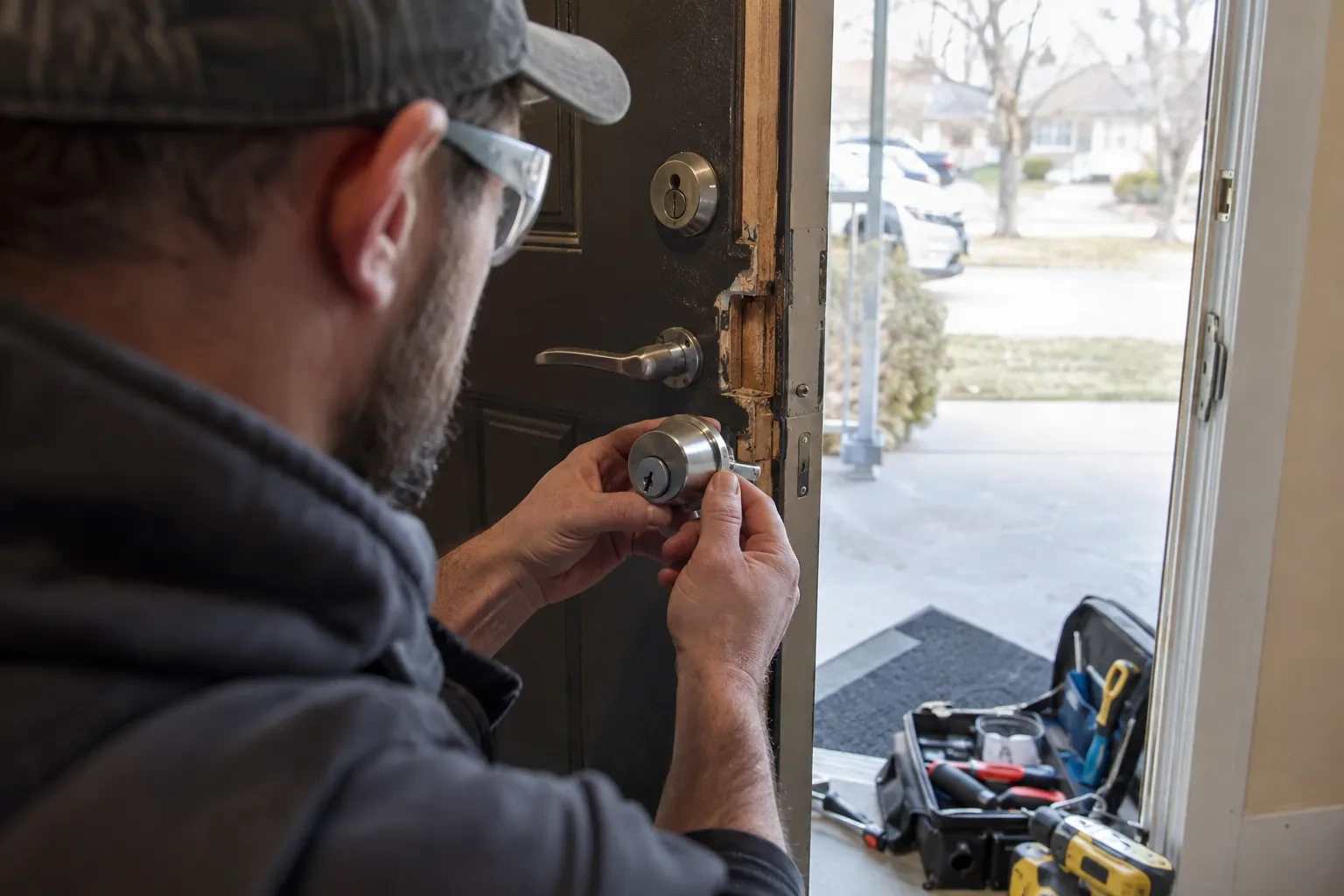
With access restored, a cylinder that seized gets a proper service. The locksmith removes it from the door, slides the plug out with a follower so the top pins and springs stay put, and lays out the pin stacks. Everything is cleaned, worn bottom pins and tired springs are replaced, and any burr on the plug is dressed. The plug is reassembled to the same combination so your existing keys keep working, then lubricated with the product that cylinder's maker specifies and cycled until it turns with a fingertip. If the key that jammed was worn, a fresh one is cut from the code rather than from that key.
What was done, in writing, with the old parts
You are told plainly which family the jam belonged to and what was done: cylinder cleaned and rebuilt, tailpiece replaced, strike moved, hinges shimmed, mortise spring fitted, or cylinder replaced and keyed to your existing key. Replaced parts are handed over so you can see the wear or the break for yourself. For a rental, tenants and landlords both benefit from that note, since it records that the lock was serviced rather than changed. For an owner it goes in the home file beside the keyway and key code, which makes the next key cut or the next service a shorter conversation.
Seized & Jammed Lock Opening
In the van
Replacement cylinder
Long hinge screws
Key blanks and code cutter
Strike plate and hinge shims
Penetrating lubricant
Seized & Jammed Lock Opening
What affects the quote
Inside door or outside door
A jammed bedroom or office privacy lock is generally a lighter job than a weather-exposed exterior deadbolt, and a mortise lock on an interior door sits between the two.
Cutting fresh keys
If a worn key was part of the trouble, keys cut from the code or a fresh master are counted individually, so say how many the household or staff need.
Ice and salt on the day
A cylinder frozen solid or crusted with salt needs thawing, flushing and drying before it can even be diagnosed, and a winter call is quoted with that time in mind.
What to have ready
- Is anyone inside, and can the door be opened from that side?
- Is there another door you can use in the meantime?
- What kind of lock is it: deadbolt, knob, lever, mortise or keypad?
Seized & Jammed Lock Opening: questions
QuestionsHow do I stop this from happening again?
Three habits cover most of it. Lubricate the cylinder with a dry lock product twice a year and keep oils out of it. Check that the door locks with no pressure on it each spring and fall, snugging hinge and strike screws when it starts to drag. Keep a lock de-icer handy and fit a keyhole cover on exposed doors. And act on the first stiff turn, because a lock that still turns is a smaller job than one that has stopped.
My key turns all the way round but the bolt stays put. What has broken?
The key and cylinder are doing their job; the bar behind the cylinder that drives the bolt, called the tailpiece or cam, has broken, slipped or twisted out of engagement. It is a small part. The locksmith retracts the bolt through the mechanism or removes the cylinder to reach it, then fits a tailpiece of the right length and profile. Your cylinder and keys are unchanged afterwards.
What lubricant should I use afterwards, and how often?
Whatever lubricant and interval the cylinder's manufacturer specifies, applied with a few turns of the key. Stay with that one product, because mixing different lubricants can make a paste. Oil, hinge silicone and general-purpose penetrating sprays are kept out of the keyway. Lock manufacturers describe cleaning the cylinder with an electronic contact cleaner before lubricating, and that is the order the locksmith follows on a service too.
Related services
- Business Lockout ServiceYou signed the lease on the unit last week and the landlord handed over possession, but the previous tenant's locks are still on both doors and no keys came with them.
- Broken Key ExtractionIn the parking lot your car key snapped in the driver's door.
- Break-In Damage Lock RepairSomeone smashed the little window beside the door, reached in and turned the thumb-turn.