Change or rekey · Don Mills
Lock Rekeying in Don Mills
Your basement tenant has given notice, and a new one arrives on the first.
In plain words
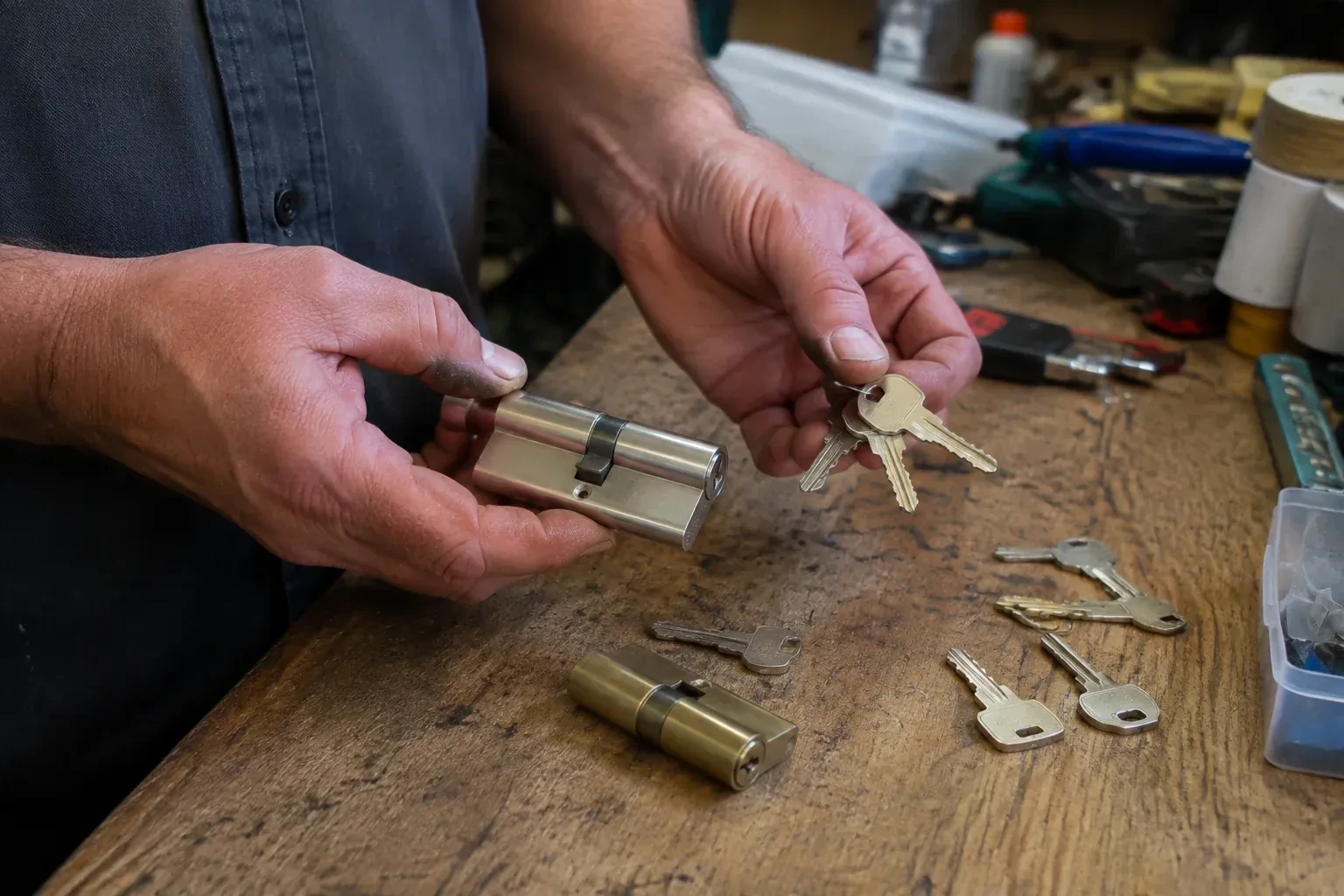
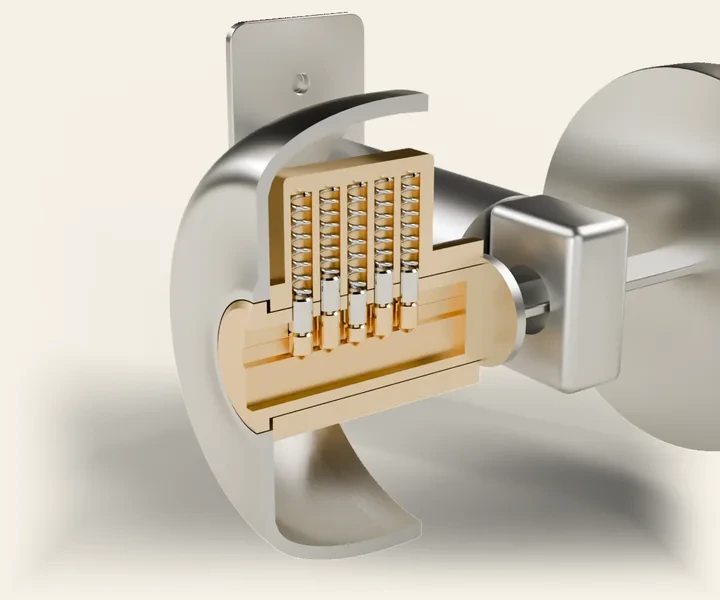
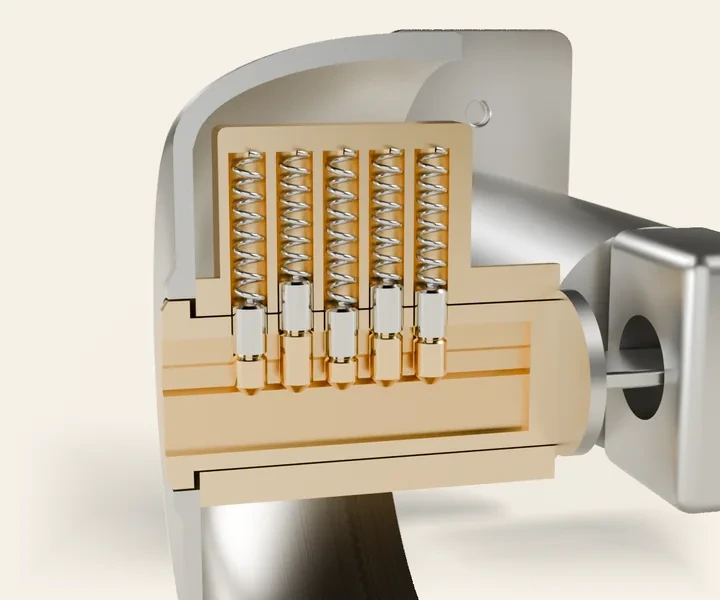
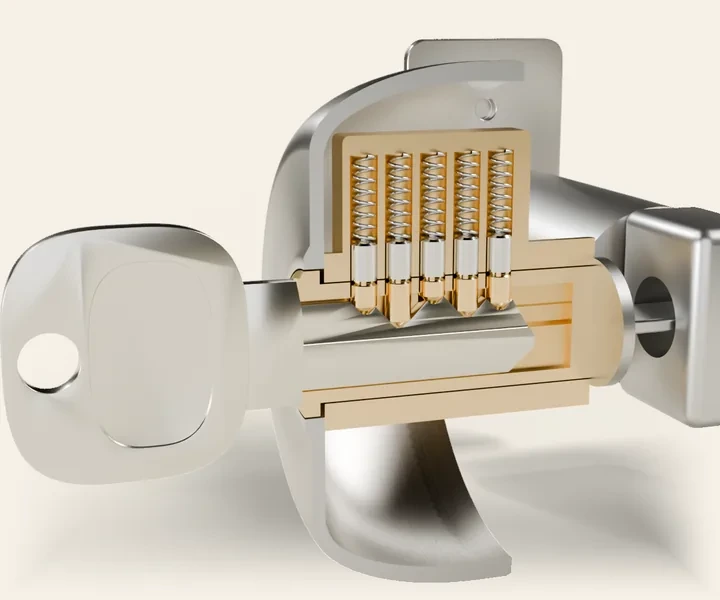
Rekeying is a change made inside the lock rather than to the lock itself. Many keyed cylinders hold a row of small pins that have to sit at exactly the right heights before the plug will turn, set by the cuts on your key, though some residential cylinders use a side-locking bar instead of pins. A locksmith slides the plug out, removes the pins, and loads a new set matched to a freshly cut key. Reassembled, the lock looks and feels exactly as it did, except that the new key turns it and every key cut before today does not. Your hardware, finish and door stay as they were.
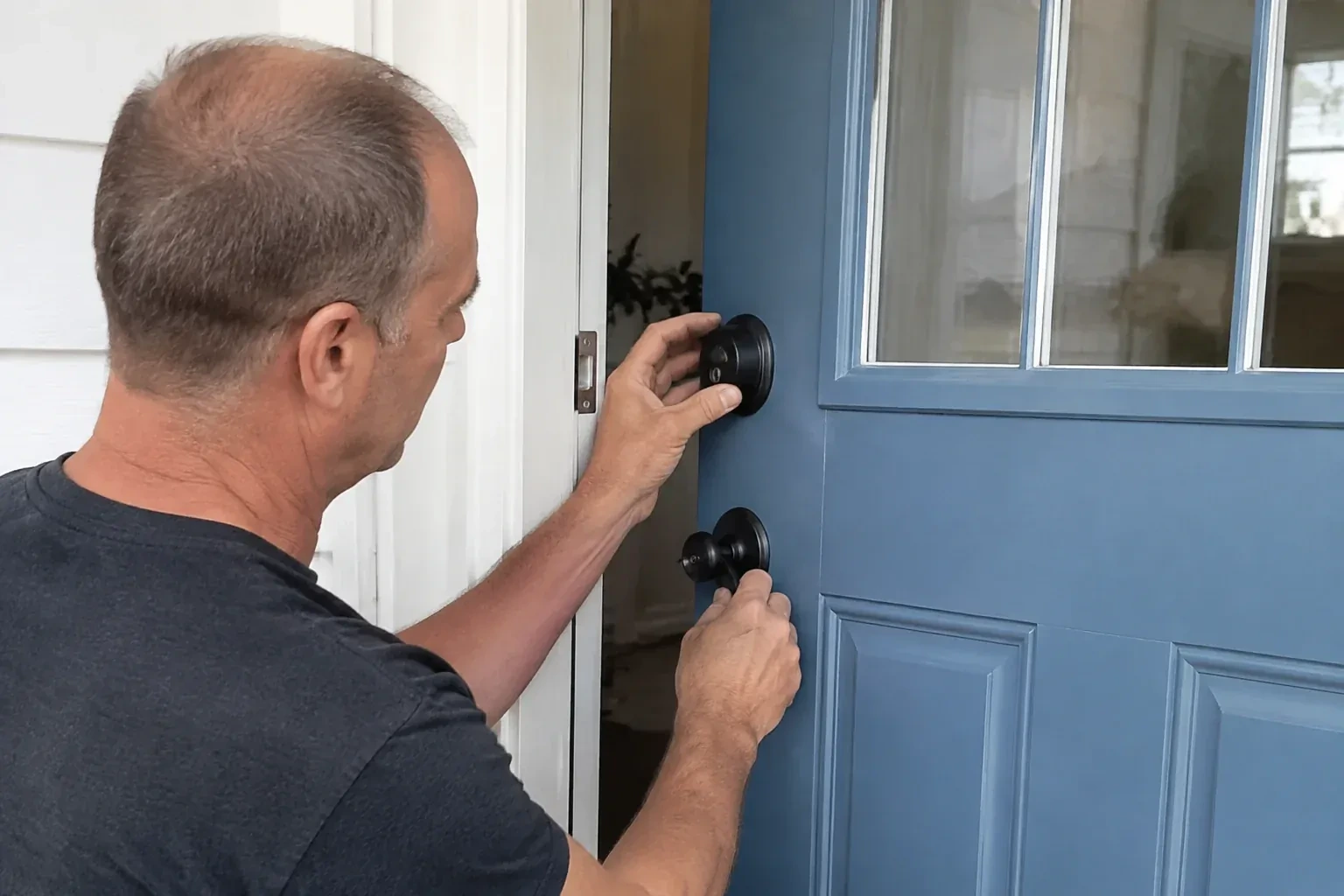
How the visit goesYour basement tenant has given notice, and a new one arrives on the first. The lock on the separate entrance works perfectly well. You simply want a fresh key for the incoming tenant and for the old one to be retired.
Inside the lock
What a rekey changes
01
The lock you already have
02
Inside the cylinder
03
Pins, springs and the shear line
04
A new key, new pins
Lock Rekeying
How the visit goes
The condition of every cylinder
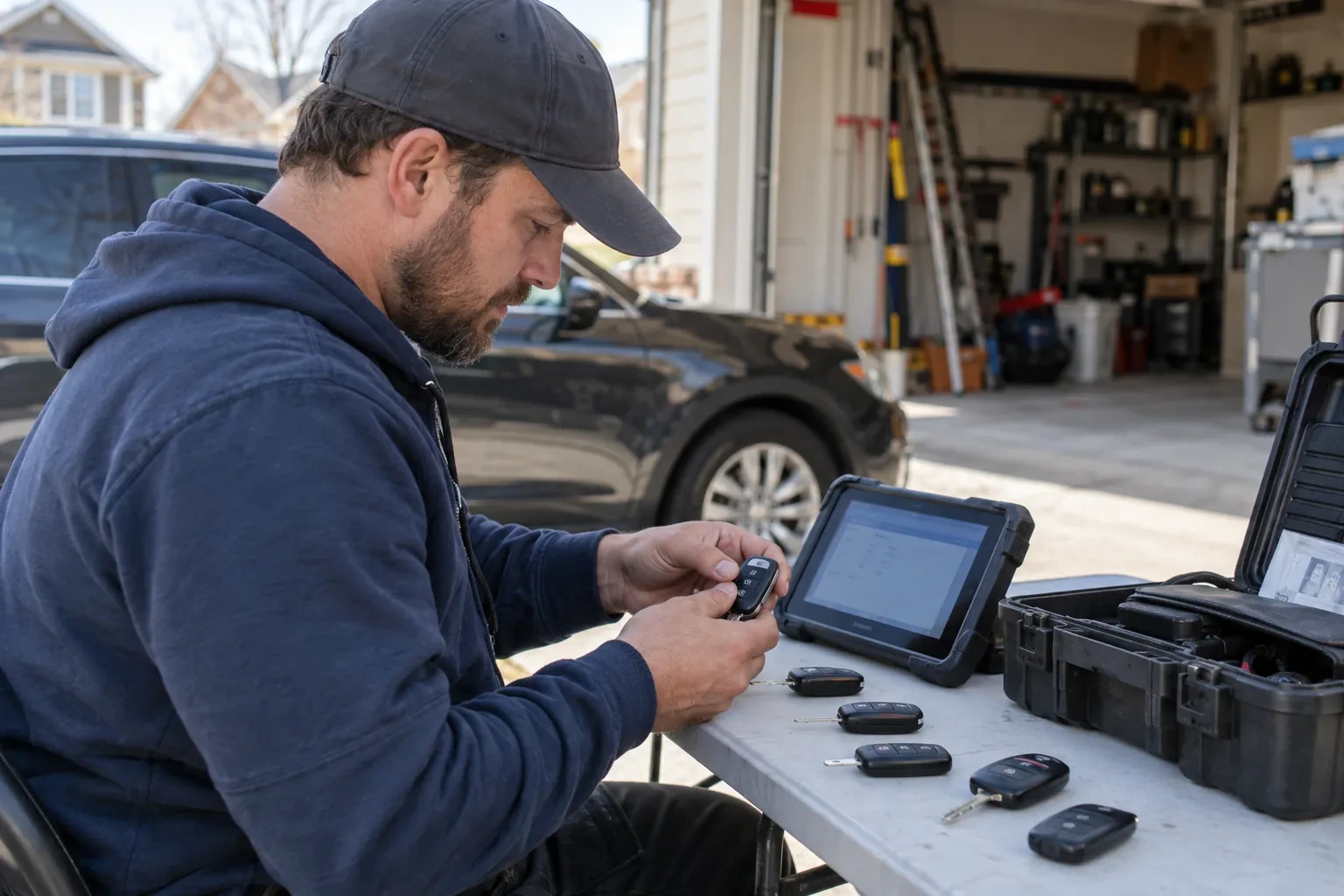
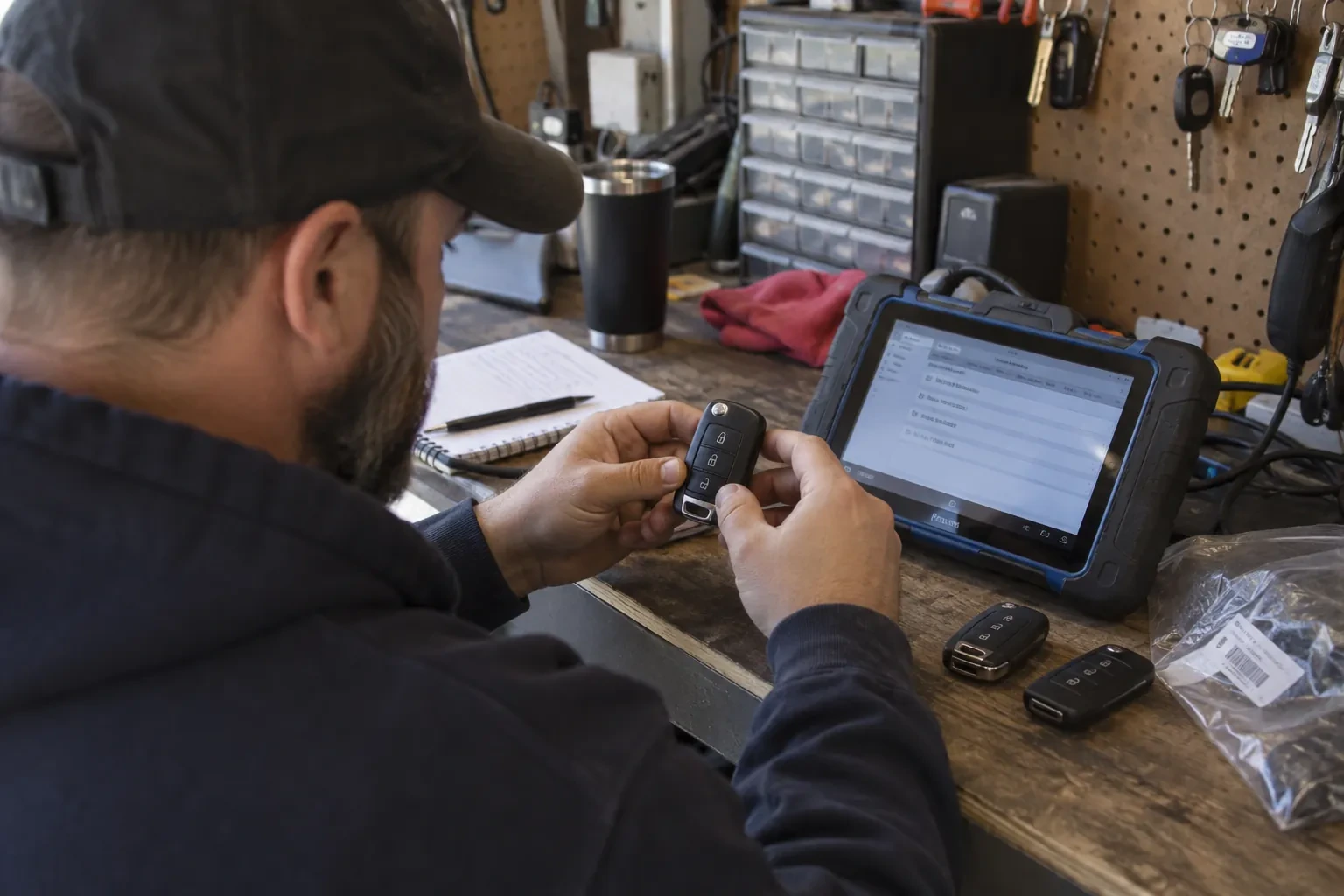
A cylinder about to be pinned to a new key should be worth pinning. The locksmith turns the existing key in each lock and feels for a plug that drags, soft springs, a wobbling cam or a keyway packed with grit and old oil. A cylinder in good order is rekeyed as it is. A worn one is cleaned and given fresh springs while it is apart, and one that has truly worn out is pointed out so you can choose a replacement rather than have new pins dropped into a tired lock. A bolt that binds against its strike gets noticed here too, so the strike can be adjusted while the locksmith is at the door.
Sliding the plug and changing the pins
With the cylinder in hand, the locksmith removes the cam or tailpiece from the back, inserts the existing key and turns the plug slightly so the top pins clear, then pushes a plug follower in behind the plug as it slides out. The follower holds the top pins and springs in the housing so nothing springs loose. The plug now sits on the bench with its row of bottom pins exposed, and those pins are tipped out. This is the heart of rekeying a pin-tumbler cylinder: the pins that decided which key worked are gone, and the plug is ready to receive a set that matches a key nobody has ever carried.
The old keys are just metal now
Whatever was out in the world before today, the copy the contractor kept, the key the former roommate never returned, the ring that went missing on the bus, none of it turns a lock on your property any more. That is the whole point of the visit, and it is worth saying plainly because people sometimes keep worrying afterwards. If you still hold old keys, they can go in the metal recycling. There is no need to change the door hardware or your routine, but any keypad code known to someone whose access is ending should be deleted or changed separately, since rekeying the mechanical cylinder does not touch those codes.
Lock Rekeying
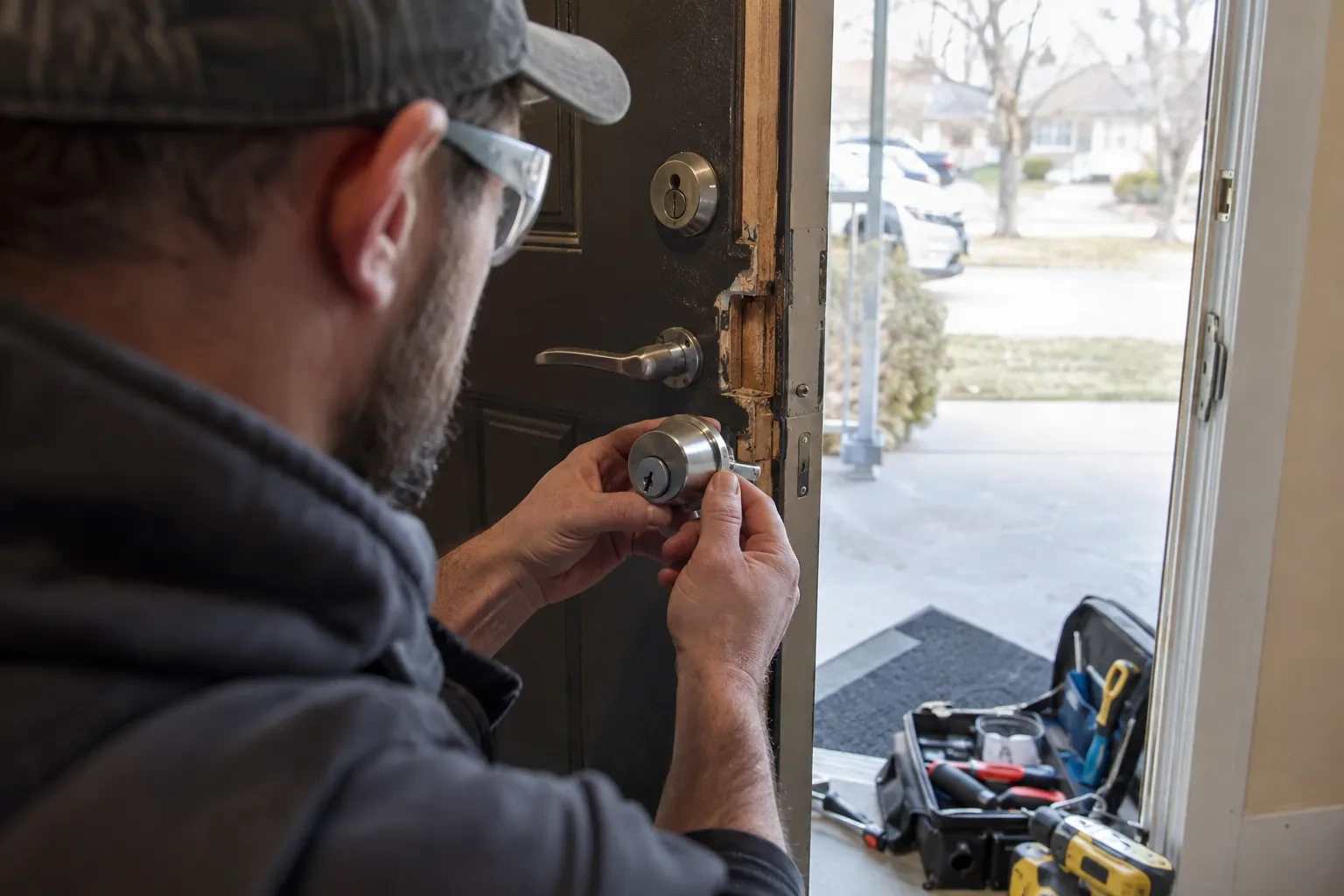
In the van
Replacement cylinder for odd keyways
Plug follower
Reset tool for user-rekeyable cylinders
Graded bottom pin kit
Code cutter or key duplicator
Lock Rekeying
What affects the quote
Upgrades chosen during the visit
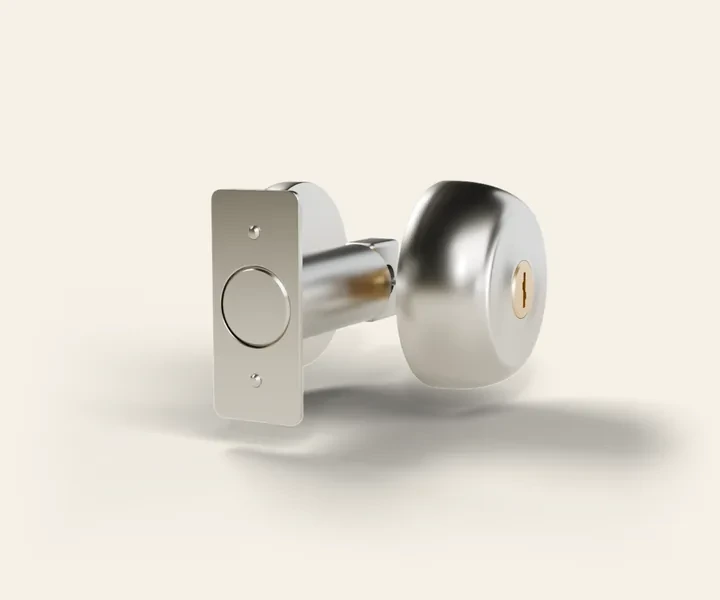
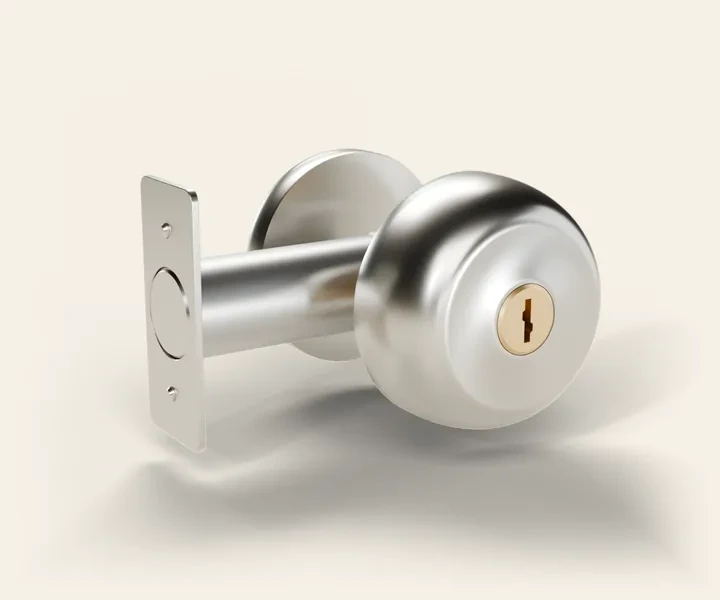
Some people take the opportunity to replace a double-cylinder deadbolt with a thumb-turn model, add a reinforced strike or move to a heavier deadbolt. None of it is needed to rekey; each is a separate line.
Mailboxes, padlocks and cabinets
Small cam locks on mailboxes and cabinets are usually replaced rather than repinned, and padlocks vary in whether they can join the house key; each of these is priced as its own item.
No working key for a door
When a cylinder must be shimmed, decoded or picked open before it can be repinned because no key exists for it, that extra step is included in the quote for that door.
What to have ready
- Is there a shed, gate, mailbox or padlock you would like on the same key?
- Has a key gone missing, or is one still held by someone who has moved on?
- Do you own the home, rent it, or manage it for someone else?
Lock Rekeying: questions
QuestionsHow often should locks be rekeyed?
There is no calendar for it. What matters is who holds a key, not how many years have passed. Think about it when occupancy changes hands, when someone who had a key no longer needs one, or when a ring goes missing along with something that shows where you live. Between those moments a well-kept cylinder may need no scheduled care, and when it does, use whatever that cylinder's maker specifies. With the doors already on one recorded system, any repeat is a short piece of work.
How is rekeying different from replacing the lock?
Rekeying keeps your existing deadbolt or handle set and gives it a new key, commonly by changing the pins inside, though some cylinders reset a different way. Replacing removes the whole lock or cylinder and fits new hardware. Rekeying suits locks that are in good condition and simply need a fresh key. Replacement is the better call for hardware that is worn or damaged, built to a low grade, on a keyway the other doors cannot share, or due for a change of style or a keypad.
Will my door hardware look any different afterwards?
No. The work happens inside the cylinder, so the bolt, handle, finish and strike plate stay exactly as they are, and nothing new is cut into the door. The only visible change is the key in your hand. If a cylinder does have to be replaced, because its keyway is incompatible with the others or it has worn out, the locksmith picks one in a matching finish so the door keeps a consistent look.
Related services
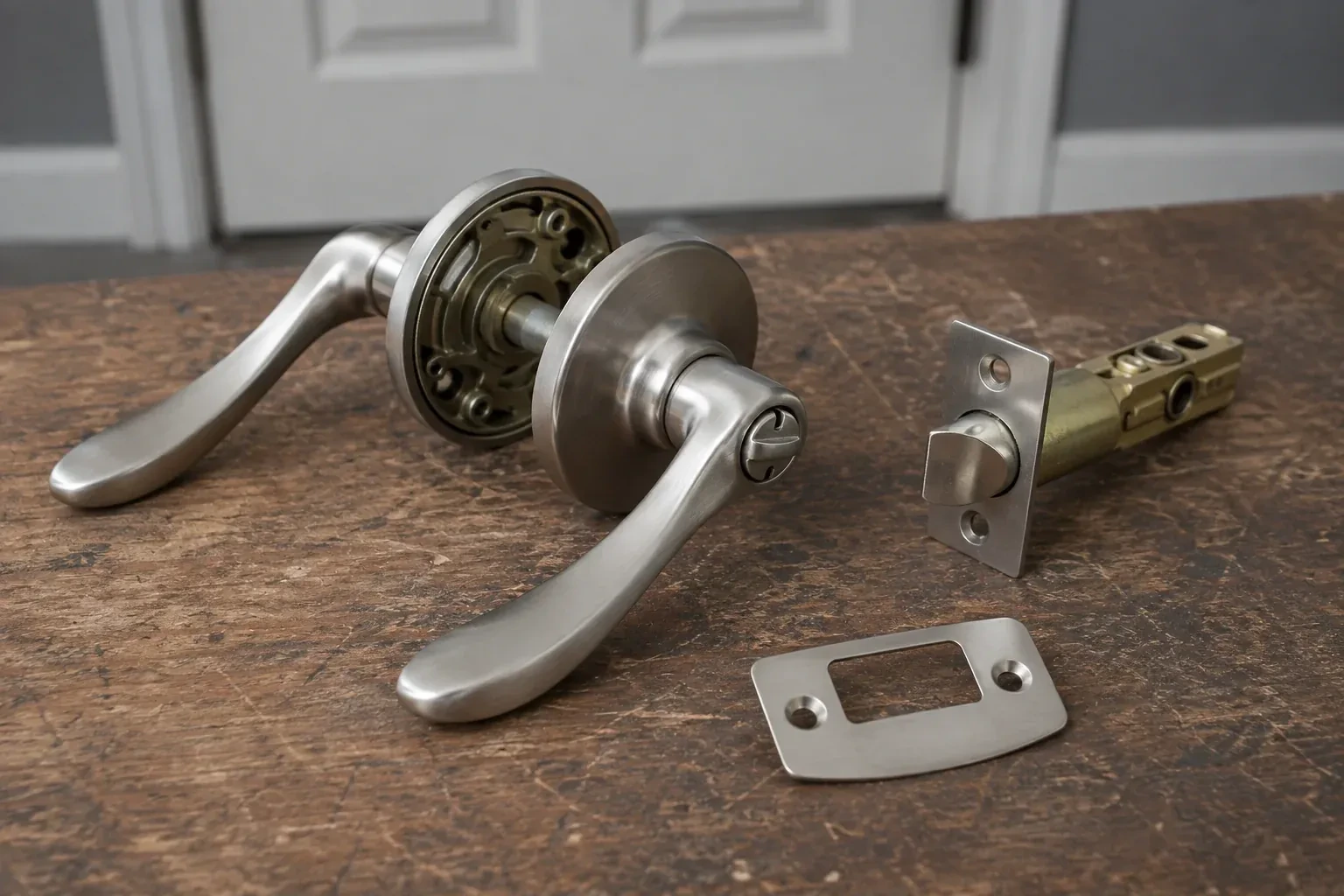
- Lock Replacement & UpgradeThe century home's original mortise lock takes a key the size of a spoon, sticks in humid weather and has worn its strike to a groove.
- Vintage Mortise Lock ServiceSomeone painted the door years ago without removing the hardware.
- Smart Lock InstallationYou have just taken possession of the house and the previous owners handed over a keypad deadbolt with a code nobody wrote down and an app account you cannot get into.